
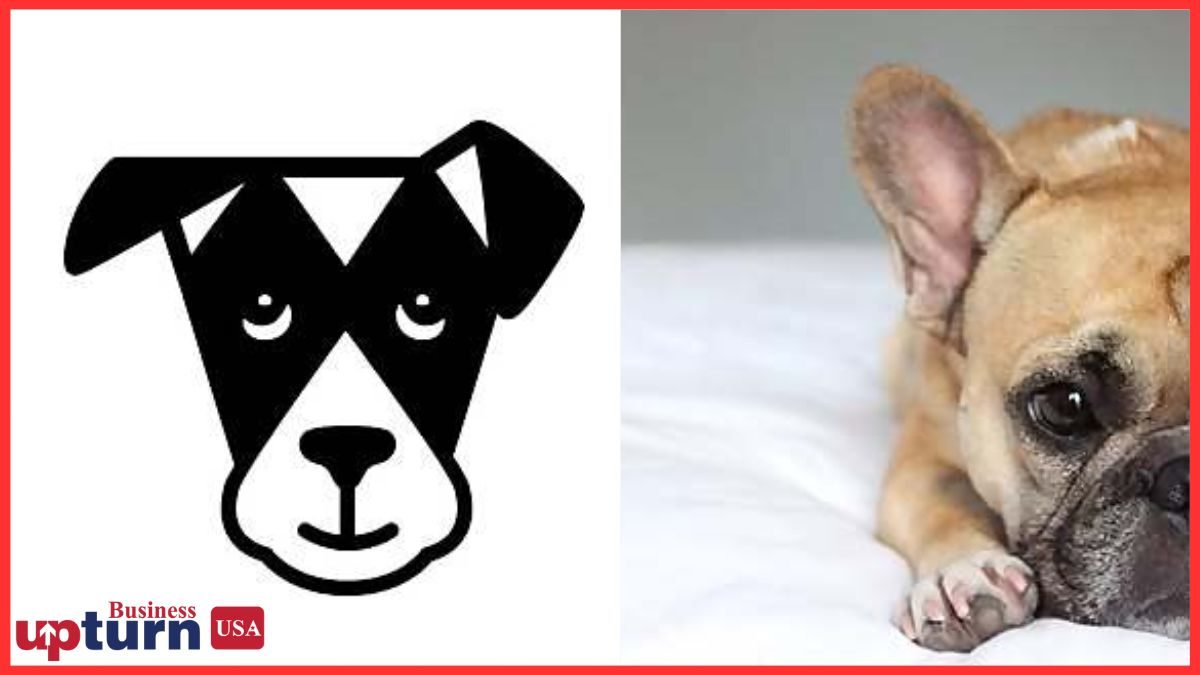
Pet influencers have turned furry charm and loyal audiences into full-blown businesses in the United States. Two standouts—The Dogist, a renowned dog photography brand, and Gus Gus In The City, the beloved French Bulldog influencer—show just how diverse pet influencer business models can be. While one thrives on visual storytelling and professional branding, the other builds a personality-driven lifestyle brand. This comparison dives deep into how each sustains revenue, what makes them unique, and what their strategies reveal about U.S. consumer behaviour.
The Dogist business model: Turning photography into a lifestyle brand
The Dogist, founded by photographer Elias Weiss Friedman in 2013, started as a simple Instagram project capturing dogs on the streets of New York. Over time, it evolved into a multimedia empire with multiple income streams. At its core, The Dogist is a photography-driven brand that sells not just images of dogs but a curated lifestyle celebrating canine companionship.
Income streams powering The Dogist
The Dogist generates revenue through several well-established channels. Book sales have been one of the earliest and strongest income sources, with photo books capturing heartwarming canine portraits appealing to dog lovers nationwide. Merchandise sales—such as apparel, prints, and dog accessories—extend the brand beyond social media and make it a household name in the U.S. pet community. Additionally, sponsorships and brand partnerships with pet-related companies give The Dogist a steady stream of advertising revenue. Collaborations often highlight premium pet foods, grooming products, and lifestyle items that align with its high-quality visual storytelling.
The Dogist also runs The Dogist Foundation, a nonprofit that advocates for rescue and working dogs. While this is philanthropic, it strengthens the brand image, creating more loyalty and increasing long-term value. Events, photo sessions, and digital content campaigns with companies form another pillar of its business model.
Gus Gus In The City income streams: A personality-driven model
Unlike The Dogist, Gus Gus In The City thrives on the charisma and relatability of a single dog—Gus Gus, a French Bulldog with a playful personality and a flair for entertaining content. This account exemplifies how pet influencers can become celebrity figures in their own right, generating income by putting a relatable, humorous, and lifestyle-oriented spin on pet content.
Monetisation strategies of Gus Gus In The City
Gus Gus’s revenue streams primarily come from sponsorships and collaborations. U.S. brands partner with Gus Gus for campaigns in fashion, food, travel, and even home décor, leveraging the dog’s strong emotional connection with followers. Sponsored posts are seamlessly integrated into the playful and lighthearted content, making them engaging rather than intrusive.
Merchandise is another income driver. Gus Gus-branded items, such as apparel, mugs, and accessories, allow fans to bring part of the influencer’s personality into their own lives. Event appearances also add to revenue, with Gus Gus attending meet-and-greets, pet expos, and charity fundraisers. Increasingly, Gus Gus has tapped into digital content monetisation, such as personalised shoutouts and behind-the-scenes exclusives, catering to superfans who want more than what’s on Instagram.
Branding approaches: Storytelling vs personality
The Dogist’s branding is rooted in storytelling. Every photo captures a narrative, often accompanied by a caption that mirrors the style of street photography mixed with a personal anecdote. The focus is on the universal bond between humans and dogs, which resonates broadly with U.S. audiences.
Gus Gus, on the other hand, is a brand built on personality. His Instagram is less about documenting dogs in general and more about crafting a persona that feels like a celebrity lifestyle influencer. Fans follow not just because Gus is cute but because his content feels humorous, relatable, and expressive of modern pet ownership in American cities.
Audience engagement and U.S. market strategies
The Dogist has a wide-reaching audience that includes everyone from casual dog lovers to professional trainers and rescue advocates. Its strategy is to tap into the universal appeal of dogs across demographics, making it highly marketable for U.S. pet brands that want broad exposure.
By contrast, Gus Gus In The City focuses on a more niche but highly loyal audience. Followers treat Gus like a personality they know, which results in higher engagement rates on sponsored content. This allows Gus Gus to charge premium rates for collaborations even with a smaller following compared to The Dogist.
Comparing sponsorship strategies
For The Dogist, sponsorships often take the form of large-scale partnerships with brands looking for premium storytelling and professional photography. These are polished campaigns designed for mass appeal.
Gus Gus In The City leans toward authentic, lifestyle-driven sponsorships. The campaigns feel more casual, integrated into everyday posts, and focus on relatability. This makes Gus Gus highly appealing to lifestyle and fashion brands that want to connect emotionally with consumers.
Merchandise and product diversification
The Dogist has developed a robust merchandise line, featuring apparel, prints, and accessories. Its book sales and collaborations with publishers set it apart as a multimedia brand. This diversification makes the business resilient, with revenue not solely dependent on social media algorithms.
Gus Gus’s merchandise strategy is more personality-driven, with fans purchasing items to feel closer to their favourite French Bulldog. While the range may be smaller than The Dogist’s, the products resonate deeply with Gus’s community, creating a strong emotional link.
Events, appearances, and offline presence
The Dogist has hosted photo exhibitions, book tours, and dog-related events across the U.S., strengthening its offline presence. These events not only create revenue but also build deeper brand loyalty.
Gus Gus also participates in events but focuses on meet-and-greets and pet expos, where fans can interact directly. These appearances build community and generate buzz that extends online.
The evolution of pet influencer revenue in the USA
Both The Dogist and Gus Gus reflect broader trends in how U.S. pet influencers monetise their platforms. Sponsorships remain core, but diversification—whether through merchandise, books, or events—ensures sustainability. The Dogist represents a media brand model, while Gus Gus embodies a personality-driven influencer model.
A fresh perspective: What pet influencers reveal about U.S. consumer behaviour
Looking at these business models reveals something bigger: pet influencers mirror the startup culture of the United States. The Dogist operates like a media company, scaling through diversification, professionalism, and philanthropy. Gus Gus mirrors the rise of micro-influencers, where relatability and community often outweigh sheer follower numbers.
This shows that U.S. consumers are not just buying products; they are buying stories and identities. Whether it’s the universal storytelling of The Dogist or the celebrity persona of Gus Gus, these business models reflect how Americans connect emotionally with brands.
Conclusion: The future of pet influencer business models in the USA
The Dogist and Gus Gus In The City showcase two successful but distinct approaches to monetising pet influence in the United States. One thrives on professional photography and storytelling, the other on personality-driven relatability. Together, they highlight the versatility and sustainability of pet influencer business models.
Looking ahead, pet influencers could evolve into full-fledged media empires, combining digital content, merchandise, events, and philanthropy. As U.S. consumer behaviour continues to value authenticity and storytelling, both The Dogist and Gus Gus are well-positioned to remain beloved brands in the ever-growing world of pet influence.
This article is intended solely for informational and editorial purposes. It does not constitute endorsement or promotion of any artificial intelligence technology. Business Upturn makes no representations or warranties regarding the accuracy, completeness, or reliability of the information provided.
