
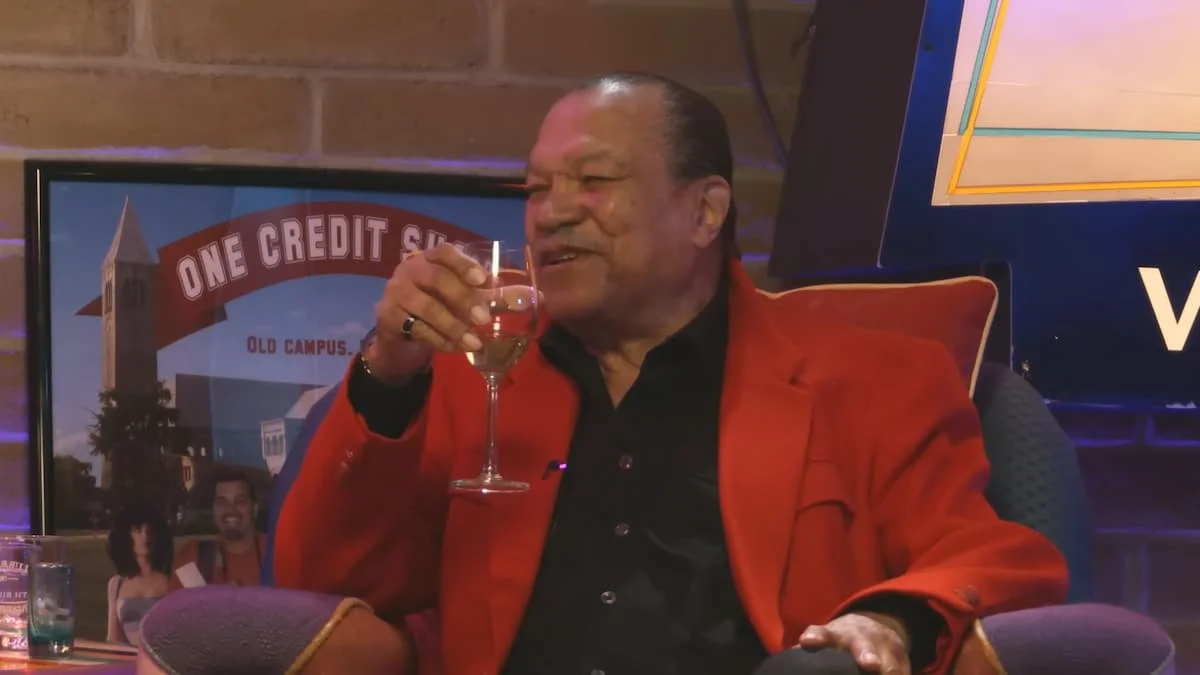
Recently, Billy Dee Williams, renowned for his iconic role in Star Wars and other notable performances, sparked controversy with his unconventional opinions on blackface during an appearance on Bill Maher’s “Club Random” podcast.
The conversation turned to Laurence Olivier’s portrayal of Othello in the 1965 adaptation, where Olivier controversially wore blackface for the role. While Maher expressed concerns about the problematic nature of Olivier’s portrayal, Williams took a surprising stance, finding humor in the depiction and suggesting that actors should have the freedom to portray any character, regardless of race.
Williams’ perspective challenges the conventional wisdom surrounding blackface, advocating for unrestricted artistic expression and dismissing concerns about racial sensitivity in casting decisions. His belief in granting actors complete creative freedom reflects a longstanding stance he has held throughout his career, as evidenced by interviews dating back to 1980.
Despite Maher’s attempt to contextualize Williams’ perspective within the historical constraints faced by black actors, Williams remains steadfast in his belief that race should not limit an actor’s artistic choices. He emphasizes the importance of open discussion rather than adopting a victim mentality regarding racial barriers in the entertainment industry.
While Williams’ views may be considered controversial and out of step with contemporary attitudes towards blackface, they highlight the complexity of navigating issues of race and representation in art. However, it remains to be seen whether Williams’ perspective will resonate with other actors or gain traction within the broader entertainment community.
