
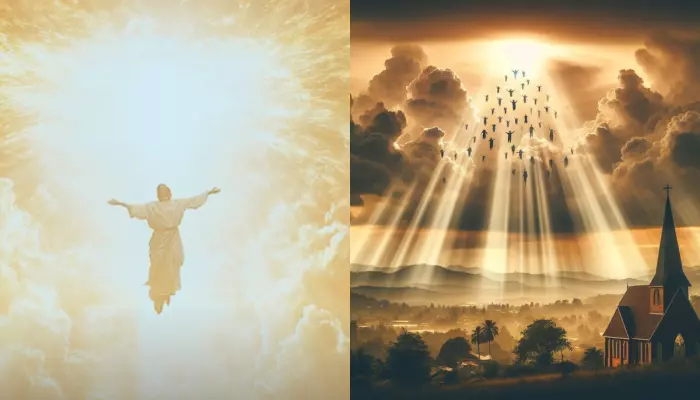
The Rapture trend, known as #RaptureTok, went viral after South African preacher Pastor Joshua Mhlakela claimed the world would end on September 23 or 24, 2025. He said he had a divine vision foretelling Jesus’ return and warned, “The rapture is upon us, whether you are ready or not.” His prophecy coincided with Rosh Hashanah, the Jewish New Year, which added to the buzz.
The claim sparked massive online attention. Some people sold their belongings, quit jobs, and stocked up on supplies, believing the Rapture was near. Others used the trend to create social media content or poke fun at the believers. When September 23 passed without incident, the internet divided. Some insisted the Rapture had started but was slow, while others called it a hoax. Users debated whether there had been any signs, with some quoting biblical passages like 1 Thessalonians 4:13-18, which describes believers being taken up to meet the Lord.
The Rapture itself is a belief in some Christian circles that true believers will be taken to heaven before or during a time of chaos on Earth. It is connected to the Second Coming of Jesus, although the word “Rapture” doesn’t appear in the Bible. The concept comes from passages in 1 Thessalonians and 1 Corinthians, describing a sudden transformation and ascension of believers. Mhlakela’s prediction gained attention partly because it coincided with Rosh Hashanah, also called the Feast of Trumpets, which some Christians link to biblical prophecy involving trumpets.
Even after the predicted date passed without incident, many believers remain convinced that the Rapture has begun, while skeptics continue to mock the prophecy online.
