
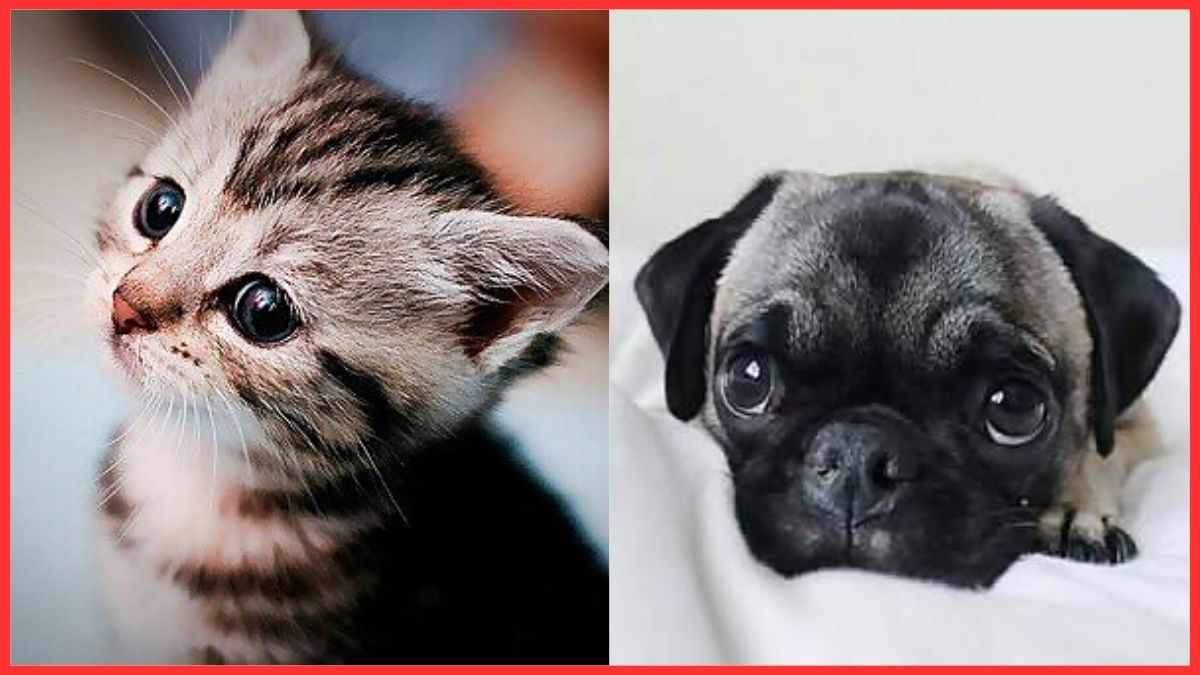
The American pet industry is booming, and within it, niche communities and influencers have carved out profitable spaces by blending passion with entrepreneurship. Two shining examples are Cat Lovers Club, a community-driven feline hub, and Pug Lovers Club, an influencer-led pug network. Both generate impressive revenue streams, but their models reflect different approaches to pet monetisation in the United States.
This article explores how Cat Lovers Club and Pug Lovers Club operate their business models, how they earn from their audiences, and why cats and pugs monetise differently in the American market. From subscriptions and merchandise to brand partnerships and events, we decode how these platforms thrive while riding broader trends in pet influencer marketing.
Revenue streams of Cat Lovers Club in the USA
Cat Lovers Club is an umbrella for feline enthusiasts – not tied to a single pet influencer but rather powered by community-driven engagement. Its model mirrors a lifestyle brand, tapping into the universal charm of cats.
The club monetises by combining digital-first strategies with offline community building, ensuring revenue from both scalable online sales and loyal, recurring contributions from members.
Merchandise sales
One of the strongest income sources for Cat Lovers Club in the USA is cat-themed merchandise. From quirky mugs and apparel with cat puns to scratching posts and accessories, these products blend utility with identity.
By licensing designs from local artists or collaborating with independent brands, the Club keeps costs manageable while offering fresh, limited-edition items that appeal to the emotional connection cat owners have with their pets.
Paid memberships
Unlike one-off purchases, paid memberships provide recurring revenue. Cat Lovers Club offers exclusive access to content, newsletters, discounts, and even personalised cat-care advice in exchange for monthly or annual fees.
These memberships are particularly attractive in the USA, where subscription culture is well established—Americans are used to subscribing to streaming platforms, magazines, and fan clubs. Pet lovers find value in belonging to a supportive feline-focused community.
Affiliate partnerships
Another key channel is affiliate marketing. Cat Lovers Club partners with pet food brands, insurance providers, and online marketplaces like Chewy or Amazon.
By recommending products through curated lists or “best for cats” blogs, they earn commission while helping members navigate the ever-expanding pet marketplace. This works especially well for USA audiences, who frequently rely on reviews before purchasing.
Community events
Offline engagement also plays a role. Cat Lovers Club hosts pop-up adoption drives, cat cafés tie-ups, and themed meet-ups in major American cities. These events bring in revenue through ticket sales, sponsorships, and merchandise booths.
The social element makes these events highly engaging, offering cat lovers more than just online connection—a sense of real-world belonging.
How Pug Lovers Club builds its business model
Pug Lovers Club, unlike Cat Lovers Club, is influencer-driven, often centred on a single pug or a small group of pug influencers who have amassed huge social media followings. Their income streams flow directly from their visibility and the personality-driven branding of their pets.
This model thrives on virality, relatability, and an influencer’s ability to package their pug’s quirks into marketable narratives that resonate with American audiences.
Sponsorships and brand collaborations
For Pug Lovers Club, the biggest revenue driver is brand sponsorships. Pet brands, fashion labels, and even tech companies collaborate with pug influencers for product placements, social media campaigns, and digital ads.
The influencer angle makes it easier to command higher fees—brands aren’t just buying ad space; they’re buying into the personality of the pug, whose audience often feels emotionally connected.
Social media monetisation
Unlike Cat Lovers Club, Pug Lovers Club is heavily reliant on platform-driven monetisation. With TikTok, Instagram Reels, and YouTube Shorts being central to their visibility, revenue comes from ad shares, creator funds, and tips from fans.
This reflects a broader USA trend where micro and niche influencers often earn directly from their ability to drive engagement.

Merchandise and personalised products
While merchandise is important, Pug Lovers Club leans towards personalised influencer-driven products—plushies resembling the pug, calendars with pug photos, and branded accessories. These items are more about fandom than general pet ownership, which makes them less scalable but highly profitable among dedicated followers.
Fan clubs and Patreon-style support
To diversify beyond brand sponsorships, many pug influencers launch fan clubs or Patreon accounts. Fans in the USA pay for behind-the-scenes access, birthday shout-outs from the pug, or even exclusive digital stickers.
This fan-driven support mirrors celebrity fan clubs, but with a softer, cuter appeal—turning pugs into micro-celebrities who can monetise loyalty directly.
Community-driven vs influencer-driven revenue strategies
The most striking difference between Cat Lovers Club and Pug Lovers Club lies in their strategic orientation.
-
Cat Lovers Club is community-first. Its success doesn’t hinge on one celebrity cat; it thrives on the collective culture of cat lovers across America.
-
Pug Lovers Club is personality-first, relying on the charisma of a specific pug influencer to maintain engagement and revenue streams.
This split reveals how niche communities and individual influencers can both sustain profitable models—but through very different pathways.
The psychology of cat vs pug monetisation in the USA
Why do cats and pugs monetise differently? The answer lies in cultural psychology.
-
Cats in America are seen as independent, quirky, and universal. Content around them appeals broadly, making Cat Lovers Club’s merchandise and membership strategies scalable.
-
Pugs, however, embody a distinct charm—comedic expressions, relatable laziness, and meme-friendly personalities. This makes them perfect for influencer-driven marketing but less suited to generalised community merchandising.
Thus, cat monetisation is broad-based, while pug monetisation is deep but narrow, relying on fandom intensity.
Broader trends in USA pet influencer marketing
Both clubs reflect broader shifts in American pet culture:
-
Subscription models are gaining traction, from pet food delivery boxes to community memberships.
-
Micro-influencers (like pug accounts) often outperform large-scale campaigns because of their authenticity.
-
Hybrid models are emerging, where communities borrow influencer tactics and influencers build communities for sustainability.
These trends indicate that the USA pet economy is diversifying beyond just pet products—it’s becoming an ecosystem where lifestyle, identity, and digital presence all play a role.
A unique angle: how these communities may shape future industries
Beyond revenue today, Cat Lovers Club and Pug Lovers Club could influence future industries in the USA.
-
Pet tech startups might design apps inspired by these communities, connecting owners for playdates, services, or shared care.
-
Mental health spaces may leverage these clubs for therapy-driven animal content, given how strongly Americans associate pets with emotional support.
-
Local pet-friendly economies—cafés, grooming centres, and event venues—could benefit from collaborations with such clubs, bringing online communities into offline commerce.
This suggests their business models are not just profitable—they are blueprints for wider pet-driven economic growth in the USA.
Conclusion: Two models, one thriving industry
Cat Lovers Club and Pug Lovers Club illustrate two successful but contrasting approaches to pet monetisation in the United States. One builds on community identity and scalable merchandise, while the other thrives on personality-driven influencer branding.
Together, they showcase how America’s love for pets is not only emotional but also entrepreneurial. Whether through collective cat culture or devoted pug fandom, both clubs prove that passion for pets can evolve into thriving, diverse revenue streams—while shaping the future of pet communities and businesses in unexpected ways.
This article is intended solely for informational and editorial purposes. It does not constitute endorsement or promotion of any artificial intelligence technology. Business Upturn makes no representations or warranties regarding the accuracy, completeness, or reliability of the information provided.