
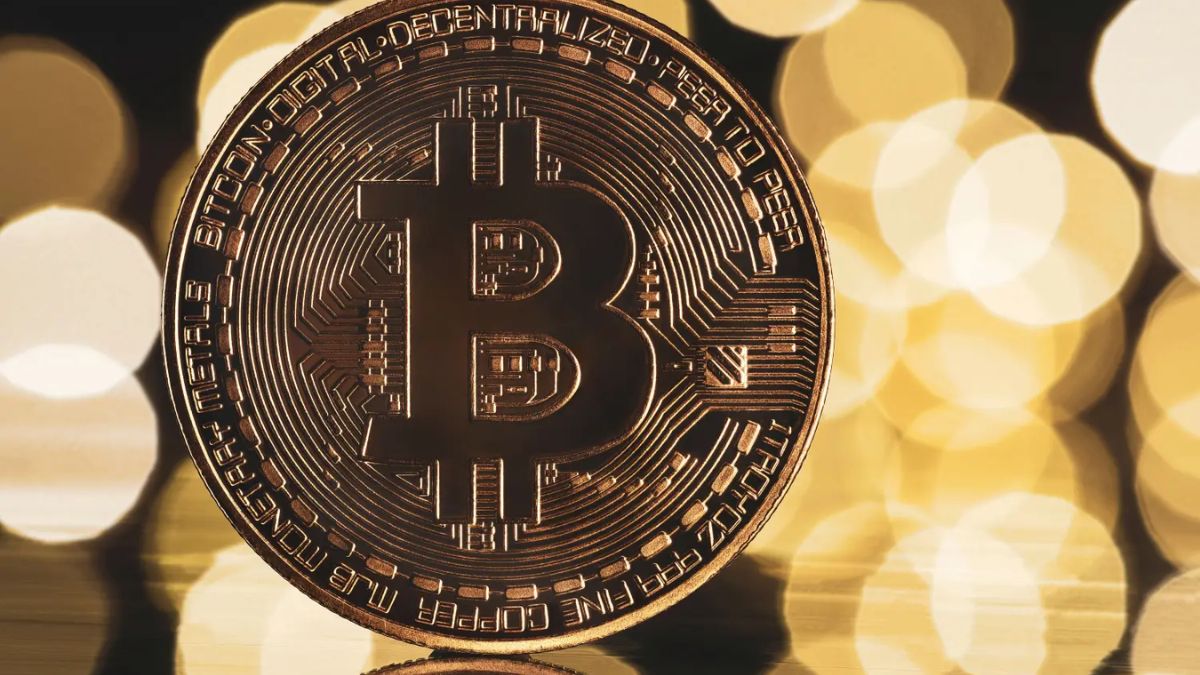
While Bitcoin prices continue to slide, a very different asset class is ticking upward, luxury watches. Over the past six months, crypto markets have struggled through steep declines, yet high-end timepieces have shown surprising resilience, signaling a shift in how investors are parking their money during uncertain times.
This divergence marks a clear break from the pandemic-era trend when crypto, watches, and other speculative assets often moved in sync.
Crypto prices lose momentum
Bitcoin has fallen roughly 25% over the past six months, while the CoinDesk 20 index, a benchmark tracking major digital assets, is down more than 30%. The pullback reflects a mix of tightening liquidity, regulatory uncertainty, and fading speculative appetite that once fueled rapid crypto rallies.
Unlike previous cycles, crypto’s weakness is not being matched by a broad collapse in other alternative assets. Instead, capital appears to be rotating selectively.
Luxury watch prices quietly climb
According to data from WatchCharts, secondary market prices for luxury watches have risen about 4% during the same six-month period. The WatchCharts Overall Market Index, which tracks thousands of watch references across major brands, shows steady upward movement even as crypto trends lower.
This is not a speculative surge, but a measured recovery. Analysts say the rise reflects stabilization after a long correction rather than the return of a full-blown boom.
Morgan Stanley sees stabilization, not hype
In a recent joint report with WatchCharts, Morgan Stanley noted that downside pressure in the luxury watch market eased toward the end of 2025. After nearly two years of falling prices, excess inventory cleared, forced selling declined, and sellers became less willing to slash prices.
At the same time, major watchmakers raised global retail prices by roughly 7% since early 2025. Those increases helped set a higher floor for resale values, even though transaction volumes remain relatively muted.
The result is a calmer, more disciplined market, a sharp contrast to the volatility seen in crypto.
This divergence is especially notable because it breaks a long-standing pattern. During the pandemic and its immediate aftermath, crypto and luxury watches often rose together, buoyed by cheap money and speculative excess.
That relationship cracked in 2024. As Bitcoin surged on anticipation and approval of spot ETFs, luxury watch prices continued to slide, weighed down by tighter financial conditions and cooling retail demand.
Now, the gap has widened further, with watches stabilizing while crypto retrenches.
Only the strongest brands are winning
The recovery in watches is highly selective. According to Morgan Stanley, pricing power is concentrated among elite brands such as Rolex, Patek Philippe, and Audemars Piguet. These names continue to command demand, while many other brands still trade at steep discounts on the secondary market.
A key stabilizing force has been the rise of controlled resale channels. Rolex’s certified pre-owned program, in particular, has reduced volatility by setting clearer pricing expectations and restoring buyer confidence at the high end of the market.
Metals Surge as Crypto Stays Sidelined
The contrast becomes even starker when compared with precious metals. Gold has climbed nearly 70% since early 2025, while silver has surged about 150%. Tight physical supply, strong industrial demand, and geopolitical risk have pushed investors toward tangible scarcity.
Crypto, once grouped with metals and luxury goods as an alternative store of value, has been left behind in this rotation.
Investors are redefining “store of value”
The growing split suggests a deeper change in investor behavior. Rather than treating crypto, watches, and metals as interchangeable scarcity bets, markets are increasingly distinguishing between fast-moving digital assets and slower, physical stores of value.
Luxury watches, like gold, benefit from tangible scarcity and controlled supply. Bitcoin, despite its fixed supply narrative, remains exposed to rapid sentiment shifts and macro-driven selling.
As economic pressure builds, investors appear to be choosing patience and physicality over speed and speculation, a shift that could redefine how alternative assets compete in the years ahead.
