
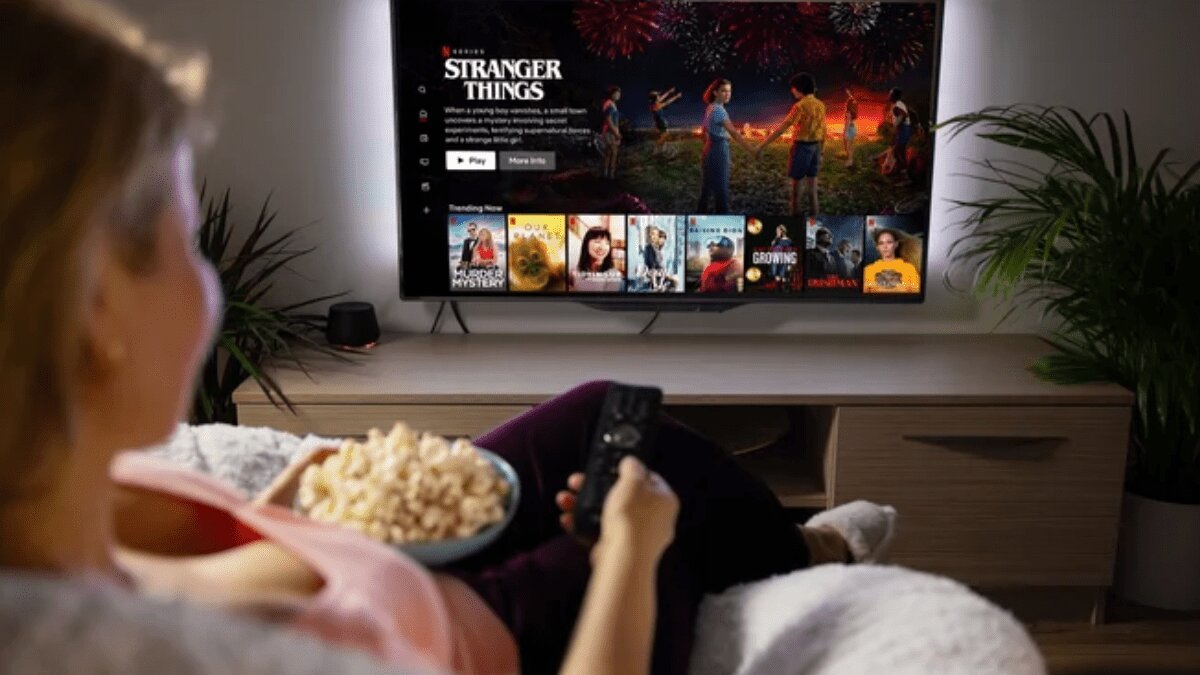
Introduction: The Rise of Comfortable Nothingness
In an age of relentless stimulation, it’s not the action-packed thrillers or mind-bending dramas that dominate America’s screens—but rather the quiet, predictable rhythms of so-called “nothing shows.” Think Friends, The Office, Gilmore Girls, or New Girl. These aren’t just TV shows; for many, they’re life companions—shows that play in the background while folding laundry, working remotely, or falling asleep.
Streaming services like Netflix, Hulu, and Peacock are well aware of this phenomenon. They’ve capitalized on it by keeping old comfort shows in circulation and developing their own new-age nothingness: shows that don’t demand attention but still offer emotional familiarity. A generation raised on rapid content is finding surprising solace in slow, plot-light, rewatchable TV. It’s not about storytelling anymore—it’s about mood regulation.
America’s binge-watching culture has shifted. What began as an innovative way to consume high-quality, serialized television has morphed into a ritualistic consumption of calm. Entire weekends disappear into show marathons not because the narrative demands it, but because the viewer craves the safety of the familiar. In this context, binge-watching becomes less about entertainment and more about sedation.
It begs the question: are we witnessing a collective cultural regression into mental numbness, or are we simply evolving our understanding of self-care? Is this obsession a form of escapism, or a rebellion against the overstimulating chaos of modern life?
This isn’t just a quirky Gen Z or millennial trend—it spans generations. Baby Boomers rewatch Murder, She Wrote. Gen X finds peace in Seinfeld. Meanwhile, Gen Z is looping Modern Family like it’s a meditation track. This intergenerational behavior points to something bigger than nostalgia—it reflects the psychological state of a society overwhelmed by options, burnout, and existential dread.
The nothing show has become America’s pacifier. But what are we soothing, and what might we be sacrificing in the process?
Binge Culture: From Novelty to Necessity
Streaming once promised liberation—no more waiting for next week’s episode. But over time, the binge model turned from novelty into habit, and from habit into necessity. The average American spends more than 3 hours a day watching TV. For many, it’s more. This isn’t just watching—it’s marinating.
The psychological pull is clear. These shows create loops of safety. You know every joke, every conflict, and every resolution. They don’t challenge you—they comfort you. In an era when news cycles feel apocalyptic, these shows offer reprieve from reality without demanding mental effort.
This low-engagement style of viewing may appear lazy, but it’s often therapeutic. Shows like Parks and Recreation and Brooklyn Nine-Nine present idealized versions of friendship, community, and resolution. In real life, things rarely tie up so neatly. The allure of these fictional worlds is the emotional security they provide.
Nothing Shows: Why We Love Them
So what exactly qualifies as a “nothing show”? It’s a series where plotlines are secondary to vibe. There are no dramatic stakes. No world-ending crises. No heavy intellectual lifting. Think The Great British Bake Off or Bob’s Burgers. These shows are built around tone and comfort—not conflict.
They mimic the rhythm of real life while softening its edges. The conversations feel natural. The laughter is constant but never forced. Characters grow incrementally, not dramatically. These shows are a warm bath—not a rollercoaster.
Neurologically, our brains find relief in the predictable. The dopamine hit from suspense is replaced by serotonin from familiarity. Just like children ask for the same bedtime story over and over, adults rewatch the same sitcoms—because we’re seeking the same peace.
From Coping to Addiction: When Comfort Becomes Crutch
While nothing shows offer comfort, there’s a fine line between emotional maintenance and avoidance. For some, binge-watching becomes a coping mechanism that replaces real engagement with life. Watching becomes doing. Viewers use shows as background noise to dull anxiety, fill silence, and stave off loneliness.
The danger? Emotional stagnation. When your evenings are spent in the company of fictional friends, there’s less room for growth, connection, or reflection. Viewers may mistake the feeling of comfort for actual wellness.
There’s also the physical toll. Sedentary behavior increases as binge sessions stretch into hours. Sleep is sacrificed. Tasks pile up. Social connections weaken. Streaming apps are designed to auto-play the next episode—not ask if you’re okay.
Capitalism and Content: A Profitable Loop
Streaming platforms aren’t innocent bystanders in this phenomenon—they engineer it. Algorithms push comfort content because it keeps viewers hooked. Autoplay, customized recommendations, and nostalgia-based promotion all feed into the cycle.
The profit model thrives on viewer inertia. You’re not just the audience—you’re the product. Time spent watching equals ad dollars, subscriptions, and data. Netflix didn’t invest millions to reboot That ’90s Show for artistic innovation—it did it to capitalize on your nostalgia and your fatigue.
The most successful nothing shows are cheap to produce, endlessly rewatchable, and algorithmically effective. They serve as both sedative and stimulant for an overstimulated population.
Generational Consumption: Different Eras, Same Escape
It’s not just a Gen Z issue. Each generation has its flavor of nothingness. Boomers loved the procedural reliability of Columbo or Matlock. Gen X found ironic detachment in Seinfeld. Millennials embraced the fast-talking warmth of Gilmore Girls. Gen Z favors vibe over plot—turning even TikTok into micro-doses of comfort.
What’s changed isn’t the desire to disconnect—it’s the tools we use to do it. Streaming has removed all barriers. There’s no waiting, no commercials, and no friction. We binge because we can. And because, increasingly, we must.
Mental Health Meets Media: Sedation as Self-Care
In a world where therapy is expensive and rest is rare, watching The Office on repeat starts to feel like a form of self-care. Mental health experts are divided. Some argue that rewatching familiar shows offers a sense of control and routine. Others warn that it reinforces passive behavior and emotional suppression.
But the truth may lie somewhere in the middle. When done mindfully, binge-watching can be a reset. It becomes problematic only when it replaces real coping mechanisms with digital sedation.
Streaming becomes the modern equivalent of zoning out—not with a book, not with a walk, but with an iPad and reruns of Frasier.
Cultural Stagnation or Evolution?
There’s a looming question: does this obsession with “nothing” signify cultural stagnation? Are we, as a society, choosing passive comfort over active engagement? Or are we evolving our understanding of storytelling and leisure?
One could argue that today’s binge-watching habits reflect a post-content era. We’re not watching for plot twists anymore—we’re watching to feel less alone. Our tastes have shifted from narrative-driven experiences to mood-driven media.
The era of the “event series” may be waning. Prestige dramas still exist, but their cultural footprint is smaller. It’s not that America has lost its attention span—it’s that attention is now a scarce resource, and we’re spending it more conservatively.
Conclusion: Reimagining the Act of Watching
So is binge-watching nothing shows a sign of brain rot—or bliss?
The answer, like most things, is complex. What some dismiss as lazy escapism may actually be a vital form of emotional self-regulation. What others see as indulgence may, for many, be survival. In a country facing economic instability, political division, and a mental health crisis, watching Schitt’s Creek for the third time isn’t just entertainment—it’s a life raft.
Yet, it’s important to recognize the line between comfort and complacency. Media consumption should support life, not replace it. When binge-watching becomes the default way of processing stress or anxiety, it risks becoming a digital crutch that inhibits real growth.
But let’s also acknowledge the beauty of these moments. There’s a certain magic in shows that expect nothing from you. That allow you to exist. That remind you, quietly, that life doesn’t always have to be dramatic to be worthwhile.
As we move into a future increasingly shaped by AI, automation, and uncertainty, it makes sense that we’d cling to the emotional certainty of fictional friends in fictional towns with fictional problems. They don’t judge. They don’t change. And in that stillness, we find peace.
Maybe the goal isn’t to abandon binge-watching, but to understand it better. To use it intentionally. To embrace the comfort, but also step outside of it when needed. To recognize that joy doesn’t always have to be productive. Sometimes, watching “nothing” can be the most human thing of all.
