
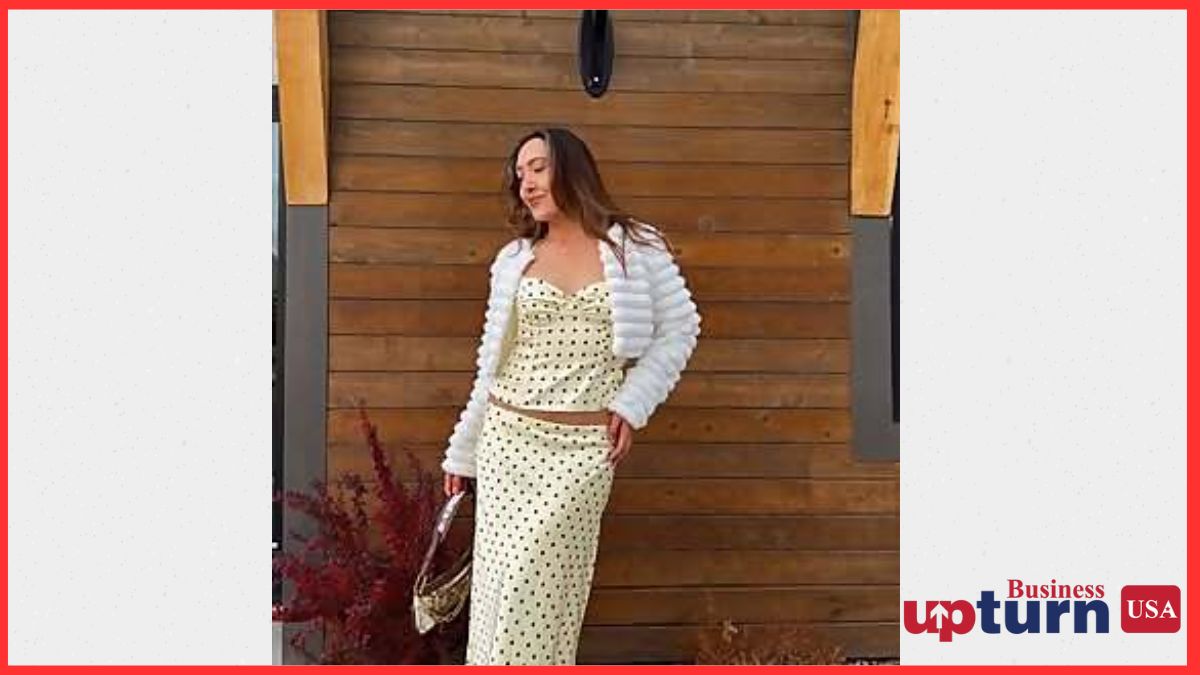
In today’s creator-driven economy, fashion influencers are no longer just trendsetters—they are structured digital entrepreneurs. Bianca Daliana exemplifies this modern business approach by transforming personal style content into a diversified, scalable, and brand-safe revenue ecosystem tailored to U.S.-based audiences and advertisers. Her business model centers on trust-based influence, data-driven monetization, and platform-native commerce strategies rather than one-off promotions.
Strategic Brand Partnerships as a Core Revenue Engine
One of Bianca Daliana’s primary income sources comes from paid brand collaborations with fashion, beauty, and lifestyle companies targeting U.S. consumers. These partnerships are typically structured as campaign-based agreements rather than single posts. Brands compensate her for a combination of Instagram Reels, TikTok videos, and short-form styling content optimized for discovery and conversion.
From a business standpoint, Bianca operates as a micro-to-mid-tier influencer with strong engagement metrics, which is highly attractive to U.S. brands seeking measurable return on ad spend. Compensation is generally benchmarked against reach, engagement rate, usage rights, and content exclusivity, allowing her to command predictable, contract-based income.
Affiliate Marketing and Performance-Based Earnings
Affiliate commerce represents a recurring and performance-driven revenue stream within Bianca Daliana’s business model. By integrating trackable affiliate links from major U.S. fashion retailers, she earns commissions on every verified sale generated through her content.
Unlike flat-fee sponsorships, affiliate income scales with audience purchasing behavior. Bianca’s content strategy emphasizes outfit breakdowns, product tagging, and styling tutorials, which naturally guide viewers toward purchase decisions. This model enables her to monetize evergreen content long after initial posting, creating long-term revenue efficiency.
Platform Monetization and Creator Economy Tools
Bianca also benefits from platform-native monetization programs available in the U.S. creator economy. These include performance bonuses, creator funds, and in-app shopping incentives offered by platforms such as Instagram and TikTok. While these payouts fluctuate based on reach and engagement, they contribute incremental income that complements her brand and affiliate earnings.
In addition, monetized features such as branded content tools and shopping integrations enhance transparency for advertisers while strengthening her positioning as a compliant, professional creator.
Long-Term Brand Equity and Personal IP Development
Beyond immediate income, Bianca Daliana’s business model prioritizes long-term brand equity. Her consistent aesthetic, audience-first content, and avoidance of over-saturation position her for future licensing, capsule collaborations, or private-label opportunities within the U.S. fashion market.
By owning her content style and audience relationship, Bianca is effectively building personal intellectual property that extends beyond social platforms. This strategic focus allows for expansion into digital products, curated collections, or exclusive brand partnerships without diluting credibility.
A Sustainable Influencer Business Model
Bianca Daliana’s fashion influencer business model demonstrates how modern creators operate as structured media businesses. Through diversified revenue streams—brand partnerships, affiliate commerce, platform monetization, and long-term brand development—she has created a sustainable, U.S.-centric income framework grounded in performance, authenticity, and scalability.
As the influencer economy continues to mature, Bianca’s approach highlights how fashion creators can move beyond trends and build enduring digital enterprises rooted in strategic monetization rather than hype-driven visibility.
