
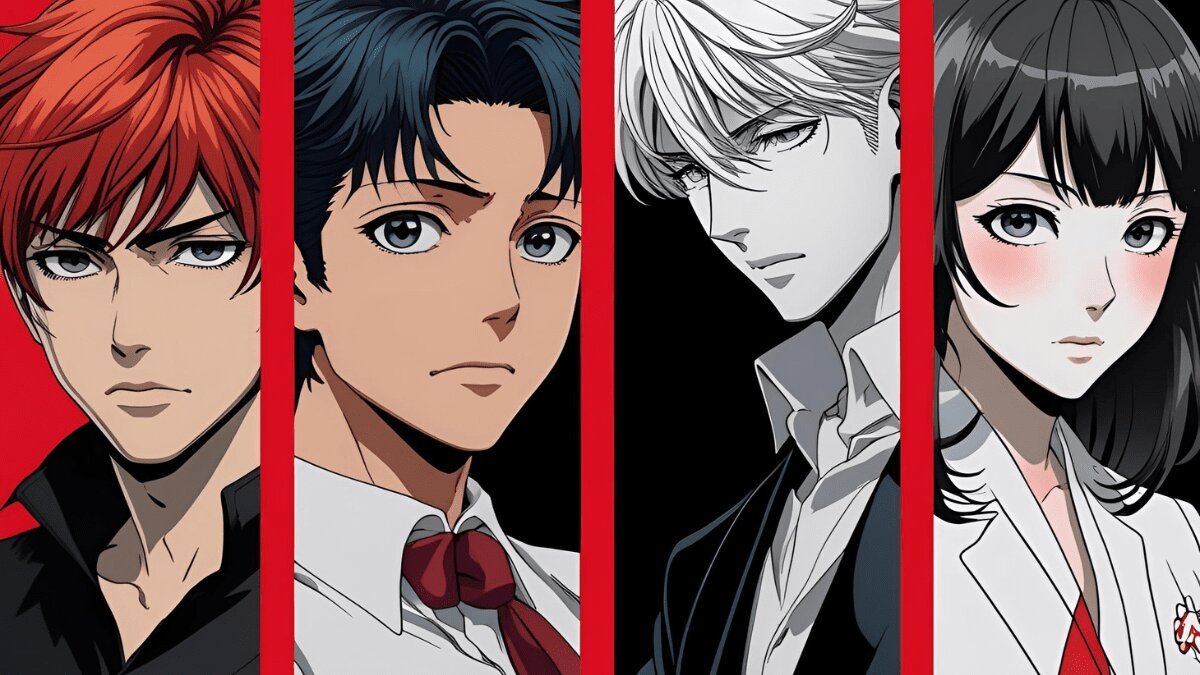
Romance anime set in high school remain one of the most relatable and emotionally engaging genres. They draw viewers in by blending lighthearted moments with deep emotional resonance. Two titles that stand out in this realm are Horimiya and Kimi ni Todoke. Both showcase love blossoming in a school setting but in remarkably different styles.
Horimiya, based on the manga by HERO and Daisuke Hagiwara, is a modern take on love and identity. It’s a story of opposites attracting—Hori, a popular and responsible student, and Miyamura, a quiet and misunderstood boy with piercings and tattoos. What starts as an unlikely friendship becomes a heartfelt romance filled with vulnerability, humor, and genuine connection. The anime, animated by CloverWorks, was praised for its warmth, grounded characters, and realistic depiction of teenage relationships.
Kimi ni Todoke, based on Karuho Shiina’s manga, is a slow-burn romance filled with innocence and emotional sensitivity. It follows Sawako Kuronuma, a shy girl often mistaken for a ghost due to her quiet demeanor and long black hair. Her world changes when the cheerful and popular Kazehaya reaches out to her. What unfolds is a gentle journey of friendship, acceptance, and first love. Animated by Production I.G., the series is known for its soft art style and deeply introspective tone.
These two anime approach love and adolescence in distinct ways—Horimiya with a fast-paced, slice-of-life intimacy and Kimi ni Todoke with patient, heartwarming subtlety. But which one is the better portrayal of high school romance? Let’s explore their stories, characters, themes, emotional impact, and overall appeal to decide.
Story and Pacing
Horimiya wastes no time—it jumps straight into the chemistry between Hori and Miyamura and lets their relationship evolve rapidly. What makes it unique is that the main couple gets together early in the series, allowing the story to focus on the emotional depth and intimacy that follow. The pacing is brisk, skipping some subplots from the manga, which some fans found too quick, but it delivers impactful moments without dragging.
Kimi ni Todoke is a classic slow-burn. The anime takes its time building Sawako’s relationships—not just her romance with Kazehaya but her friendships with classmates as well. The slow pacing allows for deep emotional build-up but may feel sluggish to viewers expecting quick developments. However, this deliberate approach is part of the show’s charm and emotional payoff.
Verdict: Horimiya suits viewers who want a modern, fast-paced romance with emotional transparency. Kimi ni Todoke is ideal for fans of gradual, tender relationship building and old-school romantic vibes.
Main Characters and Development
In Horimiya, Hori and Miyamura are complex characters who defy high school stereotypes. Hori is not just the perfect student—she’s tough, impatient, and deeply caring. Miyamura hides behind a reserved exterior but blossoms into a confident and loving partner. Their development is honest and organic. Secondary characters also have meaningful arcs, adding depth to the overall school setting.
Kimi ni Todoke centers around Sawako’s transformation from an outcast to a socially connected and confident girl. Her innocence, sincerity, and awkwardness are endearing. Kazehaya is the ideal nice guy—supportive and warm. The series excels in showing Sawako’s internal growth, as well as her relationships with her two best friends, Ayane and Chizuru. Every interaction adds emotional richness to the narrative.
Verdict: Horimiya shines with its modern, relatable character dynamics. Kimi ni Todoke triumphs in slow, emotionally layered character growth, especially in its portrayal of female friendship.
Themes and Emotional Impact
Horimiya explores identity, self-acceptance, and the unspoken pain behind appearances. It’s about breaking down emotional walls and finding someone who sees you completely. The series dives into insecurities, self-worth, and how real love means accepting every side of a person—flaws and all. It’s emotional without being melodramatic.
Kimi ni Todoke focuses on communication, kindness, and the courage to step out of isolation. It beautifully captures the anxiety of being misunderstood and the quiet thrill of being accepted. The emotional moments are slow but powerful, and the romantic tension is delicately woven with personal growth. It’s a comforting story that resonates deeply with introverts and empathetic viewers.
Verdict: Horimiya hits quickly and emotionally with a modern, open-hearted touch. Kimi ni Todoke offers a gentle, lingering impact rooted in emotional authenticity and social growth.
Art Style and Atmosphere
Horimiya, animated by CloverWorks, has a bright and clean visual style that matches its modern tone. Character designs are expressive, and the animation enhances emotional beats without needing dramatic flair. It uses subtle visual cues to capture romantic tension and character vulnerability.
Kimi ni Todoke leans into a softer, watercolor-inspired aesthetic. The animation has a dreamlike quality, often emphasizing mood and introspection over movement. The art mirrors Sawako’s emotional world—gentle, hesitant, and quietly beautiful. Visual metaphors (like blooming flowers or light rays) add poetic resonance.
Verdict: Horimiya wins for contemporary and relatable animation. Kimi ni Todoke offers a nostalgic, poetic visual experience that feels timeless.
Romance and Relationship Dynamics
Horimiya depicts a realistic, balanced relationship. Hori and Miyamura face emotional issues together, communicate (sometimes awkwardly), and evolve as a couple. Their romance is physical, emotionally mature, and filled with quiet support. It’s refreshing to see characters who express affection naturally and handle conflict with vulnerability.
Kimi ni Todoke is about the gentle steps toward love. The romance builds slowly, with many moments of misunderstanding and unspoken feelings. It’s a journey of emotional honesty that mirrors the awkwardness and innocence of first love. Kazehaya and Sawako’s moments—holding hands, sharing glances—feel monumental.
Verdict: Horimiya is ideal for viewers who enjoy established relationships and emotional transparency. Kimi ni Todoke appeals to those who treasure the sweetness and anxiety of first love.
Soundtrack and Tone
Horimiya features a light, melodic soundtrack that complements its slice-of-life pace. The music is subtle but effective in enhancing emotional and comedic scenes. The opening and ending themes capture the series’ tone—youthful, reflective, and a little bittersweet.
Kimi ni Todoke has a more atmospheric soundtrack. Its gentle piano themes and calming background music create a serene tone that aligns perfectly with the introspective pace. The opening songs, like “Kimi ni Todoke” by Tomofumi Tanizawa, evoke a sense of longing and sincerity.
Verdict: Both soundtracks suit their series well—Horimiya is fresh and modern, while Kimi ni Todoke is soft and heartfelt.
Conclusion
Both Horimiya and Kimi ni Todoke are exemplary high school romance anime, but they cater to different emotional and aesthetic tastes.
Choose Horimiya if you want:
-
A quick, emotionally open romance
-
Modern characters and relatable high school life
-
A couple that navigates love after getting together
-
A fast-moving story with humor and heart
Choose Kimi ni Todoke if you want:
-
A slow-burn, emotionally immersive love story
-
Gentle, introspective character growth
-
A deeply moving portrayal of friendship and social anxiety
-
A nostalgic, comforting romantic journey
Whether you’re drawn to Horimiya’s candid charm or Kimi ni Todoke’s quiet beauty, both shows will leave a lasting impression. One offers the thrill of emotional connection unfolding quickly, while the other invites you to patiently walk through the tender process of falling in love. For anime fans—especially those new to romance—either path is well worth the journey.
