
Shares in Aston Martin Lagonda remained under pressure on Friday after the company released another disappointing set of financial results and warned that profits will fall short of expectations.
The stock was trading at 58p. That is a sharp drop from last year’s high of 121p. It is also far below its all time peak of 4,545p.
The latest update shows the turnaround effort led by Canadian billionaire Lawrence Stroll is still struggling to gain traction.
In a trading statement, the company said it expects to deliver 5,448 vehicles this financial year. That is down from 6,030 the year before. Management pointed to weaker demand in the United States, where new tariffs announced by Donald Trump have added pressure to the auto sector.
Aston Martin also warned that its adjusted earnings before interest and tax will come in below the lower end of analyst forecasts. Analysts had already been expecting a loss of around £184 million.
The third quarter figures underline the challenge. Revenue fell 26% to just over £739 million. Loss before tax widened to more than £252 million.
Leadership changes have also been frequent. Adrian Hallmark took over as chief executive in August 2024. He previously worked at Bentley. He replaced Amedeo Felisa, who had earlier stepped into the role after Tobias Moers. Each of the recent chief executives remained in the job for about 2 years.
Such turnover has made it harder to deliver a consistent long term strategy.
The company has also raised fresh capital several times, diluting existing shareholders. Backers include Mercedes-Benz, Geely, and Yew Tree, the investment group led by Stroll.
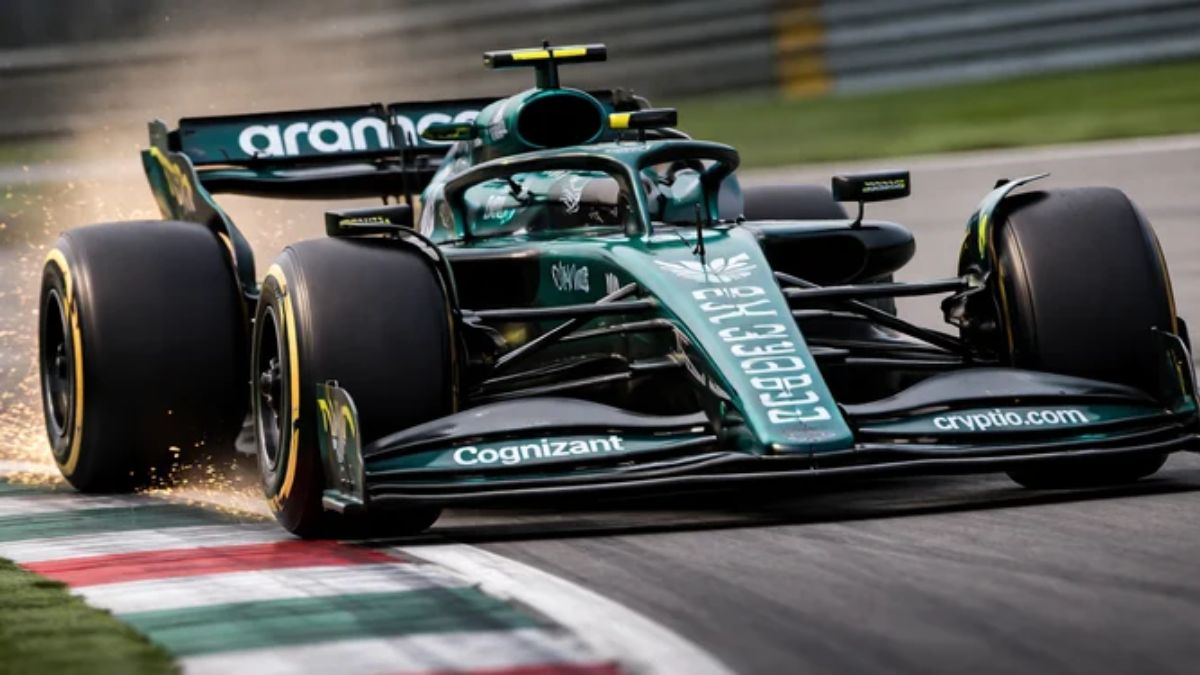
Debt remains another major concern. Aston Martin carries roughly 2 billion dollars in debt. That is significant for a company with a market value of about £600 million. There is growing speculation that it may need to raise more funds this year. That would add to the 50 million dollars it is generating from selling its Formula 1 naming rights.
From a technical point of view, the share price has been moving within a narrow band between 58p and 67p since October. Analysts say the chart is showing signs of a bearish flag pattern. The stock is also trading below its key moving averages.
If selling pressure continues, traders may look to the 50p level as the next area of support. On the other hand, a move above 67p could ease immediate downside pressure.
For now, investors appear cautious. The combination of falling deliveries, widening losses, rising competition, and heavy debt continues to weigh on confidence in the luxury carmaker’s recovery plan.