

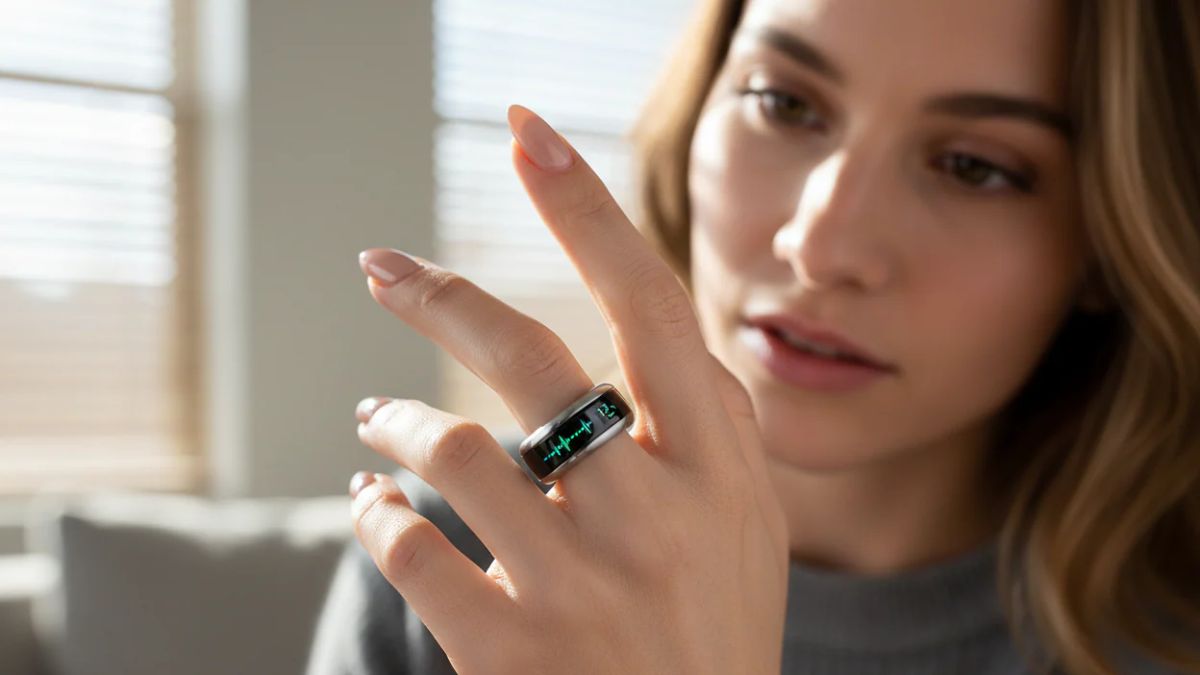
Artificial intelligence is now helping people master the art of the perfect nap by predicting the exact time and duration needed for a maximum energy boost. Instead of a one size fits all approach these systems look at your unique sleep history and current energy levels to suggest when a quick rest will be most effective. By analyzing data from your previous night of sleep the AI can identify the specific window in the afternoon when your alertness naturally dips and your body is most receptive to a recharge. This ensures that you aren’t just napping when you feel tired but rather when your biology is primed for a recovery session.
One of the most valuable features of these AI tools is their ability to recommend different types of naps based on your specific goals for the day. If you have a busy afternoon ahead the app might suggest a twenty minute “power nap” which keeps you in the lighter stages of sleep to boost alertness without any lingering grogginess. For those who need to improve their memory or creativity the system might recommend a longer ninety minute nap which allows for a full sleep cycle including deep and REM sleep. By tailoring the length of the rest to your needs the AI helps you avoid the “sleep inertia” that often leaves people feeling more exhausted after waking up.
These smart systems also take into account your recent activities and physical stress to fine tune their suggestions. If your wearable device detects that you’ve had a particularly high intensity workout or a stressful morning the AI might nudge you toward a slightly longer rest to help with physical repair and emotional regulation. In 2026 many of these apps also use “circadian rhythm prediction” to warn you if a nap is being taken too late in the day. This prevents you from accidentally disrupting your ability to fall asleep at night ensuring that your daytime recovery doesn’t come at the expense of your long term health.
By integrating these recommendations into a daily schedule AI makes napping a strategic tool for high performance rather than a sign of fatigue. It helps shift the perception of resting into a proactive way to maintain focus and mood throughout the entire day. As the technology learns more about your personal recovery patterns it becomes increasingly accurate at spotting the precise moment when a few minutes of shut eye will provide the greatest return on energy. This data driven approach allows you to work with your body’s natural rhythms making it easier to stay balanced and energized even during your most demanding weeks.