
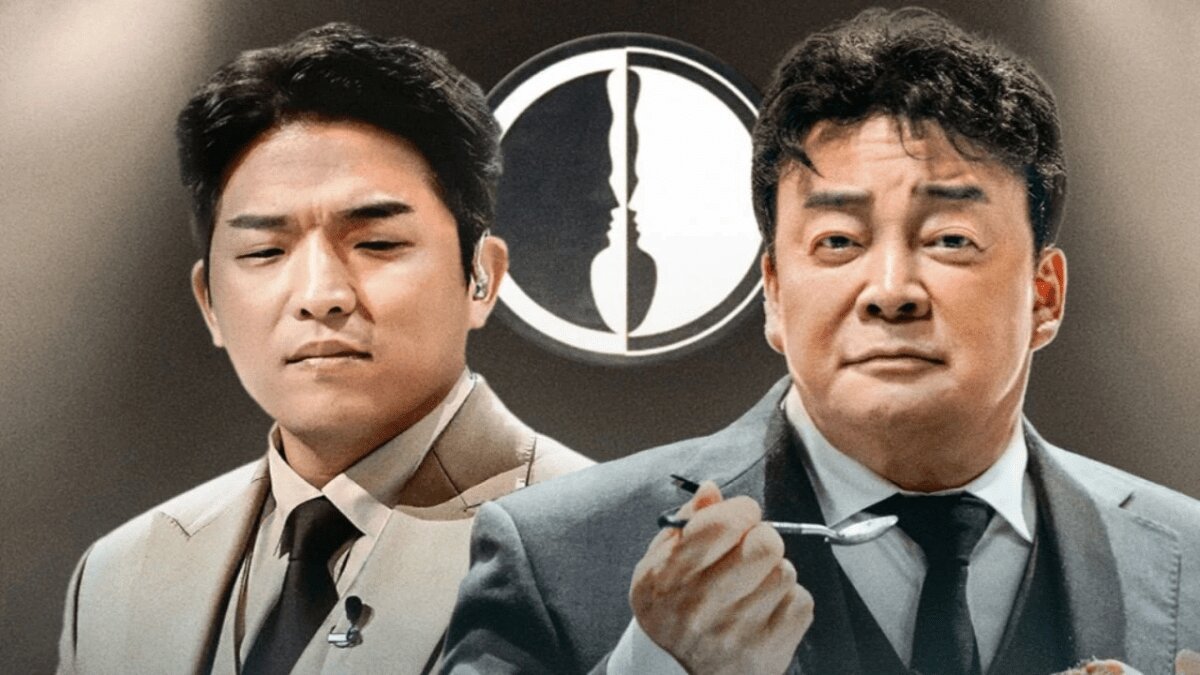
Since its release in September 2024, Culinary Class Wars has been one of South Korea’s most buzzworthy reality shows. The competitive cooking program quickly became a cultural phenomenon, trending on social media and sparking fresh global curiosity about Korean food and cooking techniques. Praised for its dramatic format and the strong presence of its chefs, the show has become a staple in conversations about modern food television.
But recently, controversy has flared after a Chinese program bearing striking similarities to Culinary Class Wars premiered, raising questions about whether Netflix, the platform behind the Korean hit, had sold the rights.
The Chinese version, titled Yi Fan Feng Shen (Chef of China), launched on July 17 via Tencent Video. Though branded as a show highlighting the richness of Chinese cuisine, viewers quickly noticed uncanny parallels with the Korean format. The black-apron versus white-apron structure, the intense head-to-head battles, and even the overall stage design mirrored Culinary Class Wars to such a degree that many Chinese netizens themselves accused it of being a near-carbon copy.
Responding to speculation, Netflix told Ilgan Sports that it has not sold remake rights for the series in China. The streaming giant added that it is reviewing the situation and considering how to respond to the show’s similarities. This leaves open the possibility of an intellectual property dispute, and industry insiders suggest a legal battle could be brewing.
The original Korean version was hosted by star restaurateur Paik Jong Won (Baek Jong Won) alongside actor Ahn Sung Jae. Together, they judged 100 contestants — 20 veteran chefs and 80 fresh faces — who fought their way through 12 intense episodes for the grand prize of 300 million KRW. With its blend of culinary skill, reality drama, and heartfelt storytelling, the show was praised for elevating cooking competitions to a whole new level.
Thanks to its runaway success, a second season of Culinary Class Wars was confirmed in October 2024 and is scheduled to air later this year. Fans are now watching closely to see how the Netflix–Tencent controversy unfolds, with many calling this a test case for how global streaming platforms protect their original formats in an era where cultural exports spread faster than ever.
