
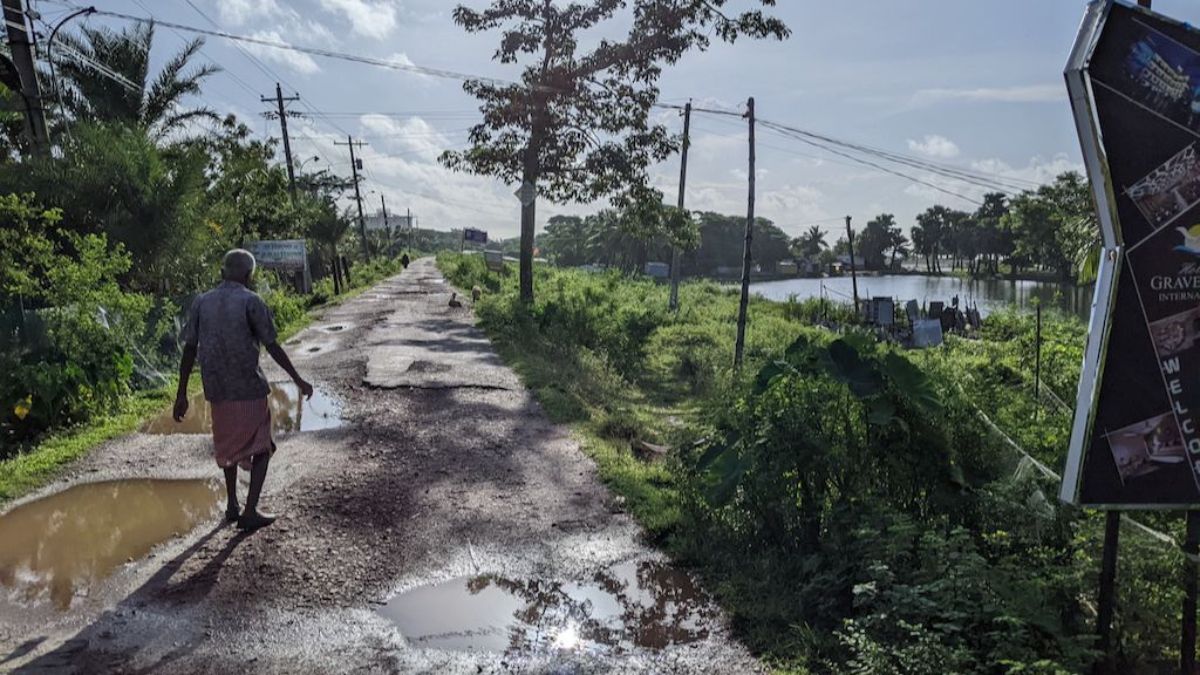
The Asian Development Bank (ADB) on Wednesday said it approved a loan of 71 million US dollars to improve flood control, irrigation, and water resources management in Bangladesh. The project in rural communities in Gopalganj and Madaripur districts will strengthen their preparedness and resilience to the effects of climate change, the bank said in a press release. Based on the Global Climate Risk Index, Bangladesh is ranked seventh regarding vulnerability to climate risk, the bank said, adding that the country “faces increasing frequency and intensity of extreme weather and slow-onset climate events.”
Without effective adaptation measures, the country could lose about 30 per cent of agricultural gross domestic product by 2050 because of climate variability and extreme events impacting rural communities, especially women, who depend on climate-sensitive agricultural practices and natural resources for their livelihoods. The ADB said the project is expected to benefit more than 600,000 people and will introduce climate-resilient flood control, drainage, and irrigation measures to reduce saline intrusion, Xinhua news agency reported.
The ADB support “will further boost economic growth and productivity, increase incomes and sustainable livelihoods, especially for women and vulnerable groups, and reduce poverty in rural areas of southwest Bangladesh,” said ADB Senior Project Management Specialist Pushkar Srivastava. It will adopt nature-based solutions to strengthen FCDI infrastructure and improve drainage in four subbasins. The project will develop and enhance integrated water management plans, construct training centers for water management organisations, and other community infrastructure.
