
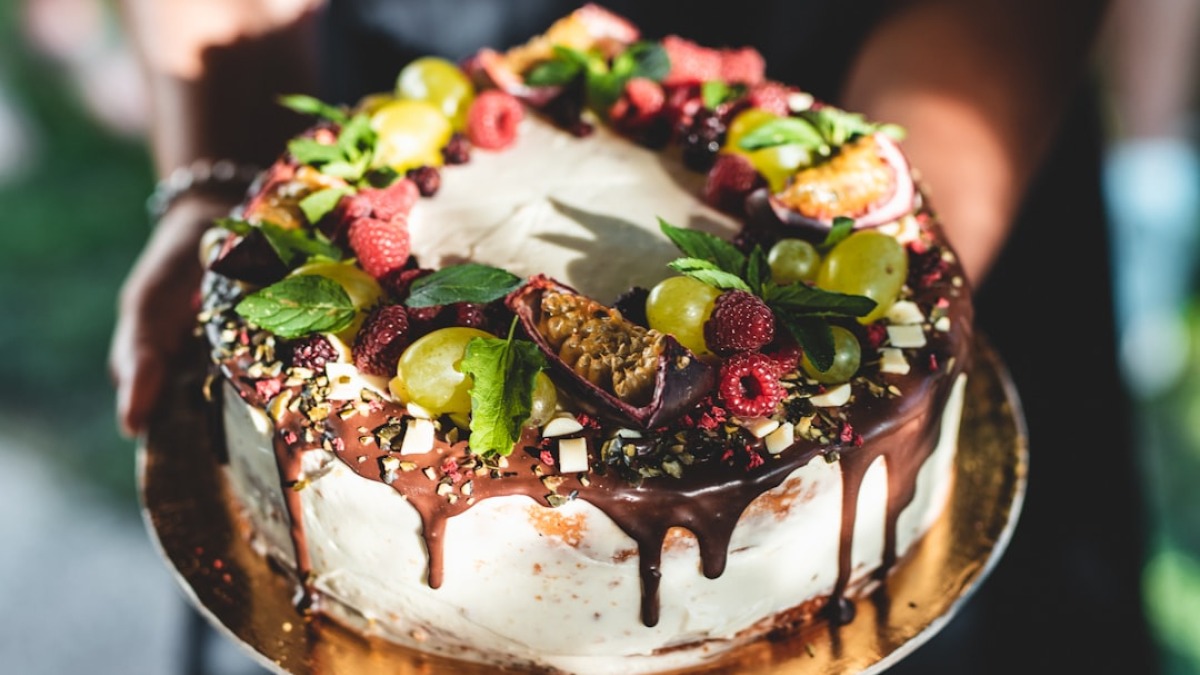
How to bake a traditional fruit cake step by step
A traditional fruit cake is one of the most enduring symbols of Christmas baking. Known for its rich texture, long shelf life, and deep flavours, this cake is often prepared weeks ahead of the festive season. Baking a traditional fruit cake step by step allows home bakers to follow a structured, reliable process that prioritises technique, timing, and care rather than complexity.
Step 1: Prepare the ingredients in advance
The first step in baking a traditional fruit cake is preparation. Fruit cakes rely heavily on dried fruits, nuts, and warming spices, all of which benefit from early preparation. Many bakers prepare their ingredients ahead of time to ensure even mixing and consistent texture.
Allowing ingredients to reach room temperature before baking helps achieve a smooth batter and even bake. This step sets the foundation for a well-balanced traditional fruit cake.
Step 2: Prepare the cake tin properly
Proper tin preparation is essential when baking a traditional fruit cake. Fruit cakes are baked slowly and for longer durations, making lining the tin particularly important. Lining the base and sides of the tin helps protect the cake from overbaking and ensures easy removal once baked.
This step also supports even heat distribution, which is critical for dense cakes filled with fruit.
Step 3: Cream the base mixture carefully
The next step involves preparing the cake base. Creaming the base ingredients thoroughly creates a stable structure for the cake. This process helps incorporate air gently, which supports even rising while maintaining the dense texture expected in a traditional fruit cake.
Taking time during this stage improves consistency and helps prevent uneven baking later.
Step 4: Add eggs gradually and evenly
Eggs should be added slowly and mixed well at each stage. This step ensures the mixture remains smooth and well combined. Gradual incorporation prevents separation and helps maintain the cake’s structure.
Careful mixing at this point contributes to the rich yet balanced texture that defines traditional fruit cake.
Step 5: Fold in fruits, nuts, and dry ingredients
Once the base mixture is ready, the prepared fruits, nuts, and dry ingredients are gently folded in. Folding rather than stirring helps preserve the mixture’s structure and ensures even distribution throughout the cake.
This step is central to traditional fruit cake baking, as even distribution prevents sinking and supports uniform flavour in every slice.
Step 6: Bake slowly at a low temperature
Traditional fruit cakes are baked slowly to allow the dense mixture to cook evenly. A low and steady oven temperature prevents burning while ensuring the centre cooks thoroughly. Baking times are longer than standard cakes, reflecting the richness and density of the mixture.
Checking the cake periodically ensures consistent results without unnecessary disturbance.
Step 7: Cool the cake properly
Once baked, the cake should be allowed to cool gradually in its tin. Sudden temperature changes can affect texture. Cooling fully before removal helps the cake set properly and maintain its shape.
This step is essential for preserving the cake’s structure and preparing it for storage or decoration.
Step 8: Store and mature the fruit cake
A traditional fruit cake benefits from resting time. Proper storage allows flavours to develop and deepen over time. Wrapping the cake carefully and storing it in a cool, dry place supports maturation and enhances taste.
Many traditional fruit cakes are enjoyed weeks after baking, reflecting their long-standing role in festive planning.
Why baking a traditional fruit cake step by step matters
Following a step-by-step method ensures reliability and consistency. Traditional fruit cake baking values patience, preparation, and attention to detail. Each step supports the next, resulting in a cake that reflects both skill and tradition.
By baking a traditional fruit cake step by step, home bakers can confidently create a festive centrepiece that honours Christmas customs. This methodical approach ensures a rich, well-balanced cake that can be shared, stored, and enjoyed throughout the festive season.
