
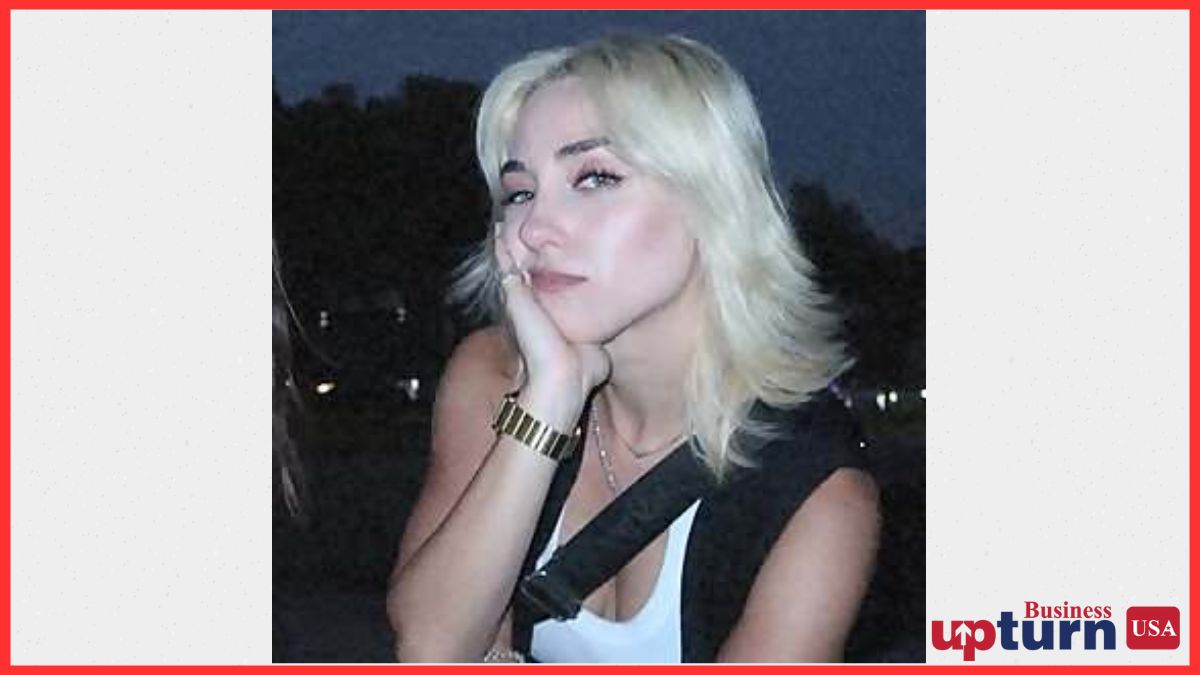
When you first land on Destiny Petrel’s Instagram, there’s an immediate sense of a musician who is both unfiltered and carefully tuned. The feed offers a steady heartbeat of guitar riffs, intimate studio snapshots, and smile-after-rehearsal photos that make fans feel like they’re standing just offstage — close enough to see the frets, far enough to let the music breathe.
This article is written from the perspective of viewers and listeners who watch Destiny build a life in sound. We will look at the measurable facts about their online presence, trace their artistic development, and—most importantly—unpack the practical business model powering their independent career. Expect warm, plainspoken analysis, and at the end: one truly fresh idea about how Destiny’s creative choices map to a new kind of musical entrepreneurship.
Destiny Petrel’s Digital Rise & Instagram Journey
Destiny’s Instagram is where many listeners first meet their music and personality. The account centers the artist’s dual identity as a guitarist and songwriter, using Reels, short performance clips, and behind-the-scenes visuals to introduce new work and to keep a direct line open to fans.
Across the platform, the sense of voice is consistent: candid, accessible, and rooted in craft. Posts are not just promotion; they are mini-lessons, invitations, and personal postcards rolled into one, which encourages viewers to linger, save, and return.
Instagram Content Strategy: Short-Form Music, Guitar Tutorials, and Authenticity
Destiny’s Instagram strategy leans heavily on short-form video. These clips showcase songs, guitar technique, and the creative process of producing in modest spaces. The result is an efficient funnel: a scrolling viewer pauses, a chorus hooks, and a saved Reel turns into a repeat listen on streaming platforms.
The authenticity is both stylistic and strategic. Instead of polishing every moment for a glossy magazine sheen, many posts preserve small imperfections — a hand slightly out of frame, the hum of a rehearsal room — which humanizes content and deepens fan attachment.
Audience Behavior and Engagement Patterns on Destiny’s Feed
Audience responses tend to cluster into a few emotionally-driven behaviors: encouragement (comments about how the music helps), curiosity (questions about gear and songwriting), and participatory sharing (fans posting covers and tagging Destiny). This combination of emotional engagement and participatory behavior fuels a creative feedback loop where the audience feels co-authorship over the music’s life.
Because the content blends learning and entertainment, fans often return not purely for updates but for value: a quick guitar tip, a new riff to try, a slice of honest studio talk. That keeps post reach and saves higher than it would be for posts that are only promotional.
Artistic Evolution and Career History
Destiny’s artistic narrative begins with deep early exposure to music, moving from a home and local community where music was a tactile, everyday language. Early lessons in piano, school band experiences, and a pivot toward guitar in adolescence shaped a musician who values both melody and technical fluency.
As Destiny moved from their hometown roots to Los Angeles, the sound matured into a hybrid of gospel-tinged vocal warmth and pop-rock guitar momentum. The result is music that comfortably inhabits both radio-ready hooks and intimate, guitar-centered arrangements.
Phase One — Foundations: Family, Church, and Early Instruments
The earliest phase of Destiny’s musical life reads like a quiet apprenticeship. Family singing and community music-making set the emotional groundwork: expression, support, and the practice of showing up to play.
This phase established the tonal palette—soulful vocal phrasing and an instinct for melody—that persists through Destiny’s later work.
Phase Two — Teenage Years: The Guitar Becomes a Language
Around adolescence, the guitar moved from curiosity to primary voice. Self-teaching, hours of practice, and early home recordings led to a basic but powerful independence: Destiny could write, perform, and eventually produce their own ideas without waiting for external gatekeepers.
These formative years produced several self-released tracks and a growing presence among fellow guitarists online.
Phase Three — The Professional Shift: Moving to LA and Becoming a Producer-Artist
Relocating to Los Angeles marked the professional turn. There, Destiny expanded their role from singer-songwriter to multi-instrumentalist and producer, learning modern studio workflows and how to translate bedroom demos into stage-ready arrangements.
This transition also brought collaboration opportunities and incremental career milestones: headline shows, session work, and features in music-focused outlets that began to map a clear trajectory for a modern independent artist.
Detailed Breakdown of Destiny Petrel’s Business Model
What many viewers feel intuitively—Destiny’s authenticity translates to real audience loyalty—has a practical architecture behind it. The business model is diverse, digital-first, and intentionally resilient: multiple revenue streams that reinforce one another rather than relying on any single hit.
At its core, Destiny’s approach combines modern creator-economy playbooks with old-school musicianship: create compelling music; distribute it across platforms; nurture a dedicated audience via direct channels (Instagram, a mailing list, Discord or community spaces); convert attention into purchases, streams, and paid partnerships; and iterate.
Revenue Stream — Recorded Music & Streaming Income
Recorded music on major streaming platforms provides a baseline revenue stream. While per-stream payouts are small, consistent release scheduling, playlist placements, and cross-promotion from social clips compound into steady monthly income. For an artist like Destiny, who pairs short-form clip virality with full-track releases, this channel acts as both discovery and passive revenue.
Beyond per-stream revenue, recorded music also functions as a catalog asset. Every song is a monetizable piece: sync opportunities, licensing for media, and future compilations or special editions.
Revenue Stream — Merchandising and Direct Sales
Destiny’s website hosts a shop where fans can purchase physical goods tied to musical releases. Merchandise—t-shirts, vinyl or cassette releases, and limited-run items—sells directly to the most engaged fans and carries higher margins than streaming.
Special drops timed around tours or single releases create moments of urgency. These product moments are amplified by Instagram announcements and behind-the-scenes content that shows design choices, manufacturing glimpses, and personal notes from Destiny.
Revenue Stream — Live Shows and Touring Income
Live performances still deliver direct ticket revenue and a critical conversion point for fans: the in-person experience drives merch purchases, stronger streaming behaviors, and sustained fandom. For independent artists, targeted regional touring—playing venues where engaged Instagram followers are concentrated—maximizes ticket sell-through and minimizes travel waste.
For Destiny, careful routing and smaller, high-engagement shows are likely more profitable and brand-building than one-off large festivals where the audience is less pre-warmed.
Revenue Stream — Brand Partnerships and Sponsored Content
Brands work with creators who share their audience and values. Destiny’s Instagram—centered on craft, musicianship, and a warm personal voice—attracts music gear companies, lifestyle brands, and audio-focused partners. Sponsored posts, ambassadorships, and product-placement deals translate attention into contract revenue.
Because Destiny produces instrumental and vocal content that doubles as evergreen educational material (guitar demos, quick tips), these partnerships can be layered: a gear post today; a sponsored mini-tutorial tomorrow; a co-branded live session next month.
Revenue Stream — Teaching, Workshops, and Community Monetization
Creators who teach convert fans into paying students. Destiny’s content often contains tips, tutorials, and transparent insights into gear and technique—content that naturally converts into paid lessons, workshops, or subscription-based communities.
A moderated community (for example, a Discord server or paid Patreon tier) offers exclusive lessons, early access to tracks, livestreamed Q&A sessions, and the strongest form of recurring revenue: fans paying a modest monthly fee to sustain ongoing engagement.
Revenue Stream — Session Work and Collaborations
As Destiny expanded into producing and multi-instrumental work, session opportunities for other artists and co-writing fees became realistic, higher-margin income lines. These activities not only pay but also extend Destiny’s network, creating more upstream visibility and new revenue opportunities.
Session work can also be cross-promoted—snippets of collaboration sessions make for compelling Instagram content that points audiences to the artist’s broader catalog.
Revenue Stream — Licensing, Sync, and Media Placements
Well-placed sync placements—TV, film, advertising—remain lucrative for independent musicians. Destiny’s cinematic guitar pop and emotive vocals fit sync-friendly palettes. Every media placement produces immediate licensing fees and longer-term residual exposure that increases streaming and merch sales.
Importantly, the artist’s careful control over publishing and rights management makes these opportunities straightforward to pursue without giving up excessive ownership.
Income Architecture: How the Streams Support Each Other
The genius of Destiny’s model is not a single dominant revenue source but a carefully interlocking set of channels. Social content drives streams; streams legitimize pitch decks for brands; brand deals fund studio time, which produces new music; live shows strengthen community, which fuels subscriptions. This flow keeps the income base broad and resilient.
For viewers watching the artist’s Instagram, every post is a potential economic touchpoint—whether it nudges a stream, sells a shirt, or converts a fan into a paying community member.
How Viewers Perceive, Shape, and Participate
