
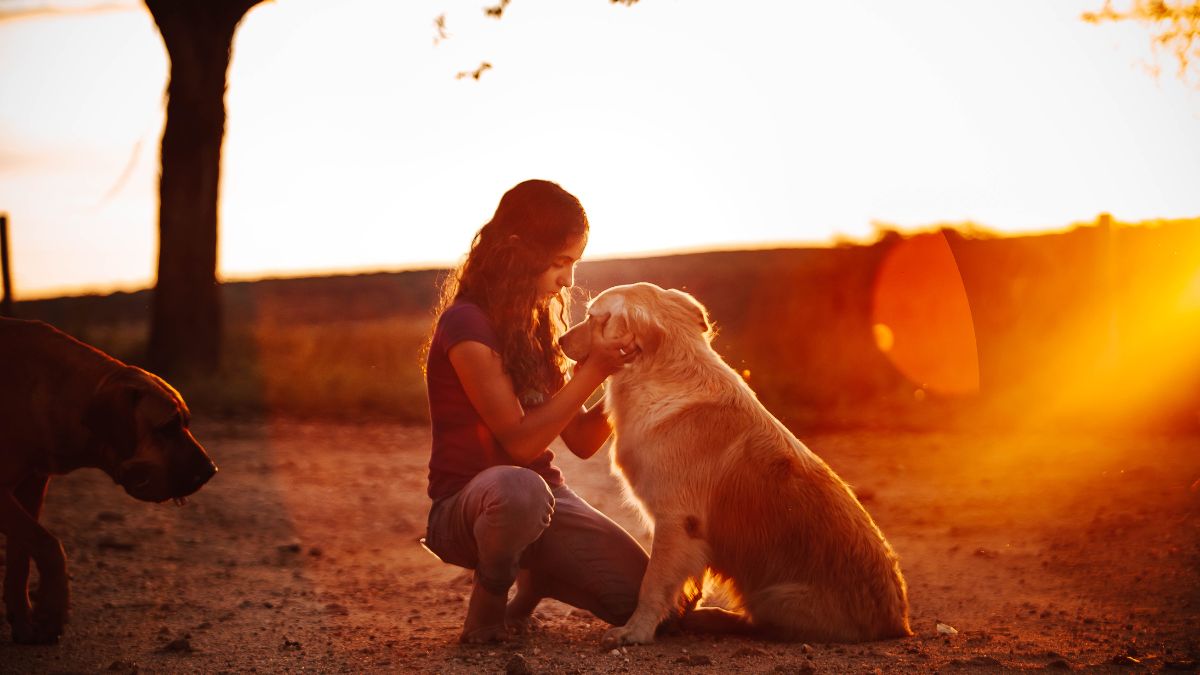
Designing a home that suits both humans and pets has become a growing priority for many households across the United States. Dogs, cats and other companion animals are increasingly considered family members, and interior design is evolving to reflect this shift. With thoughtful planning, homes can be comfortable, stylish and practical—without compromising on aesthetics. From durable materials to smart storage, pet-friendly design is about creating a safe and enjoyable environment for everyone who lives there.
Durable furniture and materials for a pet-friendly lifestyle
Choosing the right furniture materials is one of the most effective ways to make a home pet-ready. Families benefit from durable, easy-clean fabrics such as leather, tightly woven upholstery or performance textiles designed to resist stains and pet hair. Smooth finishes on wooden furniture also help prevent scratches from claws, while slipcovers are an excellent option for sofas and armchairs where pets are allowed.
Flooring plays a central role in pet-friendly design. Hard-wearing options like vinyl plank, tile or sealed hardwood offer a balance of durability and comfort. These surfaces are easier to clean than carpet and reduce the buildup of allergens. For added softness, washable rugs or pet mats provide cushioning without trapping odours or hair.
Creating dedicated pet zones
Designating specific areas for pets encourages better organisation and harmony in the household. Mudrooms, entryways or laundry rooms are ideal spots for feeding stations, storage baskets and grooming supplies. Built-in cabinets can help keep food, toys and cleaning products neatly tucked away.
For families with dogs, a pet wash station is a thoughtful addition. A low shower basin or handheld sprayer makes it easier to clean muddy paws after outdoor walks. Cat owners may benefit from concealed litter boxes, incorporated into furniture or cabinetry, which maintain cleanliness while preserving visual appeal.
Enhancing pet comfort and wellbeing with design
Pet-friendly homes consider comfort as an extension of functionality. Window perches, cosy beds and sunny resting spots allow pets to relax in areas where they can observe their surroundings. Cats enjoy vertical space, making shelves, climbing trees and wall-mounted platforms ideal features that support natural agility.
Outdoor areas also matter. Secure fencing provides safety, while pet-friendly landscaping avoids plants that may irritate paws or cause allergies. Artificial turf or durable grass varieties make maintenance simple, and shaded areas offer relief during warmer months.
Thoughtful décor choices that complement your pet
Living with animals does not mean compromising on style. Decorative baskets, enclosed bins and high-quality food bowls blend seamlessly with interior aesthetics. Families often choose neutral colour palettes and minimalist furniture to reduce clutter and highlight clean lines. This approach also makes pet accessories more cohesive with the overall design.
Wall hooks or organisers near entrances help store leads, harnesses and walking gear, making outings more efficient. Elevated beds or crates integrated into cabinetry ensure pets have private spaces without visually disrupting rooms.
Pet-friendly home design is about creating balance—spaces that are functional, safe and stylish. By selecting durable materials, organising dedicated pet zones and making thoughtful décor choices, families can enjoy interiors that support their animals’ comfort while maintaining a warm and welcoming home.
