
Every year, people wait until January to declare new goals and resolutions, only to see them fizzle out by February. But what if the best time to start fresh isn’t the new year at all? Increasingly, psychologists, productivity experts, and even cultural traditions suggest that October might be the true golden month for building habits that last.

October sits at a unique crossroads: the chaos of summer has passed, routines return with work and school, and the reflective mood of autumn encourages focus. The crisp change in weather signals renewal while providing a natural rhythm for behavior change. Research shows that people are more successful in sustaining habits when they align new routines with seasonal transitions — and October’s balance of energy and structure makes it a prime candidate.

The psychology of fresh starts: why october works

Psychologists have long studied what they call the fresh start effect — the tendency for people to adopt new habits when they perceive a meaningful new beginning. Research from the University of Pennsylvania found that individuals were more likely to commit to behavior change after temporal landmarks such as birthdays, holidays, or seasonal shifts. These moments create a psychological separation between “the old me” and “the new me,” making it easier to embrace fresh behaviors.

October functions as one of these natural landmarks. Unlike January, which often overwhelms people with pressure and unrealistic resolutions, October provides a quieter reset. The school year is in full swing, workplaces are back in rhythm, and the shorter days subconsciously signal a shift in priorities. This makes it easier for people to reflect and choose habits aligned with stability rather than impulse.

James Clear, author of Atomic Habits, emphasizes the importance of environment and timing in habit formation. October offers both: cooler weather encourages indoor activities like journaling, exercising at home, or cooking healthier meals. Meanwhile, fewer major holidays compared to December reduce distractions, giving habits time to stick before the year-end rush.

Additionally, October carries cultural weight. From Halloween to the anticipation of year’s end, the month feels like a chapter of transition. Psychologists at Stanford University argue that transitions, whether seasonal or personal, are ideal for establishing habits because the brain is more receptive to new cues. The falling leaves, earlier sunsets, and shifting routines act as subtle reminders that life is changing — making it easier to layer in new rituals.

In short, October provides the psychological framing people need: not the pressure of “new year, new me,” but the calm empowerment of “fall reset.”

Seasonal rhythms, health benefits, and habit formation

Science shows that seasons directly affect our behavior, mood, and even biology. October, positioned in the heart of autumn, offers unique advantages for habit-building because of its seasonal rhythms.

One key factor is circadian rhythm. As days shorten and nights lengthen, people naturally adjust to earlier bedtimes and slower evenings. The National Sleep Foundation notes that autumn often improves sleep quality due to cooler nights, a factor that enhances willpower and decision-making. Better rest creates a foundation for healthier habits, whether it’s exercising regularly or eating mindfully.

October also brings dietary opportunities. Farmers’ markets are filled with seasonal produce like squash, apples, pumpkins, and root vegetables, providing nutrient-dense ingredients that make healthy eating easier to adopt. Studies at Harvard University confirm that tying habits to seasonal foods increases adherence, as novelty and variety keep motivation high. Cooking hearty, colorful meals in October not only nourishes the body but anchors a ritual that can last through winter.

Physical activity also benefits from the season. Unlike the sweltering summer or frigid winter, October offers moderate temperatures that are ideal for outdoor exercise. Walking, running, or cycling under crisp skies and colorful foliage can make physical activity feel less like a chore and more like a pleasure. The American Heart Association emphasizes that positive emotional associations dramatically increase the likelihood of long-term habit maintenance.

October’s timing also helps with mental health habits. Journaling, meditation, or even mindful reflection feel more natural when paired with the contemplative mood of autumn. The American Psychological Association notes that fall often encourages introspection, making October an ideal month to begin habits tied to mindfulness and mental resilience.

Thus, October’s seasonal rhythms align biology, environment, and psychology. It’s a month when healthy choices feel supported by nature itself, making new habits less of a fight and more of a flow.

Cultural momentum: october as the launchpad before year’s end

Beyond science, October carries cultural and practical momentum that makes it a launchpad for lasting change. While January is crowded with lofty resolutions, October provides an underappreciated head start.

One reason October habits succeed is timing. If a person starts a new habit in October, they have three full months to practice before the new year. This means that by January, they aren’t scrambling with brand-new routines—they’re refining existing ones. Psychologists often call this the “compounding effect” of habit formation: the earlier you start, the more automatic the behavior becomes over time.

October also precedes the holiday season, a notoriously difficult period for maintaining healthy routines. By building habits in October, individuals establish momentum before the disruptions of Thanksgiving, Christmas, and New Year celebrations. For instance, someone who begins exercising regularly in October is more likely to stick with it through December indulgences than someone who starts cold in January.

Culturally, October is associated with transitions and thresholds. In many traditions, autumn marks the end of the agricultural year and the preparation for winter. The Celtic festival of Samhain, celebrated at the end of October, symbolized endings and beginnings, a time when people honored change and set intentions for the months ahead. This cultural memory still lingers, shaping how October feels like a pivot point in the year.

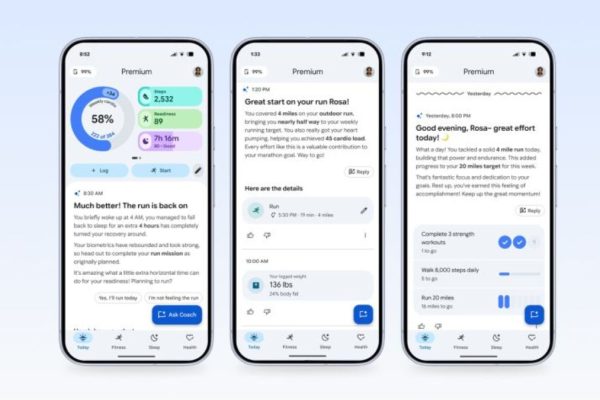
Modern productivity culture has also embraced October as a “reset month.” Wellness brands, fitness apps, and mindfulness platforms like Calm or Headspace often launch fall campaigns encouraging users to prepare for the year’s end strong. Social media trends—such as “October Reset Challenges”—tap into this cultural momentum, reinforcing the idea that October is a time for proactive growth.

In this way, October habits are both personal and collective. Starting fresh in October means aligning with a subtle cultural current that emphasizes reflection, readiness, and resilience. Instead of waiting until January, people who use October as their springboard often find they enter the new year with confidence rather than desperation.

Conclusion

October’s reputation as the best month for starting fresh habits is not just a matter of preference—it’s grounded in psychology, seasonal science, and cultural rhythm. The fresh start effect primes the mind for change, cooler weather and seasonal rhythms support healthier routines, and cultural traditions frame October as a moment of transition and opportunity.

Unlike the rushed optimism of January, October offers balance: the year is winding down, but not over; the days are shorter, but not bleak. It is a month of clarity, where reflection meets action, and where small choices can snowball into lasting transformation.

For anyone considering a new habit—whether fitness, mindfulness, or creative pursuits—October provides the perfect canvas. Start now, and by the time the new year arrives, those habits won’t be resolutions—they’ll be realities.

TOPICS: American Cancer Society American Heart Association American Psychological Association Apple Fitness+ Atomic Habits Calm App Charles Duhigg Deepak CHopra Fitbit harvard university James Clear Mayo clinic Mental Health America National Institutes of Health National Sleep Foundation Oprah Winfrey Oxford University Psychology Today Sleep Foundation Spotify Stanford University The Power of Habit Tony Robbins United Kingdom United States University of Pennsylvania WHOOP World Economic Forum World Health Organization Yale University Youtube