
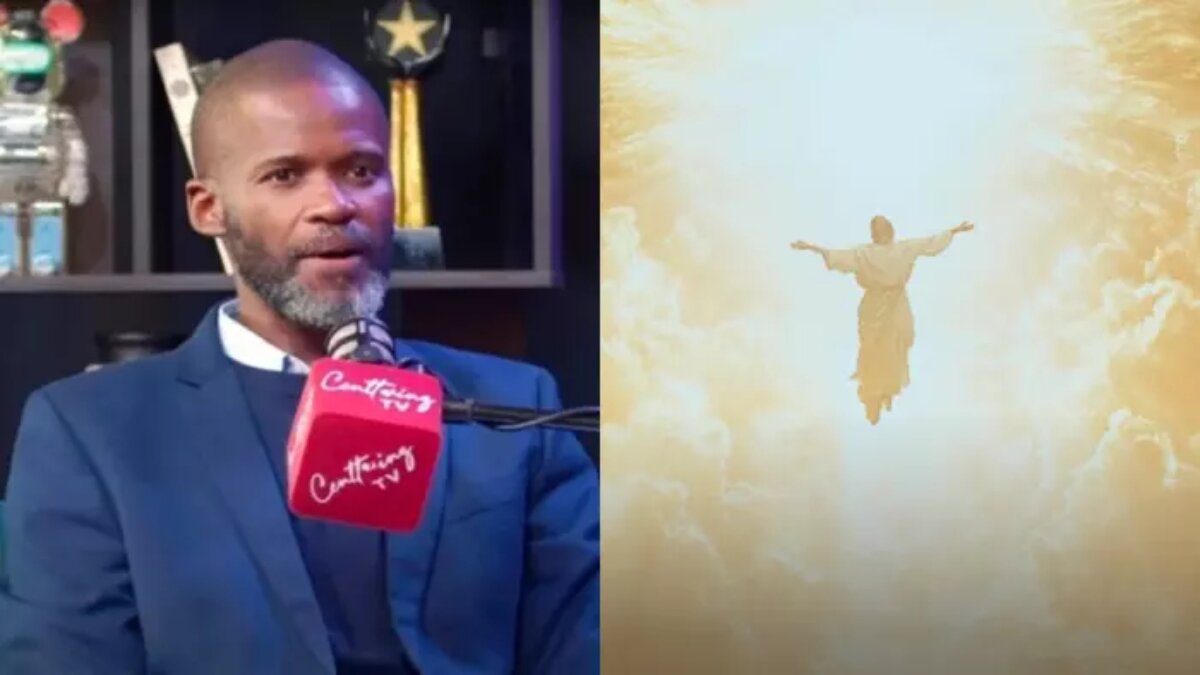
The recent buzz around the “Christian Rapture” is a textbook example of how modern social media amplifies apocalyptic predictions. It all started with South African pastor Joshua Mhlakela, who claimed to have received a divine vision forecasting Jesus’ return and the Rapture on September 23 or 24, 2025, coinciding with Rosh Hashanah, the Jewish New Year. In his interview with CettwinzTV, Joshua described a supernatural encounter, which quickly went viral, sparking the hashtag #RaptureTok on TikTok and spreading to X (formerly Twitter) and YouTube.
The Rapture, as some Christians believe, is an event in which true believers are suddenly taken up to meet Jesus in the air, often associated with the Second Coming of Christ. While the term “Rapture” doesn’t appear in the Bible, it is derived from passages such as 1 Thessalonians 4:13–17 and 1 Corinthians 15, which describe believers being transformed and caught up. Joshua’s prediction coinciding with Rosh Hashanah, a holiday where the shofar (ram’s horn) is traditionally blown, added symbolic weight, increasing the fervour online.
The social media response has been extreme. Some people reportedly sold their homes, cars, or quit jobs in preparation, believing they wouldn’t need earthly possessions. Others took a satirical approach, creating content like “Rapture Trip Tips” and mocking the idea for comedic effect. The trend has turned apocalyptic anxiety into both a spiritual and social media spectacle.
Historically, the Rapture has been incorrectly predicted before, from Harold Camping’s forecasts in 1994 and 2011 to other apocalyptic theories like the 2012 Mayan calendar or David Meade’s planetary alignments in 2017. Joshua Mhlakela’s prophecy fits into this long tradition of missed doomsday deadlines, yet social media has amplified it in real time, blending genuine belief with satire, entertainment, and widespread speculation.
In short, the #RaptureTok frenzy reflects both enduring religious beliefs and modern digital culture’s power to spread, magnify, and satirize apocalyptic predictions—whether or not the world actually ends.
