

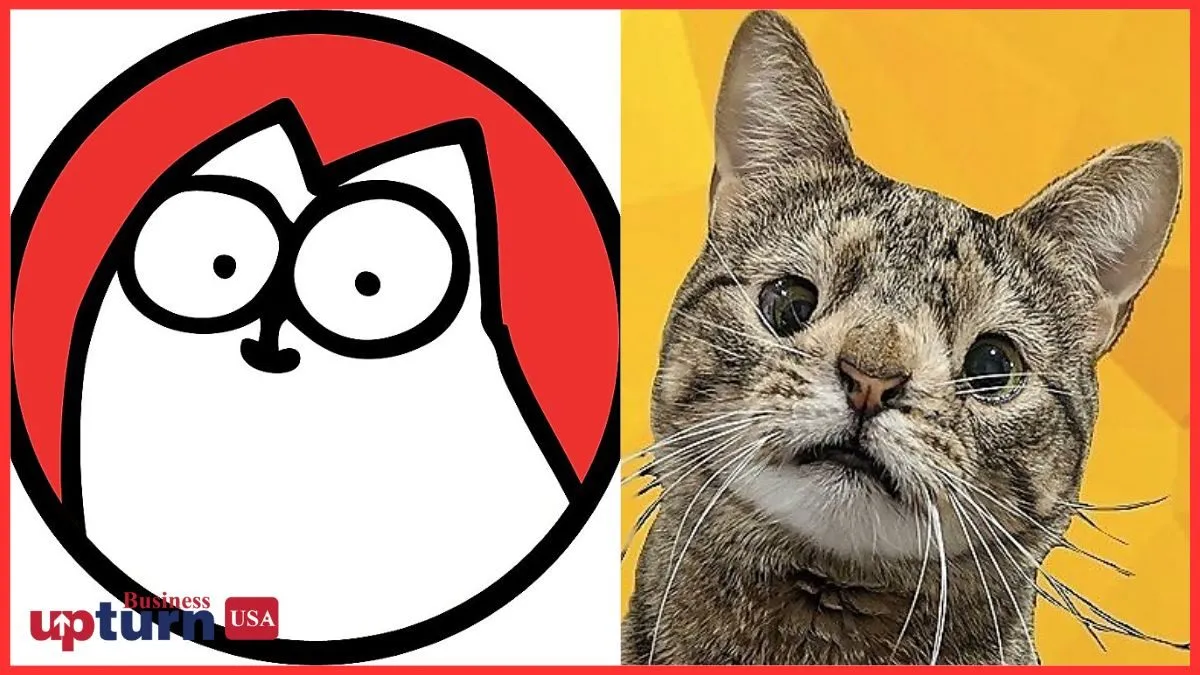
In today’s digital-first entertainment world, pet influencers are more than adorable internet stars — they are powerful business entities with diversified revenue streams. Among the most successful are Simon’s Cat, a beloved British animated feline, and Maya the Cat, a real-life rescue who charmed the world with her unique appearance and inspiring story. Both enjoy global recognition, yet their business models differ dramatically. This article explores their monetisation strategies, income sources, and U.S. market positioning to uncover what makes each a thriving digital brand.
Revenue Streams: Comparing How Simon’s Cat and Maya the Cat Earn
Both Simon’s Cat and Maya the Cat have built diverse revenue streams, but the foundation of their earnings differs in scope and structure. Simon’s Cat operates like a media company, while Maya embodies the charm of a rescue cat turned social media star.
For Simon’s Cat, revenue comes from multiple sources: advertising on YouTube, book sales, merchandise, animation licensing, and even mobile games. The business functions more like a digital entertainment studio than a single influencer account. By contrast, Maya the Cat’s income model leans toward community-driven sponsorships, product collaborations, and organic brand partnerships tied to her unique personality and her mission of advocating for rescue animals.
Merchandising as a Core Income Driver
Simon’s Cat has invested heavily in merchandising, offering everything from plush toys to calendars and branded stationery. These physical goods not only bring revenue but also extend brand visibility into the everyday lives of fans. In contrast, Maya the Cat’s merchandising has been more limited, focusing on niche items like themed apparel and rescue-support gear. Instead of aiming for mass-market retail dominance, Maya’s merchandising aligns with a values-driven narrative: supporting animal welfare organizations.
Monetisation Through Digital Platforms
Digital platforms are the lifeblood of any influencer business, and both Simon’s Cat and Maya the Cat have adapted to maximize revenue opportunities. However, their approaches reflect very different strategies.
Simon’s Cat thrives primarily on YouTube, where its animated shorts generate millions of views and steady ad revenue. YouTube’s Partner Program provides a strong baseline income, while the animations themselves act as evergreen content — attracting audiences long after release. Maya the Cat, meanwhile, depends more on Instagram and TikTok. These platforms favor short-form, personality-driven content, allowing her story to resonate directly with fans who value authenticity over polished production.
The Role of Social Media Algorithms in Growth
Simon’s Cat leverages YouTube’s recommendation engine, ensuring that fans binge multiple animations in a single session. This increases watch time and boosts ad impressions. Maya the Cat, on the other hand, benefits from Instagram’s visual-first format and TikTok’s viral culture, where emotionally resonant videos often gain traction quickly. Her revenue grows when brands see her high engagement rates as a path to connect with empathetic, rescue-friendly audiences in the U.S.
Brand Collaborations and Licensing Deals
Brand collaborations often define the maturity of a pet influencer’s business model. Simon’s Cat and Maya the Cat both secure partnerships, but their approaches are distinct.
Simon’s Cat has signed licensing deals with publishers, toy companies, and even gaming studios. These deals provide passive revenue streams and help extend the brand into global markets. By contrast, Maya the Cat collaborates mostly with pet product brands, especially those in the rescue and wellness sectors. These collaborations feel authentic to her community and reinforce her rescue cat identity.
Strategic Alignment with Brand Values
Simon’s Cat emphasizes wide-market appeal in licensing, allowing the character to feature in family-friendly products across demographics. Maya, however, carefully chooses partnerships that align with her message of inclusivity and animal welfare. For U.S. audiences, this strategy resonates deeply because it combines storytelling with cause-driven marketing. Brands that want to associate with authenticity often view Maya as an ideal collaborator.
Audience Engagement and Community-Building Strategies
Both influencers thrive because of their ability to build loyal fan communities, yet their methods reflect their identities.
Simon’s Cat nurtures a fanbase through regular animated uploads, interactive posts, and behind-the-scenes content. The humor-driven storytelling keeps audiences engaged and encourages sharing across multiple demographics. Maya the Cat relies on emotional storytelling — highlighting her rescue journey and daily quirks — to foster a sense of belonging among fans who value imperfection and empathy.

Turning Followers into Advocates
Simon’s Cat fans often become repeat consumers, purchasing multiple products over time. The brand’s ability to maintain consistency ensures strong retention. Maya’s audience, meanwhile, transforms into advocates who not only engage but also promote rescue awareness. Her community doesn’t just follow; they participate in a cause, making engagement levels particularly meaningful in the U.S. pet market where animal adoption campaigns are popular.
U.S. Market Positioning and Opportunities
While Simon’s Cat originates from the U.K. and Maya the Cat from Europe, both have carved strong positions in the U.S. market. Their strategies reflect different opportunities in America’s massive pet-loving culture.
Simon’s Cat appeals broadly to American audiences who enjoy animated storytelling and family-friendly humor. The brand’s licensing deals make it easy for U.S. retailers to carry products that already have global recognition. Maya the Cat, however, appeals strongly to niche American communities focused on rescue, diversity, and inclusivity. Her story resonates with Gen Z and millennial audiences in particular, groups who prioritize authenticity in influencer marketing.
Growth Potential in the U.S. Pet Economy
Simon’s Cat can continue scaling in the U.S. by expanding into streaming services or even television partnerships, strengthening its entertainment value. Maya’s potential lies in aligning with nonprofit organizations, U.S.-based rescue shelters, and pet product companies that embrace social impact branding. These opportunities reflect the dual strength of the American market: a demand for both polished entertainment and heartfelt advocacy.
Business Scalability and Long-Term Sustainability
Scalability is essential for any influencer brand aiming to thrive long-term. Simon’s Cat’s model is built for scale, while Maya’s emphasizes authenticity over mass expansion.
Simon’s Cat is structured like a studio, with the ability to expand content production, licensing, and merchandising without relying heavily on a single platform. This diversification ensures long-term sustainability even if platform algorithms change. Maya the Cat, however, scales more through depth than breadth. Her growth depends on building a deeper bond with her existing community rather than creating mass-market products. Sustainability for Maya comes from authenticity, trust, and alignment with meaningful causes.
Risks and Opportunities for Longevity
Simon’s Cat faces the challenge of maintaining creativity in its storytelling — a requirement for keeping audiences engaged over decades. Maya, on the other hand, must balance growth with authenticity, avoiding over-commercialization that could alienate her core audience. For both, sustainability depends on striking the right balance between monetisation and maintaining the emotional connection that made them famous.
Final Unique Angle: Simon’s Cat and Maya the Cat as Models of Two Different Influencer Economies
Here’s an angle not often discussed: Simon’s Cat and Maya the Cat represent two very different archetypes of the U.S. influencer economy. Simon’s Cat reflects the studio-driven model, where the influencer operates like a digital entertainment company with diversified assets and licensing deals. Maya the Cat reflects the community-driven model, where authenticity, advocacy, and niche branding form the backbone of monetisation. Together, they showcase how the pet influencer industry mirrors broader shifts in U.S. digital business — one side professionalized and scalable, the other grassroots and purpose-led. Their coexistence highlights the richness of the influencer market, proving that both corporate-style operations and heartfelt advocacy can thrive side by side in America’s digital economy.
This article is intended solely for informational and editorial purposes. It does not constitute endorsement or promotion of any artificial intelligence technology. Business Upturn makes no representations or warranties regarding the accuracy, completeness, or reliability of the information provided.