
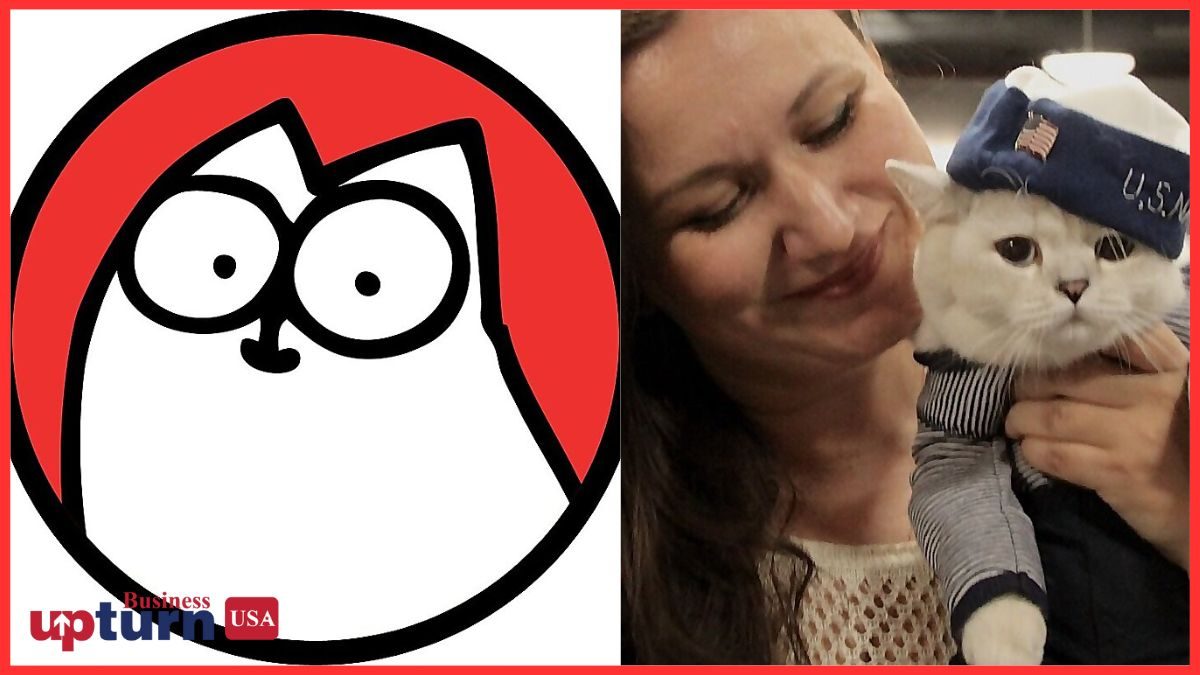
In today’s digital economy, creative influencers are no longer just entertainers — they are sophisticated brands with carefully crafted revenue systems. Among the most fascinating case studies are Simon’s Cat, the animated British feline who has captured the hearts of millions, and Anna Kreynina, the Russian-born lifestyle and fashion influencer with a global following. While their creative styles are worlds apart — one revolves around quirky animation while the other thrives on visual storytelling and personal branding — both have built impressive businesses that U.S. audiences consume and support in unique ways.
This article dives into how Simon’s Cat and Anna Kreynina make money, exploring their monetization strategies, revenue streams, and business models with a U.S.-centric lens. From YouTube ad systems and merchandise to sponsorships and licensing, we’ll see how these creators have built businesses that appeal to both niche fanbases and mass-market American consumers.
How Simon’s Cat Monetizes Animation in the U.S. Market
Simon’s Cat began as a simple hand-drawn animation uploaded to YouTube in 2008, yet today it is one of the most recognizable pet-themed animation franchises in the world. For U.S. viewers, it blends nostalgic Saturday-morning cartoon charm with bite-sized modern entertainment. The monetization strategy behind Simon’s Cat reflects a mature business model that takes full advantage of the American appetite for animated content.
The primary income stream is YouTube ad revenue, where Simon’s Cat benefits from YouTube’s Partner Program. With millions of subscribers in the U.S., the channel generates consistent income from pre-roll and mid-roll ads. Because American advertisers often pay higher CPM (cost per thousand views) rates compared to other regions, U.S. viewership is particularly valuable. Videos that cross over into family-friendly categories are also favored by advertisers, giving Simon’s Cat a stable flow of ad dollars.
Simon’s Cat Books, Merch, and U.S. Licensing Deals
Beyond YouTube, Simon’s Cat has diversified into books, merchandise, and licensing. The books — quirky collections of the cat’s antics — have become popular in U.S. bookstores and online retailers like Amazon. These sales tap into both pet lovers and fans of British humor, offering recurring royalties.
Merchandise plays another key role. From plush toys to mugs and T-shirts, Simon’s Cat products are shipped globally, with the U.S. serving as one of the strongest markets. The rise of online shopping platforms like Etsy, Shopify, and official webstores has allowed the brand to monetize directly from fans in Los Angeles, New York, and beyond. Additionally, licensing deals with U.S.-based brands and media networks extend the reach — such as collaborations for animated shorts on streaming services or mobile games. This creates an ecosystem where Simon’s Cat generates revenue both directly (sales, ads) and indirectly (licensing royalties, brand recognition).
How Anna Kreynina Builds Revenue through Lifestyle Branding
Anna Kreynina’s rise is an entirely different model — rather than creating fictional animation, she monetizes her personal brand. For U.S. audiences, Anna is not just an influencer but a window into aspirational lifestyle content that merges fashion, beauty, and travel. Her Instagram and YouTube presence cater to global trends while resonating with young American women who value aesthetics, self-expression, and modern femininity.
Anna’s primary revenue source is sponsorships and brand partnerships. U.S. fashion, beauty, and wellness companies are eager to work with international influencers like her because they reach audiences outside of typical U.S. celebrity culture. From promoting skincare routines to fashion hauls, Anna integrates sponsored products seamlessly into her content. These partnerships often include flat fees, affiliate commissions, or hybrid models depending on the brand’s strategy.
Anna Kreynina’s Merchandising and Digital Product Strategy
Like Simon’s Cat, Anna Kreynina has tapped into merchandise — but with a focus on fashion-forward items. Her curated collections of apparel, accessories, or co-branded lines resonate with U.S. audiences who follow European fashion aesthetics. Many U.S. fans purchase these products for exclusivity, since they often feel less commercialized than mass-market U.S. influencer merch.
Another growing income stream for Anna is digital products and online classes. Lifestyle influencers increasingly offer courses on personal branding, style curation, or content creation — and Anna has positioned herself as both a creator and mentor. For U.S. consumers, who often see influencer culture as aspirational entrepreneurship, paying for her digital expertise feels like investing in self-improvement. These offerings often come with higher profit margins than physical merchandise, making them particularly lucrative.

YouTube vs Instagram: Different Monetization Engines
A key distinction between Simon’s Cat and Anna Kreynina lies in platform economics. Simon’s Cat relies heavily on YouTube’s algorithm-driven distribution. YouTube Shorts, in particular, have boosted Simon’s Cat’s visibility in the U.S., driving higher ad revenue through short, bingeable clips. This aligns perfectly with American viewing habits, where quick, shareable content dominates.
Anna Kreynina, on the other hand, thrives on Instagram and TikTok, platforms that prioritize aesthetic visuals and influencer-driven engagement. U.S. fashion and lifestyle advertisers often allocate larger budgets to Instagram influencer campaigns compared to YouTube, making Anna’s brand collaborations a central source of income. Unlike Simon’s Cat’s passive ad revenue, Anna’s monetization is far more negotiation-based, depending on her ability to secure partnerships and maintain audience trust.
The Role of Fan Engagement in Building Revenue
Both Simon’s Cat and Anna Kreynina thrive on fan engagement, but the methods differ. For Simon’s Cat, fan loyalty is built through storytelling — the cat’s silent, universal humor transcends language barriers, making it especially appealing to diverse U.S. audiences. Fans often purchase merchandise not just as products but as symbols of belonging to a global community of pet lovers.
Anna’s engagement is more intimate. She shares snippets of her personal life, fashion inspiration, and wellness routines, creating a parasocial relationship with U.S. followers. This deeper connection translates into higher influencer trust, a key metric for brand deals. Fans are more likely to buy a beauty product she recommends than a random ad they see on TV, making her influence incredibly valuable to U.S. marketers.
Sponsorships, Collaborations, and U.S. Brand Partnerships
Simon’s Cat collaborations often involve licensing deals with U.S. entertainment and retail brands. For instance, mobile gaming partnerships or co-branded pet product lines allow the franchise to monetize in ways that go beyond ads and merch. This fits well with the U.S. trend of character licensing, where animated icons become part of everyday consumer goods.
Anna Kreynina, in contrast, directly collaborates with brands through influencer campaigns. U.S.-based companies in fashion, fitness, and lifestyle sectors often turn to her to expand their reach into global markets while also appealing to trend-conscious American buyers. This reflects a people-driven sponsorship model rather than a character-driven one.
Comparing Longevity and Scalability of Their Business Models
One fascinating comparison for U.S. readers is longevity. Simon’s Cat is a franchise-driven business with scalability similar to classic American animated brands like Garfield or Snoopy. Its income model can survive even if the original creator steps back, because the character itself carries the brand. This makes Simon’s Cat more resilient to shifts in digital platforms.
Anna Kreynina’s model, however, is personality-dependent. Her business thrives as long as she maintains personal relevance and audience trust. While this can be more volatile, it also allows her to pivot quickly into new niches — from wellness to fashion tech — depending on cultural trends. U.S. readers will recognize this as the classic difference between intellectual property-driven franchises and personal branding-driven influence.
The Unique Cultural Impact on U.S. Audiences
Interestingly, both creators have influenced U.S. culture in subtle ways. Simon’s Cat reinforces America’s ongoing love affair with pets, encouraging fans to see cats not just as companions but as entertainment icons. Many fans note that watching Simon’s Cat has even influenced their decision to adopt cats.
Anna Kreynina, meanwhile, contributes to U.S. interest in global fashion and lifestyle trends. Her content highlights how American audiences are increasingly looking beyond Hollywood celebrities for style inspiration, embracing international creators as aspirational figures. This globalization of influencer culture broadens the U.S. market, making space for voices outside the traditional entertainment hubs.
Conclusion: Two Complementary Creative Economies
At first glance, Simon’s Cat and Anna Kreynina couldn’t be more different: one is a cartoon cat, the other a glamorous lifestyle influencer. Yet their business models reveal how digital creativity has split into two complementary economies.
Simon’s Cat represents the animation-based franchise economy, where intellectual property can outlive its creator and scale globally through licensing, merchandise, and media syndication. Anna Kreynina embodies the personal branding-driven economy, where authenticity and relatability translate into brand partnerships and lifestyle product sales.
For U.S. readers, the surprising insight is this: both models reflect not competition but synergy. Together, they show how American consumers are shaping a world where fictional characters and real influencers coexist, influencing everything from pet culture to fashion choices. In many ways, Simon’s Cat and Anna Kreynina prove that the future of global creativity is not one model over the other, but the blending of franchise-driven icons and personality-driven branding — a dual economy where U.S. audiences are at the very center.
This article is intended solely for informational and editorial purposes. It does not constitute endorsement or promotion of any artificial intelligence technology. Business Upturn makes no representations or warranties regarding the accuracy, completeness, or reliability of the information provided.