

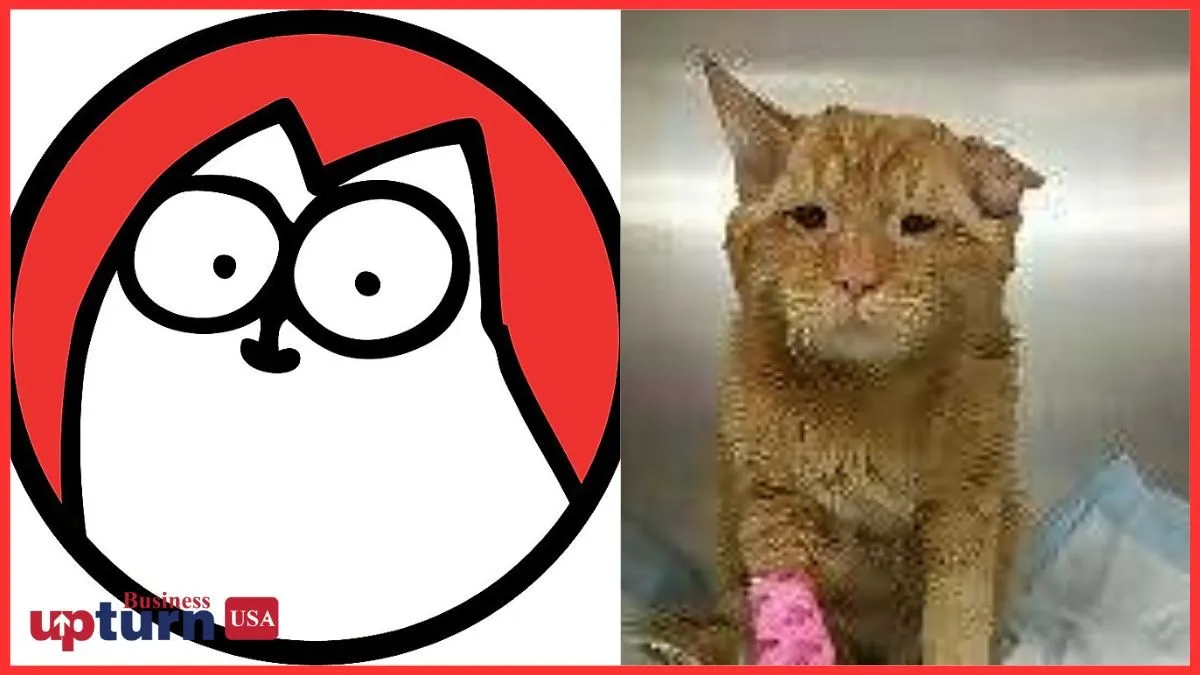
Pet influencers are no longer just internet curiosities — they are full-fledged businesses shaping entertainment, marketing, and even philanthropy. Among the most globally recognized names in this space are Simon’s Cat, a British-born animated feline with millions of fans worldwide, and BenBen the Cat, a real-life rescue cat from Canada who has captured hearts with his “saddest cat” turned “happiest cat” story. While both have roots outside the United States, their business models thrive on American audiences, who consume their content, buy their merchandise, and support them in ways that reveal how pet influencer revenue in the USA has evolved into a powerful niche industry.
This article takes an in-depth look at the Simon’s Cat business model versus BenBen the cat income streams, uncovering how each approaches monetization, which strategies resonate most with U.S. fans, and what their paths tell us about the future of pet influencer marketing in the U.S.
The Foundations of the Simon’s Cat Business Model
Simon’s Cat began in 2008 as a simple animated short on YouTube, created by British animator Simon Tofield. What started as a funny sketch of a cat pestering its owner for food has since grown into a multimedia empire with a wide range of monetization strategies for pet influencers.
American audiences, who make up a substantial portion of Simon’s Cat’s fan base, interact with the brand across platforms including YouTube, Facebook, Instagram, TikTok, and print media. For U.S. fans, Simon’s Cat serves as both a source of humor and a nostalgic connection to traditional animation, offering something different from live-action pet influencers.
The Simon’s Cat business model is built on four strong revenue pillars: YouTube ad revenue for pets, publishing deals, merchandise sales, and brand licensing.
YouTube Ad Revenue and Platform Partnerships for Simon’s Cat
At the heart of Simon’s Cat’s financial success is its YouTube channel, which has garnered billions of views. For U.S. viewers, YouTube is the primary gateway to Simon’s Cat content, making ad revenue a steady stream of income.
Thanks to its family-friendly appeal, Simon’s Cat videos attract premium advertisers in the U.S. market — including pet food brands, toy manufacturers, and lifestyle companies targeting households. YouTube’s algorithm favors consistent, shareable content, and Simon’s Cat delivers precisely that, keeping American fans returning for short animated clips that fit neatly into social media culture.
Additionally, Simon’s Cat has partnered with YouTube Premium and other digital streaming services, earning income from subscription-based viewership, which is particularly strong in the U.S., where audiences increasingly prefer ad-free experiences.
Books, Merchandise, and Licensing: Simon’s Cat in American Homes
Simon’s Cat didn’t just stay on the screen — it leapt into book publishing, apparel, toys, calendars, and home décor. U.S. publishers recognized the demand for humorous, lighthearted pet-related content, leading to multiple Simon’s Cat books sold across Barnes & Noble, Amazon, and independent bookstores.
Merchandising is a huge slice of the Simon’s Cat business model. From plush toys and mugs to limited-edition prints, American fans love collecting tangible products that represent the animated feline. This extends into licensing deals, where Simon’s Cat appears on puzzles, mobile games, and even themed pet accessories. These deals ensure a steady income stream beyond digital platforms and cement Simon’s Cat’s presence in the U.S. retail landscape.
The Roots of BenBen the Cat Income Streams
In contrast to Simon’s Cat’s polished animation empire, BenBen the Cat’s business model is built on authenticity, rescue advocacy, and emotional storytelling. Known as the “saddest cat on the internet” after being rescued with severe injuries and a permanently droopy expression, BenBen represents a very different side of pet influencer marketing in the U.S.
American audiences, in particular, have connected with BenBen’s resilience and transformation. Unlike fictional animated cats, BenBen’s brand thrives on real-life relatability, philanthropy, and the broader rescue pet movement that resonates strongly with U.S. animal lovers.
BenBen’s revenue model focuses on donations, merchandise, sponsored collaborations, and social media monetization.
Donations, Crowdfunding, and Rescue Advocacy
BenBen’s business model includes direct fan support — something Simon’s Cat doesn’t rely on heavily. Through platforms like Patreon, GoFundMe, and direct website donations, U.S. fans contribute financially to BenBen’s care and to broader rescue initiatives the cat’s owners support.
For many American followers, this is not just about supporting a pet influencer; it’s about being part of a community that stands for animal welfare. This emotional connection translates into a sustainable income stream while reinforcing BenBen’s brand identity as a symbol of hope and compassion.
Additionally, BenBen’s presence at U.S. animal welfare events and partnerships with American shelters amplifies both his visibility and his potential for revenue tied to advocacy-driven collaborations.
Merchandise and Social Media Monetization for BenBen
Like Simon’s Cat, BenBen also sells merchandise, but his strategy leans heavily toward emotionally resonant items. Apparel, mugs, and calendars often feature his unique face, with proceeds sometimes going toward rescue work. This dual-purpose approach — revenue plus philanthropy — resonates strongly with U.S. consumers, who increasingly prefer to support brands aligned with a cause.
On social platforms like Instagram, TikTok, and Facebook, BenBen leverages sponsored content and affiliate marketing, particularly with pet product companies targeting the American market. While his scale is smaller than Simon’s Cat, his engagement rates in the U.S. are often higher, proving that authenticity can compete with high production value in terms of marketing impact.
Comparison of Pet Influencer Business Models: Simon’s Cat vs BenBen
When comparing the Simon’s Cat business model with BenBen the cat income streams, several clear differences emerge that highlight broader lessons in how pet influencers make money in the U.S.
-
Content Format:
Simon’s Cat relies on polished animation, while BenBen thrives on raw, real-life storytelling. U.S. audiences consume both, but the appeal differs: one offers escapism, the other offers empathy. -
Primary Income Sources:
Simon’s Cat generates the bulk of its income through YouTube ad revenue, merchandise, and licensing, whereas BenBen depends more on donations, merchandise with a cause, and sponsored posts. -
Audience Engagement:
Simon’s Cat monetizes mass appeal, while BenBen monetizes niche advocacy. Both approaches resonate with U.S. fans but for entirely different emotional reasons. -
Scalability:
Simon’s Cat operates like a media franchise, scalable across books, games, and TV adaptations. BenBen’s brand is more personal and less scalable, but it benefits from deeper trust and loyalty from American fans.
Why U.S. Audiences Drive Their Success
Both Simon’s Cat and BenBen owe a significant portion of their success to their American audiences, who play a unique role in shaping global pet influencer economics.

In the U.S., where pet ownership rates are among the highest in the world, consumers eagerly support brands that reflect their love for animals. Simon’s Cat appeals to U.S. audiences seeking humor and nostalgia in everyday cat behaviors, while BenBen appeals to those motivated by compassion and advocacy.
Moreover, U.S. consumers are accustomed to supporting creators through both traditional purchases (books, merchandise) and direct patronage (Patreon, donations). This dual revenue acceptance makes the U.S. one of the most lucrative markets for pet influencers.
The Future of Pet Influencer Revenue in the USA
Looking ahead, the comparison of pet influencer business models between Simon’s Cat and BenBen suggests that the U.S. market will continue to diversify its support for both large-scale media brands and grassroots rescue-based influencers.
Simon’s Cat may expand further into streaming services or educational children’s programming in the U.S., while BenBen’s model could evolve into greater partnerships with nonprofits, therapy programs, or even mental health campaigns centered around pets.
One fascinating possibility lies in AI-generated pet content. Simon’s Cat, as an animated brand, could harness AI to produce personalized shorts for U.S. fans, while BenBen’s story-driven model could inspire AI-driven charitable campaigns, simulating rescue narratives that encourage real-world donations.
Conclusion: Two Cats, Two Models, One Big Lesson for the U.S.
Simon’s Cat and BenBen the Cat may appear worlds apart — one is a cartoon, the other a rescue — but both showcase how monetization strategies for pet influencers have evolved in the U.S. market. Simon’s Cat demonstrates the scalability of pet influencers into full-fledged media franchises, while BenBen shows the power of authenticity and compassion-driven revenue.
Together, they highlight that pet influencer marketing in the U.S. is not just about cute animals but about building meaningful connections with audiences. Whether through laughter or empathy, merchandise or donations, animation or advocacy, these cats prove that American fans are willing to support pets that enrich their lives.
And perhaps the most unexpected future angle? These models could inspire new industries in the U.S. — from educational AI-pet programs for kids to therapy-based pet influencer collaborations for mental health. In other words, Simon’s Cat and BenBen aren’t just shaping how pets make money online; they’re helping define the next frontier of how humans and animals connect through business, technology, and storytelling.
This article is intended solely for informational and editorial purposes. It does not constitute endorsement or promotion of any artificial intelligence technology. Business Upturn makes no representations or warranties regarding the accuracy, completeness, or reliability of the information provided.