
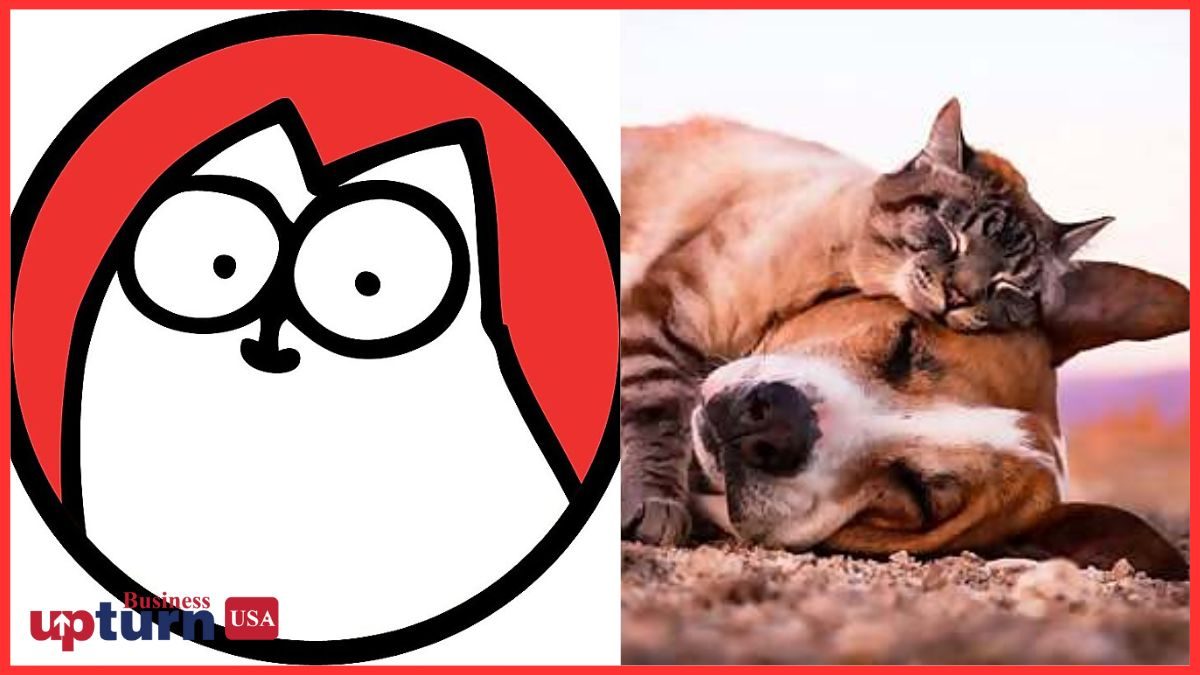
Simon’s Cat and Henry & Baloo are two pet influencer phenomena that have captured the hearts of millions of followers across the U.S. Simon’s Cat, the charming animated feline, has entertained audiences with witty, relatable content for over a decade. Meanwhile, Henry & Baloo, a dynamic duo of real-life pets, has quickly gained a strong following through engaging social media content. Both have become more than just adorable faces—they are thriving businesses with sophisticated monetization strategies that appeal to American audiences.
This article explores how Simon’s Cat and Henry & Baloo earn money, detailing their business models, revenue streams, and overall income generation strategies. From digital content to merchandise, brand partnerships, and beyond, these pet influencers exemplify the modern pet economy in the U.S.
Simon’s Cat Business Model Explained
Simon’s Cat has evolved from simple animated sketches into a diversified, revenue-generating powerhouse. The brand revolves around humor, relatable pet behaviour, and high-quality animation, appealing to both pet lovers and general audiences in the U.S.
The digital content strategy of Simon’s Cat includes YouTube videos, social media posts, and web series. YouTube has become a primary income source, leveraging ad revenue through the platform’s monetization system. With millions of views per video, ad placements generate consistent earnings. The brand also engages audiences on Facebook, Instagram, and TikTok, using short-form videos to maintain visibility and drive traffic to merchandise and books.
Licensing deals and merchandise are another cornerstone of Simon’s Cat business model. From plush toys and clothing lines to stationery and home décor, the brand capitalizes on its widespread appeal. Book publishing deals extend the brand further, providing revenue while strengthening the connection with fans.
Merchandise and Licensing Revenue Streams
Simon’s Cat’s merchandise portfolio is extensive. Licensed products include:
- Plush toys and figurines
- Apparel such as t-shirts and hoodies
- Stationery, calendars, and home décor items
- Mobile apps and video games
Licensing agreements allow other companies to produce and sell products featuring Simon’s Cat characters, providing a steady royalty-based income. These agreements are particularly lucrative in the U.S., where pop culture merchandise has strong consumer demand.
Digital Content and YouTube Monetization
YouTube serves as both a marketing platform and a revenue source. Simon’s Cat videos earn through:
- AdSense: Ads displayed during video playback generate income based on views and clicks.
- YouTube Premium revenue: Subscribers contribute to income when they watch content.
- Super Chat and memberships: Some videos leverage YouTube features allowing fans to support creators directly.
High engagement rates among U.S. audiences increase CPM (cost per thousand impressions), making the platform highly profitable.
Brand Collaborations and Sponsorship Deals
Simon’s Cat has partnered with brands that align with its family-friendly, pet-oriented identity. These collaborations include:
- Pet product companies for co-branded items
- Media campaigns promoting family entertainment
- Event sponsorships and promotional content for pet-centric brands
By integrating sponsored content naturally into videos and social posts, Simon’s Cat maintains authenticity while generating significant revenue.

Henry & Baloo Business Model Explained
Henry & Baloo, a real-life pet duo, have become prominent social media influencers, captivating audiences with lifestyle, humorous, and heartwarming content. Unlike Simon’s Cat, which is animated, Henry & Baloo leverage the charm of their real pets to create a personal and relatable connection with followers.
Their business model revolves around social media platforms like TikTok, Instagram, and YouTube. TikTok, in particular, provides viral potential and fast audience growth in the U.S. market. By posting short, engaging videos, the duo maximizes reach and attracts sponsorships, affiliate marketing opportunities, and brand collaborations.
Henry & Baloo monetization strategies include sponsored content, affiliate marketing, and merchandise collaborations. Sponsored posts on Instagram or TikTok are a primary revenue stream, with brands paying for exposure to the duo’s engaged audience. Affiliate marketing further enhances income, where the duo earns a commission for promoting products, typically pet-related items.
Influencer Marketing and Sponsored Content
Henry & Baloo work with brands across various categories, including:
- Pet food and accessories
- Lifestyle products appealing to pet owners
- Seasonal promotions and campaigns
Sponsored content is carefully curated to match their audience’s interests, enhancing engagement while providing a lucrative revenue source.
Merchandise, Product Lines, and Collaborations
Merchandise is an emerging but significant revenue stream for Henry & Baloo. Products include:
- Branded apparel and accessories
- Custom pet toys
- Limited edition collaborations with lifestyle brands
These products are often marketed directly through social media platforms, leveraging the duo’s online presence to drive sales in the U.S. market.
Social Media Growth and Audience Engagement
Audience size directly influences income. Henry & Baloo’s approach focuses on:
- Consistent posting schedule
- Engaging challenges, reels, and trends
- Interactive content to maintain follower loyalty
Large, engaged audiences increase the appeal to brands and boost monetization opportunities through higher sponsored content fees and affiliate revenue.
Comparative Analysis of Simon’s Cat vs Henry & Baloo Business Models
Both Simon’s Cat and Henry & Baloo leverage digital platforms, merchandising, and brand collaborations, yet they differ in execution. Simon’s Cat benefits from a strong, established brand with licensing deals and a robust YouTube presence. Its animated content allows for scalable product development and broad audience appeal.
Henry & Baloo, on the other hand, thrive on relatability and the authentic charm of real pets. Their monetization heavily relies on influencer marketing, sponsored content, and social media virality. While they are newer in the market, their engagement-driven strategy taps directly into current U.S. social media trends, making them attractive for modern brands targeting younger demographics.
In terms of U.S. market appeal, Simon’s Cat succeeds in a cross-generational manner, leveraging nostalgia and humor, while Henry & Baloo excel with teens and young adults through viral short-form content.
Unique Insights and Lesser-Known Business Aspects
Some lesser-known aspects of these business models include:
- Simon’s Cat strategically releases seasonal content that aligns with U.S. holidays, boosting merchandise sales.
- Henry & Baloo often collaborate with micro-influencers, creating a network effect that amplifies brand partnerships.
- Both invest in audience analytics to optimize content, ensuring higher engagement and better monetization.
These nuanced strategies highlight how pet influencers not only entertain but also operate like sophisticated media companies.
Conclusion: How U.S. Viewers Benefit from These Pet Influencer Models
Simon’s Cat and Henry & Baloo showcase how creativity and strategy combine to create thriving pet influencer businesses. For U.S. audiences, these models offer more than entertainment—they set trends, inspire consumer purchases, and even influence pet-related lifestyle choices.
By understanding their business models, viewers can appreciate the behind-the-scenes work that transforms adorable pets into successful brands. Whether it’s animated antics or real-life charm, these influencers exemplify the potential of pet-focused content in the modern U.S. digital economy.
Simon’s Cat business model and Henry & Baloo monetization strategies demonstrate that with creativity, engagement, and strategic partnerships, pet influencers can thrive in multiple revenue streams, delighting audiences while pioneering new paths in pet influencer revenue streams USA.
This article is intended solely for informational and editorial purposes. It does not constitute endorsement or promotion of any artificial intelligence technology. Business Upturn makes no representations or warranties regarding the accuracy, completeness, or reliability of the information provided.