

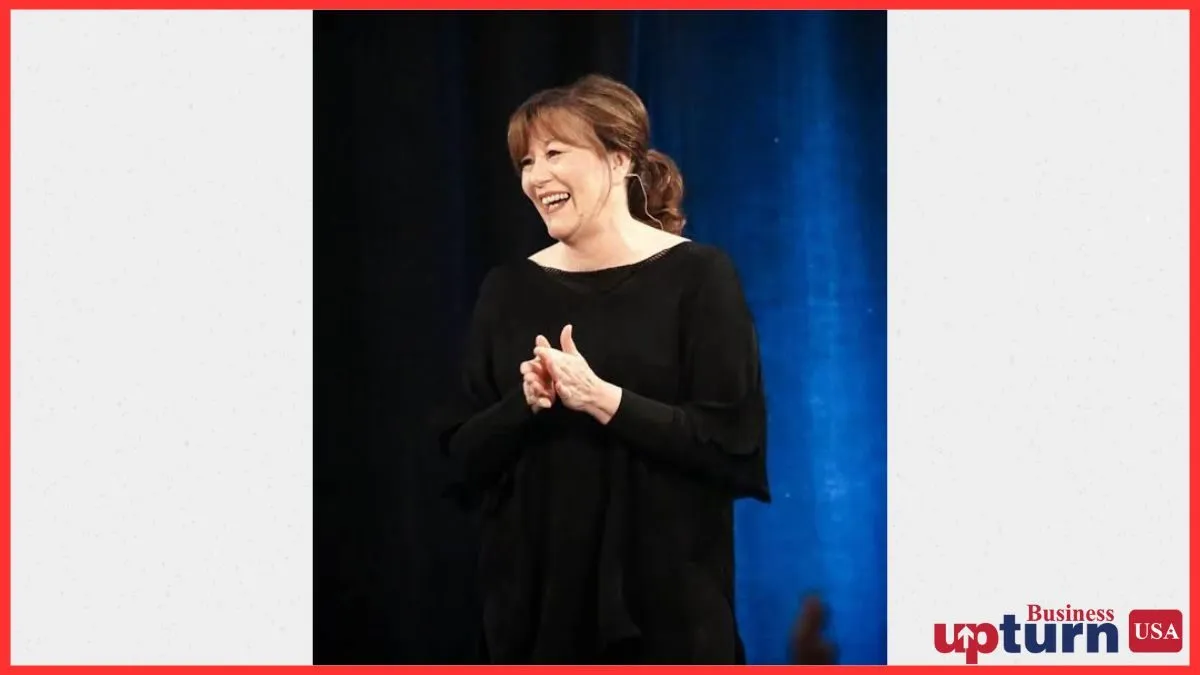
When Esther Hicks first began sharing the teachings of “Abraham”—a collective of non-physical entities she claims to channel—few could have predicted the empire that would follow. What began as a series of modest spiritual talks evolved into one of the most recognizable monetized personal development platforms in the U.S. By leveraging a unique positioning in the crowded self-help market, Esther Hicks transformed the Abraham-Hicks brand into a thriving business model encompassing physical products, digital content, and in-person experiences.
This was not an overnight transformation. Rather, Hicks and her late husband Jerry Hicks laid down a methodical business foundation: developing an identifiable brand voice, creating scalable content formats, tapping into emerging distribution channels, and mastering the art of long-tail audience engagement. In doing so, they not only fostered a loyal U.S.-based following but also built a self-sustaining ecosystem capable of generating multiple revenue streams.
Monetising Messages: The Diverse Revenue Streams That Fuel the Abraham-Hicks Brand
Books and Audiobooks: Consistent Sales in a Saturated Market
One of the earliest and most sustainable income streams for Esther Hicks is her prolific publishing record. Through books like Ask and It Is Given, Money and the Law of Attraction, and The Vortex, Hicks positioned the Abraham teachings into digestible, marketable packages. Published initially through Hay House—one of the largest New Age publishing houses in the U.S.—these titles consistently rank in self-help and spirituality bestseller lists on platforms like Amazon and Barnes & Noble.
Each book serves a dual function: it generates direct revenue while also acting as a gateway product that introduces readers to other offerings in the Hicks ecosystem. With audiobook versions available through Audible and digital formats sold via Kindle and Apple Books, Esther Hicks has maximised each title’s monetization potential across multiple platforms.
Live Workshops and Cruises: Premium Pricing, Loyal Attendance
A key financial pillar of the business is Esther Hicks’ ongoing series of live events and cruises. Priced between $200 to $600 per ticket—and significantly more for cruise packages—these gatherings are held across major U.S. cities and international locations, often selling out months in advance. These aren’t just events; they are premium experiences designed to immerse attendees in the Abraham teachings through extended Q&A sessions and networking opportunities.
Unlike one-off purchases, these workshops cultivate repeat attendees. Many fans build annual travel plans around Hicks’ calendar, creating a dependable revenue base. Moreover, event tickets are often bundled with branded merchandise, upselling opportunities, and early access privileges to online content—thus enhancing average revenue per customer.
Strategic Branding: Creating an Identity that Resonates with American Spiritual Seekers
Abraham as a Brand Persona
Esther Hicks’ most strategic branding move was anthropomorphising the entity “Abraham” into a consistent brand persona. In U.S. marketing, brand personification can build loyalty and trust—think Wendy’s social media voice or Flo from Progressive. Hicks applied this model spiritually. Abraham is not just an abstract concept but a “voice” that speaks consistently across books, videos, and events. This voice is calm, affirming, and authority-driven—qualities that resonate strongly with American consumers of wellness and self-help content.
By never deviating from this persona, Hicks ensures a cohesive brand identity across all touchpoints. Even when products are translated into other languages or redistributed globally, the core “voice of Abraham” remains intact, reinforcing brand continuity.
Visual Branding and Merchandise
The Abraham-Hicks website, packaging, and social media presence all maintain a soft, minimalist design—blues, purples, and soft whites dominate the palette. This aligns perfectly with the “vibrational alignment” philosophy she promotes and distinguishes the brand from louder, more aggressive self-help branding. The result? A visually soothing customer journey that subtly encourages engagement and purchase behavior.
Branded items like tote bags, affirmation cards, and journals are available on the official website, often promoted at live events. These are not mass-distributed via Amazon or Walmart; instead, Hicks retains full control over product pricing and distribution, ensuring quality and protecting brand equity.
YouTube and Digital Leverage: How Esther Hicks Monetises Her Online Presence
YouTube Monetisation Strategy
Esther Hicks’ official YouTube channel features hundreds of clips from past workshops, lectures, and fan testimonials. These videos are typically under 15 minutes long and optimized for searchability with keyword-rich titles like “Abraham Hicks: How to Attract Money Fast” or “Let Go and Let the Universe Work for You.” The channel has over a million subscribers and generates steady ad revenue through YouTube’s Partner Program.
But perhaps more importantly, these videos act as funnel content. Viewers drawn in through organic searches or social media shares are often directed toward higher-ticket items: books, event tickets, and premium audio downloads. This low-cost content serves as scalable, passive advertising that remains online indefinitely.
Website and Digital Downloads
The Abraham-Hicks website offers downloadable MP3s from live workshops, costing between $9 and $15 per session. These digital assets are updated regularly and cover a wide array of topics—from relationships and wealth to health and manifestation. This direct-to-consumer approach means Esther Hicks bypasses third-party platforms and retains 100% of the profit.
Additionally, the website features an email opt-in system offering a free “Daily Quote” email. This serves as a high-value, low-effort retention strategy, keeping users engaged and primed for future purchases.
The Engine Behind the Fanbase: Community as an In-Built Marketing Mechanism
Word-of-Mouth and Network Effects
Unlike many brands that rely heavily on paid advertising, the Abraham-Hicks business thrives on word-of-mouth. Fans often refer friends and family, share quotes on social media, and gift books during holidays or life milestones. Esther Hicks benefits from a self-replicating referral mechanism bolstered by emotional testimonials and grassroots evangelism.
This grassroots model is especially effective in the U.S., where the self-help industry is socially normalized and even celebrated. Hicks’ teachings often appear in therapy circles, coaching programs, and even on college campuses discussing consciousness and well-being.
User-Generated Content and Influencer Endorsements
Numerous YouTubers and podcasters in the personal development space reference Esther Hicks as an influence. While not official affiliates, these creators indirectly promote Hicks’ content to their own audiences, expanding her digital reach without incurring marketing costs. User-generated content—like reviews, unboxings of her merchandise, or “reaction videos” to her teachings—function as unpaid advertising, further entrenching the brand in the digital consciousness of U.S. consumers.
Licensing, Collaborations, and International Distribution
While Esther Hicks maintains strong control over her core content, select licensing agreements—primarily with Hay House and audiobook platforms—have enabled her to tap into secondary markets without diluting her brand. Her teachings have been translated into multiple languages, but the U.S. remains the central consumer base, both in terms of revenue and cultural relevance.
Hicks has also collaborated with meditation app platforms and audiobook distributors, extending her reach into mobile-first audiences, particularly younger U.S. adults using wellness apps as part of their daily routines.
Financial Sustainability Through Scalable Content
The Abraham-Hicks business model is notable for its reliance on evergreen content. Workshop recordings from a decade ago are still sold today. Unlike coaching models that rely on one-on-one interaction (and therefore time), Hicks scaled her insights into formats that require no ongoing labor—books, recordings, and pre-recorded courses.
This gives her a high profit margin and allows for long-term sustainability. Content that took one hour to record can yield returns for years. Moreover, her digital distribution model eliminates the need for large teams or inventory storage, making her business lean yet profitable.
Beyond Belief: What Most Analysts Miss About the Abraham-Hicks Business Model
What’s rarely discussed—especially from a U.S. entrepreneurial lens—is Esther Hicks’ almost complete absence from traditional marketing playbooks. She does not rely on Instagram influencers, PPC advertising, SEO optimization in the modern sense, or A/B testing campaigns. And yet, her brand flourishes.
Her model is built almost entirely on resonance: if the message clicks, the consumer self-selects into the ecosystem. Hicks doesn’t chase virality; she cultivates longevity. This is virtually unheard of in today’s growth-hacking obsessed business environment. Yet, for U.S. entrepreneurs looking for a more aligned, minimalist way to grow a personal brand, the Abraham-Hicks model offers a viable alternative: one built not on scale for scale’s sake, but on depth, clarity, and unwavering audience alignment.
Conclusion: A Blueprint for Purpose-Driven Entrepreneurship in the U.S.
Esther Hicks’ business model is a case study in niche domination. By leveraging consistent messaging, diversified revenue streams, and a resonant brand persona, she has built a multimillion-dollar enterprise without ever deviating from her original philosophy.
For aspiring U.S. entrepreneurs—particularly those in wellness, spirituality, or coaching—her model offers a rare blend of commercial success and brand integrity. And while the teachings of Abraham may remain controversial to some, the business engine behind them is anything but mystifying. It’s methodical, intentional, and above all—scalable.
(This article is intended for informational and editorial purposes only. It does not constitute endorsement or promotion of any individual, company, or entity mentioned. Business Upturn makes no representations or warranties regarding the accuracy, completeness, or reliability of the information provided)