
In the world of anime, few characters are as globally recognized as Son Goku from Dragon Ball. His strength, determination, and endless optimism have made him a beloved icon for decades. But beneath the power-ups, world-saving battles, and Kamehameha waves lies a more complicated conversation—Is Goku actually a bad father?
It’s a question that continues to spark intense debate in the fandom. For every fan who sees Goku as a lovable, well-meaning protector, there’s another who critiques his consistent absence, emotional distance, and questionable parenting choices.
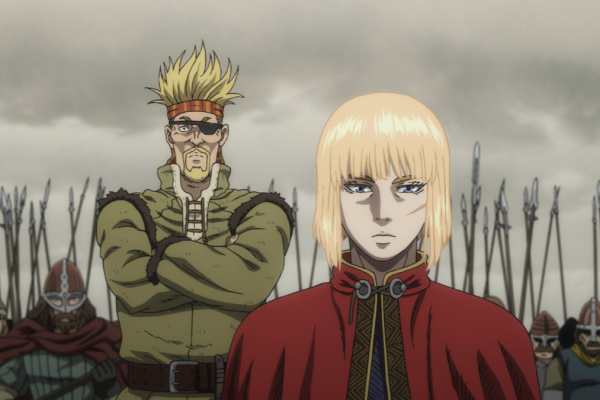
Unlike traditional father figures in anime like Maes Hughes from Fullmetal Alchemist or Thors from Vinland Saga, Goku often prioritizes training and fighting over spending time with his family. From missing Gohan’s childhood milestones to encouraging Goten to fight in life-threatening tournaments at a young age, Goku’s parenting has been called everything from clueless to negligent.
But is it fair to judge Goku by Earthly standards? Or are his choices shaped by the Saiyan culture, the context of constant world threats, and Dragon Ball’s unique tone?
Let’s break down the case for and against Goku’s fatherhood, with examples spanning Dragon Ball Z, Dragon Ball Super, and beyond.
Goku the Fighter: Always Absent, Rarely Present
One of the most frequent criticisms Goku receives is that he’s hardly around. After dying during the Raditz fight, he misses most of Gohan’s formative years, including his early training and school life.
Even after returning, Goku’s priorities tend to revolve around becoming stronger or preparing for the next battle rather than spending quality time with his children. This isn’t a one-time incident—his absences are a recurring theme throughout the franchise.
-
He chooses to stay in the afterlife after the Cell Games, despite being able to return.
-
He misses Goten’s birth entirely.
-
He leaves Earth again to train Uub at the end of Dragon Ball Z, right after peace is restored.
From a modern parenting perspective, Goku’s lack of emotional connection, guidance, and presence is hard to ignore.
Chi-Chi: The Real Parent Holding It Together
Another key figure in this debate is Chi-Chi, Goku’s wife and the person who ends up doing most of the parenting. While often portrayed comedically as “naggy” or overly strict, she is the one ensuring Gohan gets an education and Goten has some stability.
Chi-Chi’s struggle is relatable to many single parents in fiction and real life—forced to take on both parental roles while the other is physically or emotionally unavailable. Goku’s role often feels more like an adventurer who drops in occasionally rather than a consistent paternal figure.
This dynamic makes some fans question: is Goku’s light-hearted approach really charming, or is it a sign of emotional immaturity?
Goku’s Defense: Saiyan Upbringing & Personality
To be fair, Goku was not raised by traditional human standards. After arriving on Earth as a Saiyan infant with the mission to conquer, he suffers a head injury that erases his aggression. Raised by Grandpa Gohan, he grew up isolated and never experienced a traditional family structure or learned parental behavior.
Additionally, Saiyan culture—what little is revealed—suggests that familial bonds aren’t deeply emphasized. Saiyans are bred to fight, not nurture. In that context, Goku’s focus on training his sons to be strong could be interpreted as a form of love through his cultural lens.
Goku’s personality also plays a role. He’s eternally optimistic, often naive, and tends to live in the moment. He doesn’t intentionally neglect his family—he just fails to understand the importance of emotional presence. For some fans, this makes him more forgivable.
Gohan and Goten: The Impact of Goku’s Parenting
Gohan’s arc especially shows the impact of Goku’s parenting (or lack thereof). Though incredibly powerful, Gohan leans more into academia, clearly influenced by Chi-Chi’s focus on education and stability. His gentle nature and reluctance to fight contrast sharply with his father’s endless pursuit of battle.
Ironically, it is Piccolo, not Goku, who becomes the primary mentor and father figure during Gohan’s early development. Piccolo trains him, protects him, and disciplines him—forming a bond that is arguably stronger than what Gohan shares with his biological father.
Goten, on the other hand, is introduced late in Dragon Ball Z and immediately thrust into battles during the World Tournament. Goku encourages his very young son to compete in dangerous fights, a decision many fans find highly questionable.
The contrast between these two sons highlights Goku’s inconsistent involvement in their lives and how other characters often pick up the slack.
Dragon Ball Super: Any Growth as a Father?
In Dragon Ball Super, Goku continues to prioritize training, often disappearing for long stretches—sometimes even across universes. While he seems to enjoy playful interactions with his family, they’re brief and shallow.
-
He forgets about Bulma’s pregnancy in the Future Trunks arc.
-
He leaves Goten and Chi-Chi again for extended training.
-
He instigates the Tournament of Power, putting entire universes at risk—barely considering the consequences for his family or others.
This pattern further cements the argument that Goku hasn’t matured much as a father, even with age and experience.
Counterpoint: A Different Kind of Father
Not all fans agree that Goku is a “bad father.” Some argue that he shows his love through action:
-
He constantly protects Earth, ensuring his family’s safety.
-
He believes in his sons’ strength, offering them space to grow independently.
-
He encourages self-reliance, which may seem harsh but reflects faith in their potential.
In other words, Goku’s parenting style may not be warm or traditionally affectionate, but it stems from confidence, not neglect.
In moments of danger, Goku is fiercely protective—like when he loses control after Frieza kills Krillin or when he sacrifices himself during the Cell Games. These acts show that while his priorities may differ, he does care deeply.
Cultural Nuance: Western vs. Japanese Expectations
Some of the criticism Goku receives stems from Western expectations of parenthood. In Japan, especially in traditional media, fathers are often depicted as providers who are less emotionally involved. Mothers take on nurturing roles, while fathers are stoic or distant.
Given that Dragon Ball began in the 1980s, Goku’s characterization may reflect societal norms of that time. While these ideas are evolving, judging Goku by modern, Western parenting standards may not be entirely fair.
Conclusion: Irresponsible Hero or Flawed But Loving Father?
So, should Goku be considered a bad father?
Yes, if you’re evaluating him by the standards of emotional presence, responsibility, and daily parenting. His absences, lack of emotional awareness, and risky choices often put his children in danger or neglect.
No, if you consider his cultural context, Saiyan background, and the fact that he shows love through trust, protection, and belief in his children’s potential. His flaws make him more human—even if he’s a Saiyan.
Ultimately, Goku’s parenting mirrors his entire personality: well-meaning, powerful, a bit naive, and constantly focused on growth—sometimes at the expense of those closest to him.
He’s not the worst father in anime—but he’s definitely not the best either.