
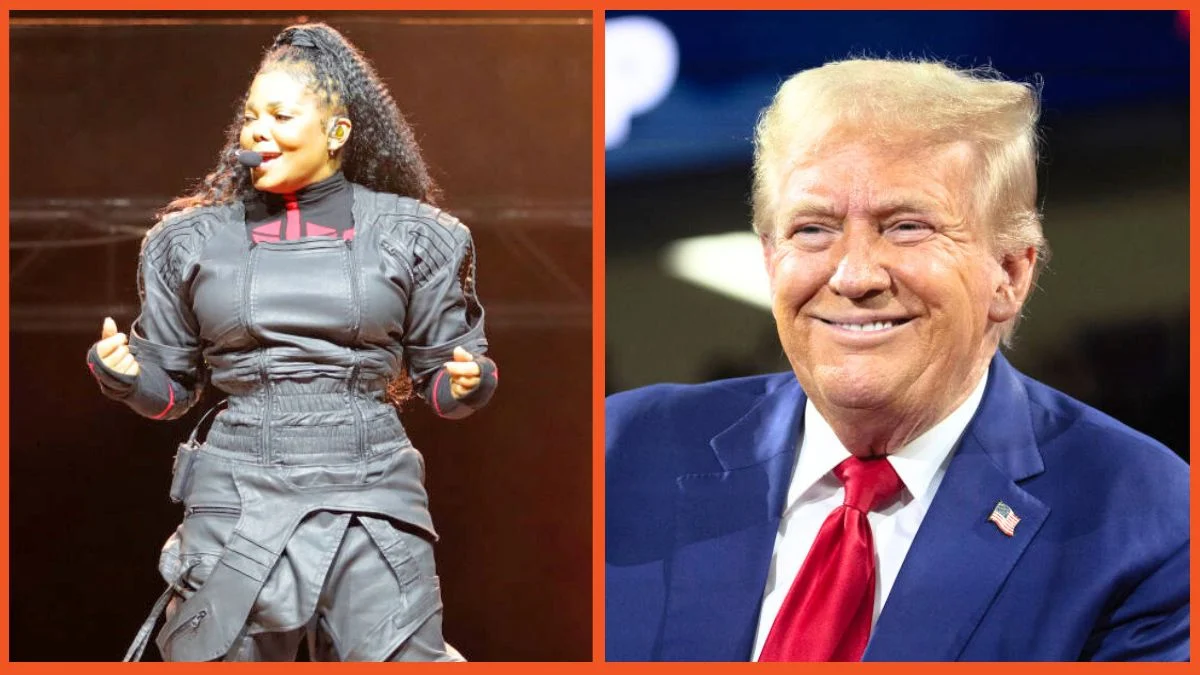
In a recent interview with The Guardian, pop icon Janet Jackson made headlines for her comments regarding Vice President Kamala Harris’s multicultural background, which sparked significant backlash. When discussing the upcoming presidential election, Jackson stated, “Well, you know what they supposedly said? She’s not Black. That’s what I heard. That she’s Indian.” She went on to assert that Harris’s father was white, indicating a lack of clarity about the Vice President’s heritage.
Jackson’s assertions about Harris’s racial identity are factually incorrect. Kamala Harris’s father, Donald J. Harris, was born in Jamaica and is of Black heritage, while her mother, Shyamala Gopalan Harris, emigrated from India. Harris identifies as both Black and Indian, reflecting the diversity of her roots.
When pressed on whether America is ready for a female Black president, Jackson’s response was ambiguous and unsettling: “I don’t know, but either way, the outcome would be mayhem.” Such remarks have drawn parallels to fear-based rhetoric often associated with far-right politics, raising eyebrows among fans and critics alike.
Jackson’s comments were particularly disheartening given her status as a cultural icon and her history of advocating for unity and understanding. Her statements have been perceived as echoing the controversial rhetoric of former President Donald Trump, who has similarly questioned Harris’s racial identity in a way that perpetuates a harmful narrative.
Fans quickly took to social media to express their disappointment, emphasizing that Harris’s identity should not be subject to scrutiny or doubt. Many pointed out that the implication of questioning someone’s Blackness is not only unfounded but also offensive, contributing to a long-standing issue of racial identity politics.
This incident serves as a reminder of the influence that public figures wield and the responsibility that comes with it. Janet Jackson, whose family has faced its own struggles with identity and public perception, is no stranger to the complexities of race in America. Her comments, while perhaps unintentional, reflect a broader issue of misunderstanding and misrepresenting multicultural identities.
As discussions about race and identity continue to evolve, it’s crucial for public figures to be informed and sensitive to these topics, recognizing the power of their words in shaping public discourse.
