
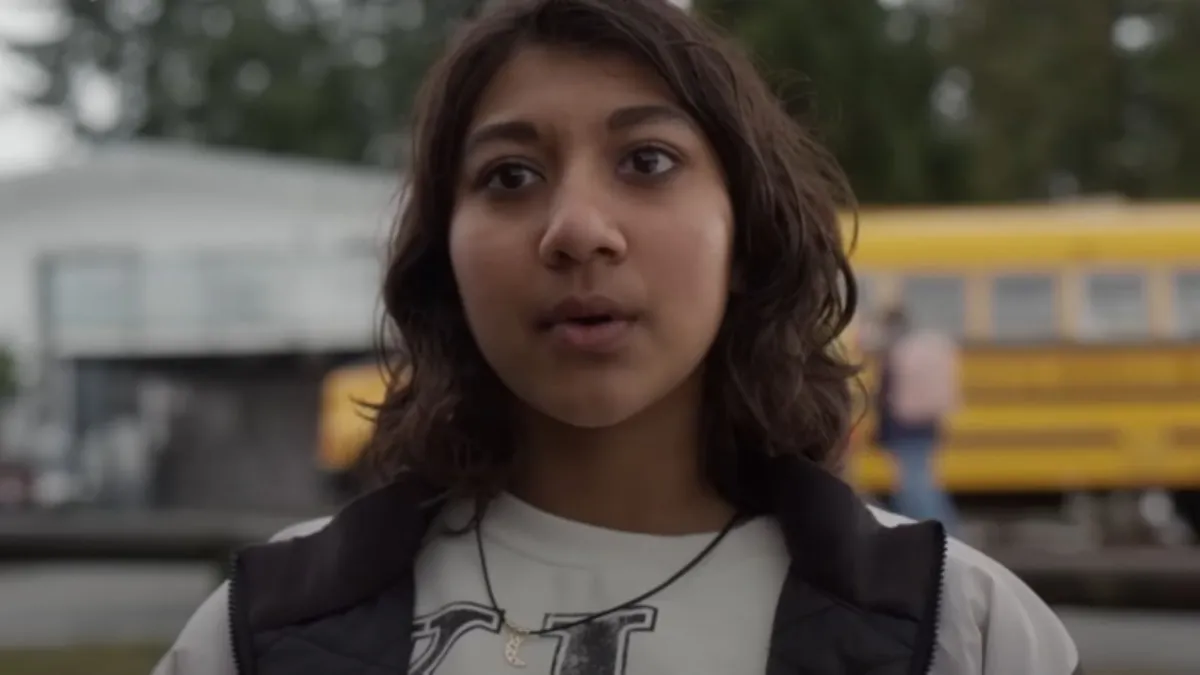
Hulu’s true crime series, “Under the Bridge,” delves into the tragic murder of 14-year-old Reena Virk, which shocked and saddened communities across Canada in 1997. The series examines the harrowing events surrounding Reena’s death, shedding light on the individuals involved, including Warren Glowatski and the group known as the Shoreline Six.
Reena Virk’s murder was a deeply disturbing and senseless act of violence that captured national attention and sparked widespread outrage. The series meticulously explores the circumstances leading up to Reena’s tragic demise, unraveling the complex web of interpersonal dynamics and societal factors that contributed to the tragedy.
Warren Glowatski and the Shoreline Six, a group of teenagers, became notorious figures in the aftermath of Reena’s murder, their actions serving as a stark reminder of the potential consequences of unchecked aggression and peer pressure. Through in-depth interviews, archival footage, and expert analysis, “Under the Bridge” offers viewers a comprehensive understanding of the case and its enduring impact on the community.
As the series unfolds, viewers are confronted with the devastating aftermath of Reena’s murder, including the legal proceedings that followed and the profound grief experienced by her loved ones. “Under the Bridge” serves as a powerful testament to the importance of seeking justice for victims of violence and the ongoing efforts to prevent similar tragedies from occurring in the future.
How Was Reena Virk Killed?
On November 14, 1997, a dark and tragic event unfolded at Craigflower Bridge in British Columbia, Canada, forever altering the lives of those involved and sending shockwaves through the community. Reena Virk, a 14-year-old girl, fell victim to a cruel and senseless act of violence orchestrated by her peers.
The sequence of events began when Reena was lured to what she believed was a social gathering by a group of teenagers, including 16-year-old Warren Glowatski and six girls who became infamously known as the Shoreline Six. Among them was 15-year-old Kelly Ellard, whose name would become synonymous with the heinous crime.
Upon Reena’s arrival, the atmosphere quickly turned sinister as the group of assailants unleashed a vicious assault on her. In a horrifying display of brutality, they subjected Reena to a relentless beating before allowing her to flee in a desperate attempt to escape the violence.
Tragically, Reena’s escape was short-lived, as Warren Glowatski and Kelly Ellard pursued her to the water’s edge. In a chilling and heart-wrenching turn of events, Kelly proceeded to drown Reena, extinguishing the young girl’s life in a merciless act of violence.
The murder of Reena Virk stands as a haunting reminder of the profound impact of peer pressure, cruelty, and unchecked aggression among teenagers. The tragedy continues to resonate deeply within the community and serves as a somber reflection on the importance of empathy, compassion, and the need to address underlying issues that contribute to such horrific acts of violence.
Why Was Reena Virk Killed?
The tragic murder of Reena Virk in November 1997 was not an isolated event but rather the culmination of a prolonged period of extreme bullying and social ostracization that she endured. According to reports, Reena faced relentless torment and abuse at school and in other social settings, with her appearance and ethnicity—she was South Asian—being among the reasons behind the cruelty she endured.
Reena’s struggles with low self-esteem and body image were compounded by the strict upbringing imposed by her Jehovah’s Witnesses family, adding to the challenges she faced. The combination of these factors created a deeply distressing environment for Reena, leaving her vulnerable and isolated.
While the specific motivations behind Warren, Kelly, and the group’s decision to murder Reena remain unconfirmed, many have pointed to the extensive bullying she experienced as a contributing factor. Reena’s race likely played a role in the relentless targeting she endured, particularly in a predominantly white school environment where she was frequently singled out for her South Asian heritage.
The involvement of drugs and alcohol among the group of teens responsible for Reena’s murder further complicates the picture, suggesting that their judgment may have been impaired at the time of the incident. The combination of intoxication and deep-seated animosity toward Reena may have fueled their heinous actions, ultimately leading to the tragic loss of her life.
The murder of Reena Virk serves as a stark reminder of the devastating consequences of unchecked bullying and discrimination, highlighting the urgent need for greater awareness, empathy, and support for those who find themselves targeted by such cruelty. As the community grapples with the aftermath of this senseless tragedy, it underscores the importance of fostering a culture of inclusivity, acceptance, and respect for all individuals, regardless of their background or circumstances.
