
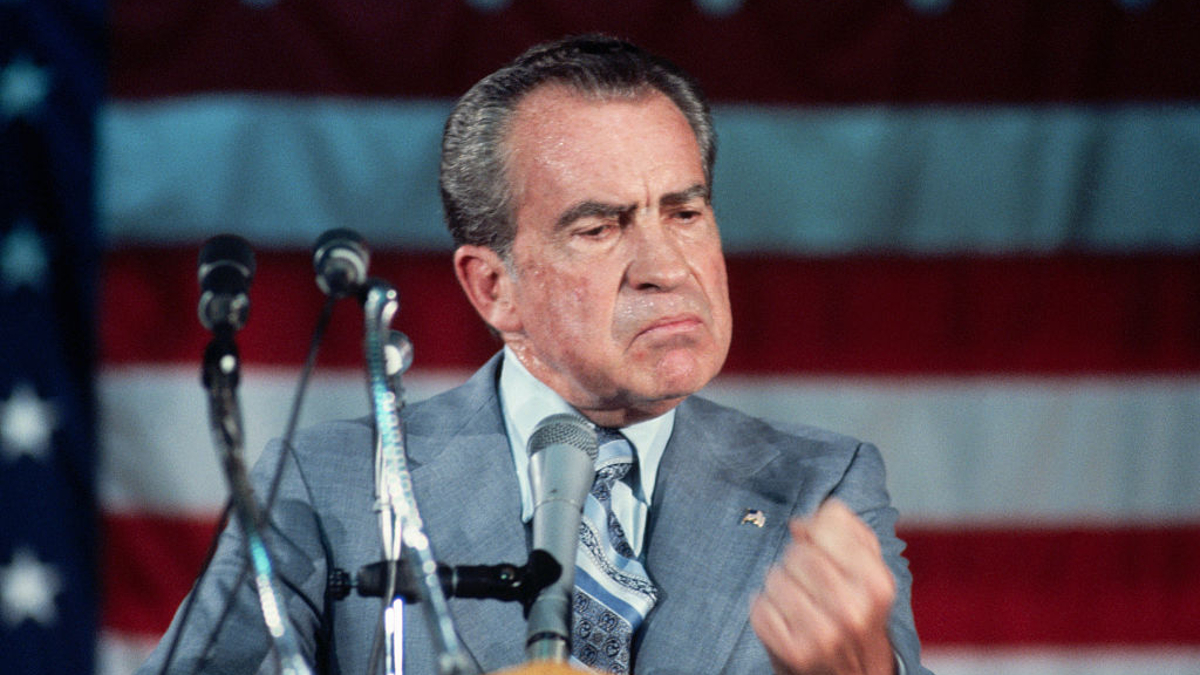
Starting with Nixon, it’s overwhelming to dive into his legacy without feeling a sense of astonishment and dismay. His story is riddled with excesses, bigotry, paranoia, and a litany of crimes and scandals that have left an indelible mark on American history.
Nixon’s journey is a study in contrasts. Despite his achievements, his presidency is tainted by a dark underbelly of corruption and abuse of power. His tenure should have been a time of triumph, marked by landmark victories such as his historic election win, the opening of diplomatic relations with China, and the monumental Apollo 11 moon landing. Yet, beneath this facade of success lurked a man consumed by a paranoid rage, which ultimately led to his downfall.
Watergate, the scandal that ultimately forced Nixon’s resignation, remains one of the darkest chapters in American political history. It unraveled a web of deceit and criminality orchestrated by Nixon’s inner circle, revealing a presidency steeped in lawlessness and deception. The botched break-in at the Democratic National Committee’s headquarters, orchestrated by inept individuals like G. Gordon Liddy, exposed the lengths to which Nixon’s administration would go to undermine their political opponents.
Despite Nixon’s attempts to cover up his involvement and obstruct justice, the truth eventually came to light. The revelation of Nixon’s secret recordings, in which he incriminated himself, left little doubt about his culpability in the Watergate affair. His impeachment marked a rare moment of accountability in American politics, yet his subsequent pardon by Vice President Gerald Ford left many feeling that justice had been denied.
In the aftermath of Watergate, Nixon’s life took a downward spiral. He grappled with physical ailments and mental anguish, haunted by the specter of his disgrace. Yet, even in his darkest moments, Nixon found ways to claw his way back into the public eye. He capitalized on his notoriety, penning memoirs, selling interviews, and leveraging his influence to advise successive administrations.
Despite his tarnished legacy, Nixon’s death in 1994 marked the end of an era. His passing prompted reflection on his achievements and failures, with President Bill Clinton choosing to focus on the former rather than the latter in his eulogy. It served as a reminder of the complexities of power and the enduring legacy of those who wield it.
As we grapple with the present and contemplate the future, Nixon’s story serves as a cautionary tale. It underscores the fragility of democracy and the importance of holding those in power accountable for their actions. And as we ponder the fate of leaders like Donald Trump, Nixon’s legacy serves as a stark reminder of the perils of unchecked ambition and the enduring quest for justice.
