
Julie Andrews, renowned as a Hollywood icon, soared to fame on the wings of her resplendent vocal prowess, which secured her starring roles in cinematic masterpieces like the beloved 1964 classic, “Mary Poppins,” and the timeless 1965 gem, “The Sound of Music.” Tragically, Andrews’ melodic journey hit a somber note in 1997 when she found herself stripped of a portion of her vocal abilities.
While the world recognizes Andrews primarily for her illustrious Hollywood career, her earliest passion blossomed on the theatrical stage. From a tender age, she trod the boards alongside her mother, Barbara Ward Wells, and stepfather, Ted Andrews, both instrumental in the Entertainments National Service Association, dedicated to uplifting the spirits of British troops during World War II. At a mere 12 years old, Andrews debuted professionally, enchanting audiences with her melodic aria at London’s esteemed Hippodrome. Soon after, she embarked on a luminous Broadway journey, captivating generations with her dulcet tones.
The 40th Anniversary Edition DVD of “Mary Poppins” unveils a pivotal moment in Andrews’ career when she was handpicked by Walt Disney himself to embody the iconic nanny from Pamela Lyndon Travers’ tales. Disney, having witnessed Andrews’ brilliance in Broadway’s “Camelot,” deemed her the sole candidate capable of breathing life into the enchanting character. Such was Disney’s conviction in Andrews’ talent that he paused production to accommodate her childbirth in London before resuming filming in America.
Disney’s gamble paid off handsomely, with Andrews clinching the Best Actress Oscar for her portrayal. Subsequent nominations for the same accolade followed in recognition of her stellar performances in “The Sound of Music” and “Victor/Victoria,” both showcases of her remarkable vocal range.
However, Andrews’ vocal prowess faced an unexpected adversary in 1997. While treading the boards of Broadway, she noticed her once-pure voice taking on a hoarse timbre. A medical consultation revealed the presence of non-cancerous nodules on her vocal cords, necessitating surgical intervention. Tragically, upon awakening from surgery, Andrews discovered her singing voice had vanished, a consequence of a misdiagnosis regarding the true cause of her vocal distress.
The ensuing legal battle against Mount Sinai Hospital in New York revealed the extent of the misfortune. Andrews had been misdiagnosed; her hoarseness stemmed from muscular striation rather than nodules. Despite securing legal redress, the damage inflicted upon her voice proved irreversible. Subsequent attempts at corrective surgery yielded no improvement, prompting Andrews to tread cautiously in selecting film and television roles.
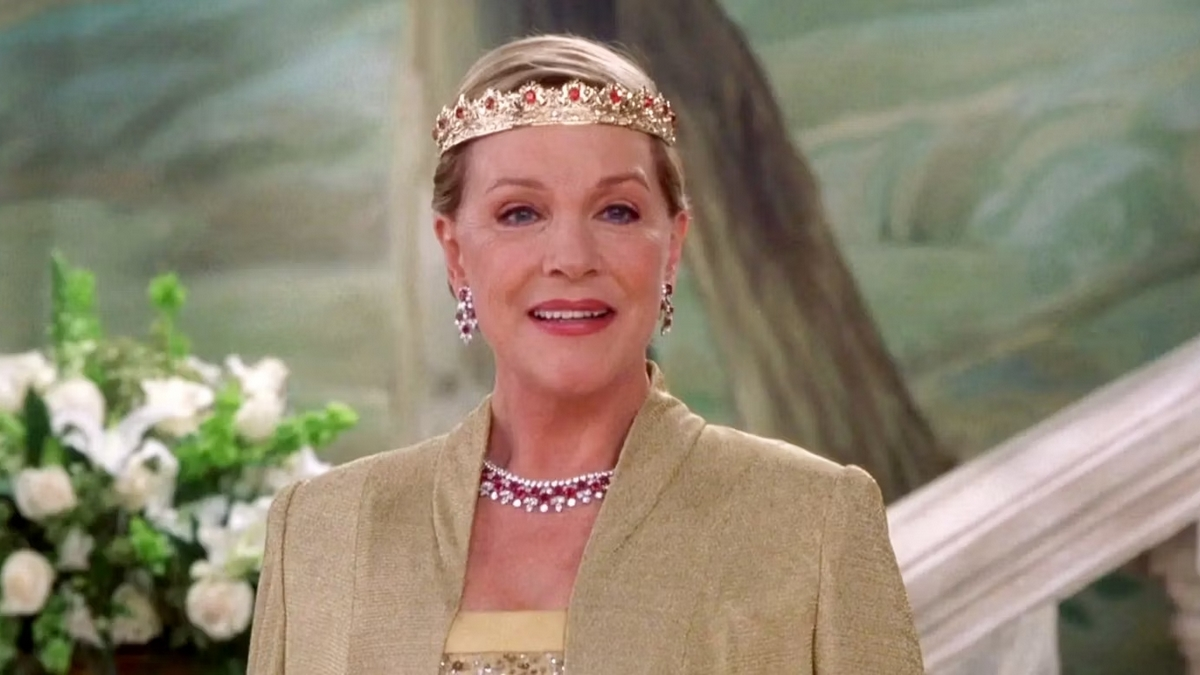
Nevertheless, Andrews’ indomitable spirit persevered, endearing her to audiences anew through heartwarming performances in “The Princess Diaries” franchise and igniting literary passions through collaborations on children’s books with her daughter, Emma Katherine Walton Hamilton.
Presently, Andrews graces screens as the enigmatic voice of Lady Whistledown in Netflix’s “Bridgerton,” captivating audiences with her narrative finesse. Though silenced in song, her artistic legacy continues to resonate, a testament to her enduring talent and resilience.
