
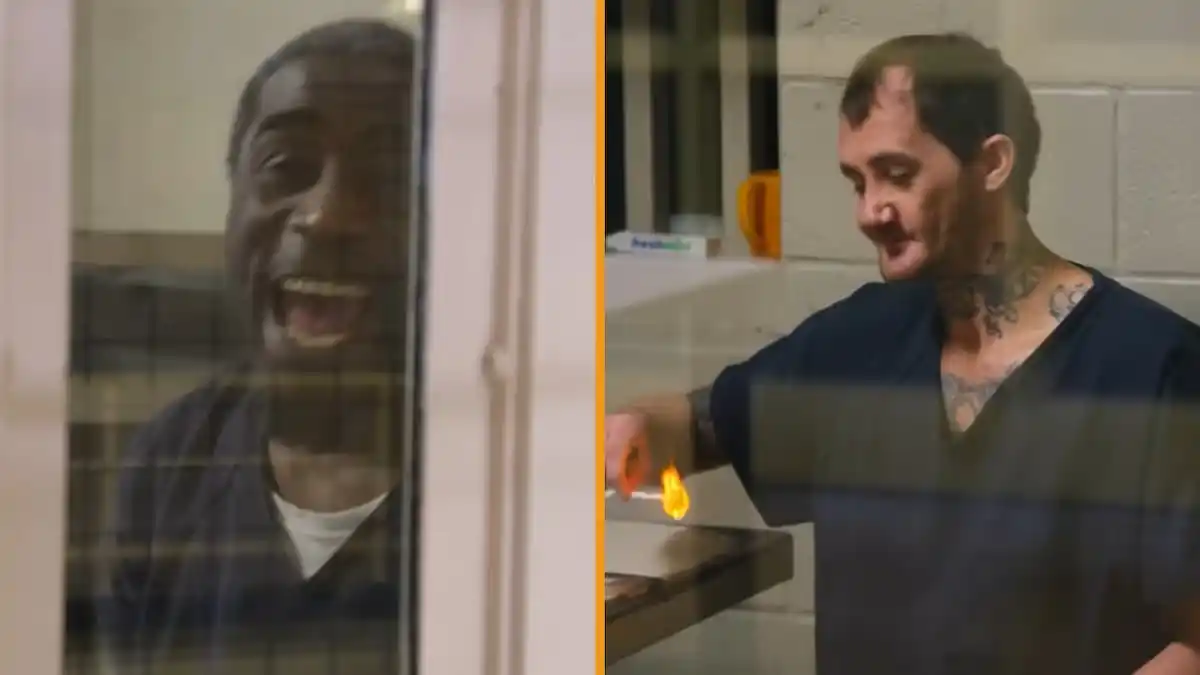
Unlocked: A Jail Experiment offers viewers a fascinating glimpse into the lives of inmates at the Pulaski County Regional Detention Facility as they engage in a groundbreaking social experiment. But amidst the intrigue, questions arise about the authenticity of the show’s portrayal.
Netflix documents an audacious experiment where inmates are granted unprecedented freedom to leave their cells at any time, purportedly aiming to foster a more community-oriented living environment. However, this bold endeavor raises concerns about the safety of both inmates and staff, prompting controversy and legal scrutiny.
While the series presents itself as unscripted and real, certain aspects of the experiment are called into question. The premise of “no locks” and “no officers” is revealed to be partially misleading, as officers remained present within the unit despite claims to the contrary by Sheriff Eric Higgins, the architect of the experiment. The revelation of this discrepancy sparked inquiries by the Pulaski County Quorum Court, shedding light on the complexities surrounding the experiment’s implementation.
Despite these revelations, much of the experiment and its outcomes remain authentic. However, the controversy surrounding its execution raises legal and ethical concerns. While the concept of granting prisoners increased autonomy is not entirely novel, the manner in which it was documented and executed invites scrutiny. Higgins’ acknowledgment of compensation for participation and the exclusion of certain detainees from involvement further complicates the ethical landscape.
In essence, while Unlocked: A Jail Experiment offers a compelling narrative, it also underscores the blurred lines between reality and entertainment. While the experiment itself may have noble intentions, its portrayal and execution raise valid questions about ethics, legality, and the responsibilities of those involved, particularly Sheriff Higgins.
