
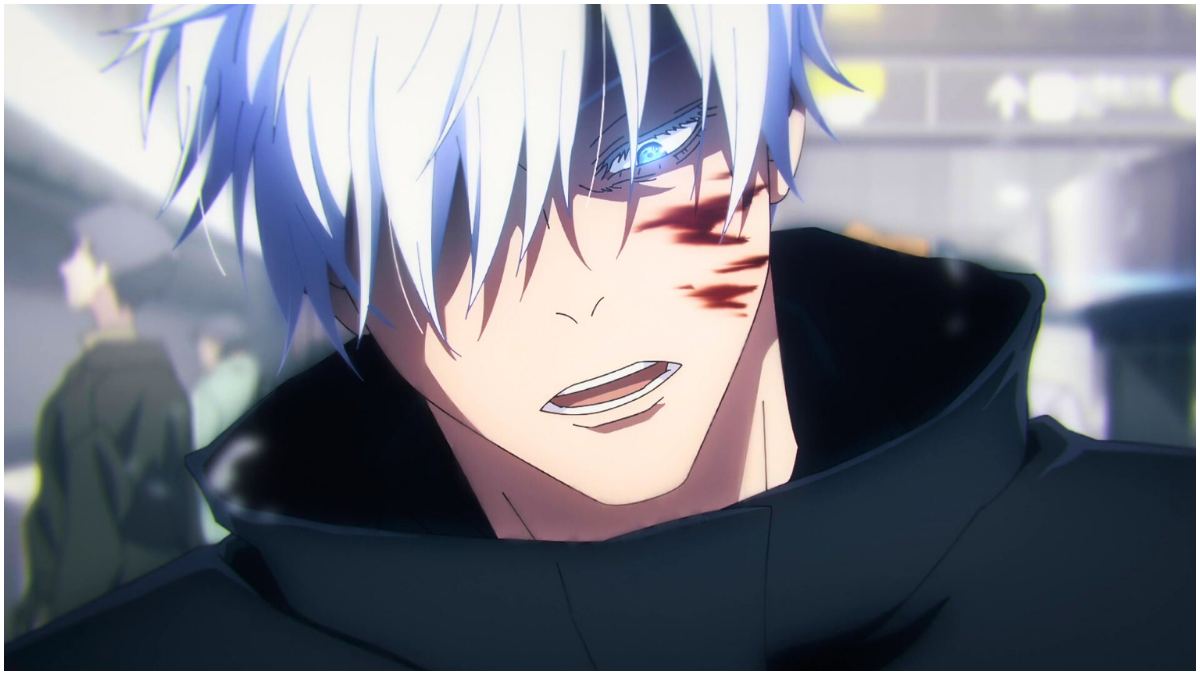
The recent controversy surrounding Chapter 255 of the popular series “Jujutsu Kaisen” has sparked heated discussions within the fandom. Leaked panels from the chapter suggest that one of the beloved characters, Gojo Satoru, made racially insensitive remarks, leading to widespread backlash and scrutiny.
In the contentious panel, Gojo is depicted praising his fellow jujutsu sorcerer Miguel, a Black character, for his unique physical attributes. However, the dialogue takes a problematic turn when Gojo seemingly attributes Miguel’s strength to his racial background, implying that his rare skeletal structure and muscles make him more formidable than Japanese sorcerers. This implication of racial essentialism is troubling, as it perpetuates harmful stereotypes and suggests that someone’s abilities are inherently tied to their race.
Miguel rightfully calls out Gojo on his stereotyping and discrimination, emphasizing that his power is not derived from his race but from his individual identity. While Gojo promptly apologizes, the damage of his remarks has already been done, raising concerns about the portrayal of diversity and representation in “Jujutsu Kaisen” and similar media.
The response from the “Jujutsu Kaisen” fandom, particularly the Black community, has been resoundingly critical of Gojo’s behavior. Discussions around racism in manga and anime are not new, and this controversy underscores the importance of creators depicting characters from diverse backgrounds in respectful and nuanced ways.
While the full context of the leaked panels and the author’s intentions remain unclear, the incident serves as a reminder of the need for sensitivity and awareness when addressing themes of race and ethnicity in storytelling. Backhanded compliments like Gojo’s have no place in narratives that strive to promote inclusivity and respect for all individuals.
