
In the realm of human fallibility, the adage “everyone makes mistakes” often serves as a comforting reassurance, a reminder of our shared vulnerability to errors. Yet, within this spectrum of missteps, there exist actions so profoundly consequential, so irreversibly transformative, that they transcend the realm of mere error, leaving behind a wake of enduring anguish and trauma.
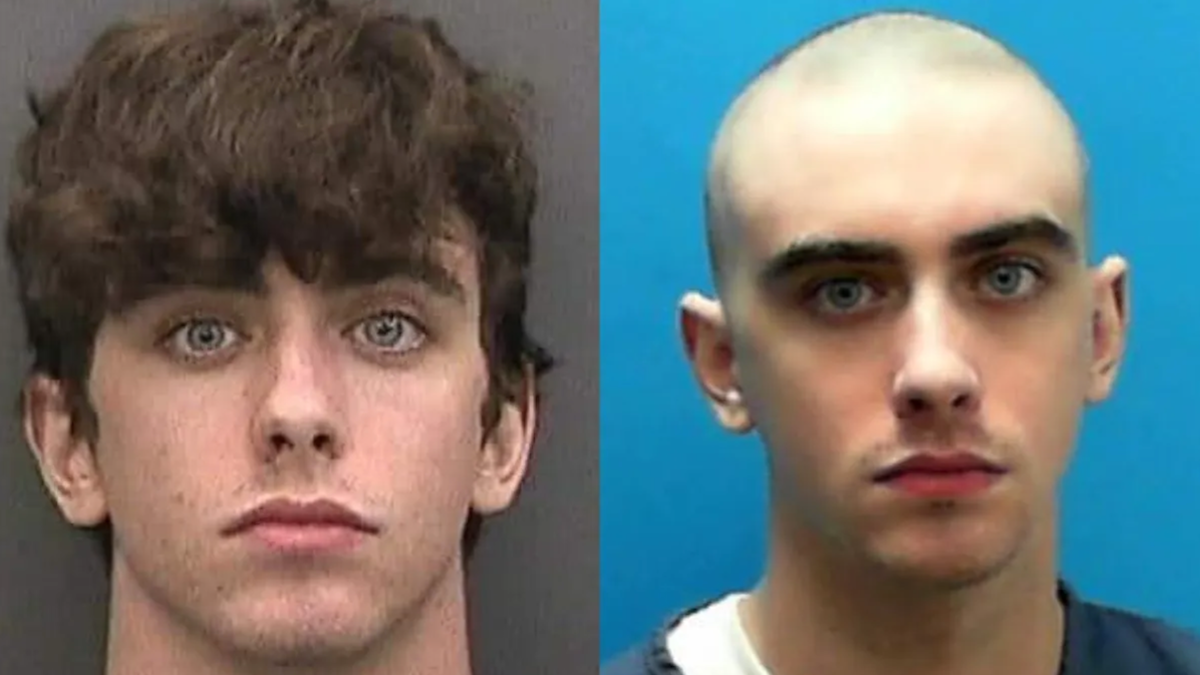
Cameron Herrin’s tale embodies such a distinction. At the tender age of 18, Herrin found himself at the epicenter of a calamitous event that would forever alter the lives of those involved. The catastrophic collision of his actions with the fateful path of a young mother and her infant daughter on a serene Tampa boulevard would unravel a tragedy of unfathomable proportions.
Born into privilege in Texas, Herrin’s trajectory was set amidst the affluence of a comfortable upbringing. However, on that ill-fated day in May 2018, as he revved the engine of his gleaming Ford Mustang on Tampa’s bustling Bayshore Boulevard, Herrin unwittingly embarked on a journey that would veer tragically off course.
In a reckless bid for thrills, Herrin engaged in a high-speed drag race with his friend, John Barrineau, along the picturesque waterfront. Oblivious to the peril lurking in their heedless velocity, the two young men hurtled down the boulevard, heedless of the consequences.
The ensuing collision, a cataclysmic clash of metal and flesh, claimed the lives of Jessica Reisinger-Raubenolt and her infant daughter, Lilia. A mother’s desperate attempt to shield her child from harm proved futile against the merciless momentum of Herrin’s Mustang.
In the aftermath of the tragedy, the full weight of Herrin’s actions came crashing down upon him. Charged with vehicular homicide and unlawful racing, he found himself ensnared in the coils of a legal system poised to mete out justice for lives needlessly lost.
As the wheels of justice turned, Herrin’s fate hung in precarious balance. In a courtroom fraught with grief and anguish, he faced the unyielding scrutiny of a justice system grappling with the enormity of his transgressions. The sentencing, a somber denouement to a saga of sorrow, saw Herrin consigned to a fate measured in decades behind prison walls.
Yet, even amid the solemnity of judicial pronouncements, echoes of discord reverberated. A cacophony of voices, ranging from impassioned pleas for leniency to fervent calls for retribution, underscored the complexity of Herrin’s narrative.
In the court of public opinion, the lines between condemnation and compassion blurred. An online chorus of sympathizers, drawn by Herrin’s youthful countenance and charisma, rallied behind him, decrying the severity of his sentence. The phenomenon of Hybristophilia, the morbid fascination with criminals, found fertile ground in the wake of Herrin’s tragedy, amplifying the discordant notes of dissent.
Yet, amidst the tumult of conflicting sentiments, one truth remained immutable: the lives lost in the wake of Herrin’s recklessness could never be reclaimed. Their absence, an indelible void in the fabric of existence, serves as a stark reminder of the irrevocable consequences of impulsive actions.
As Herrin navigates the confines of his prison cell, ensnared in the inexorable march of time, the world outside grapples with the specter of his legacy. The tragedy that unfolded on that fateful day stands as a sobering testament to the fragility of human existence, a cautionary tale etched in the annals of history.
In the final reckoning, the tale of Cameron Herrin serves as a poignant reminder of the weight of responsibility that accompanies the privilege of freedom. For in the crucible of tragedy, amidst the wreckage of shattered lives, lies the imperative to heed the immutable lessons of the past and forge a path towards a future marked by compassion, accountability, and redemption.
