
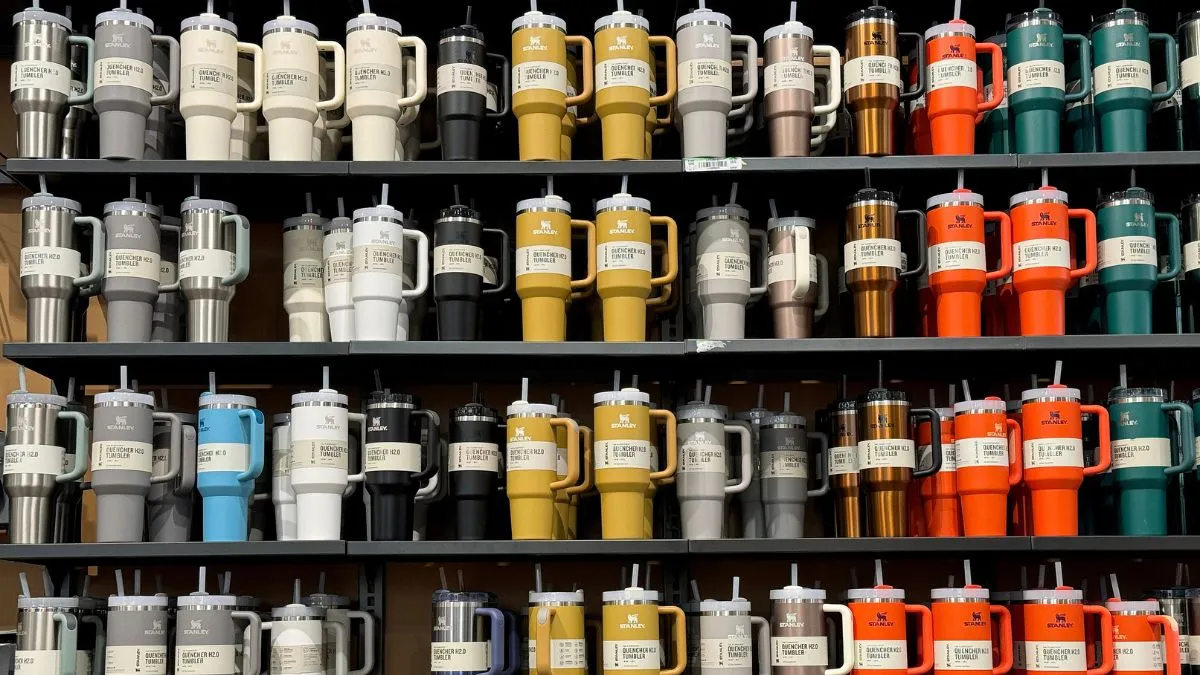
The current controversy surrounding Stanley cups has ignited concerns among consumers worldwide, with reports suggesting that these beloved beverage containers contain lead. While lead was once a commonly used material, its detrimental effects on the brain and nervous system led to its widespread abandonment in manufacturing.
Lead poisoning remains a significant concern, despite being less prevalent in modern times, especially outside of well-known cases like the water crisis in Flint, Michigan. However, Stanley’s recent PR nightmare has brought lead poisoning back into the spotlight, raising questions about the safety of their cups.
Confirmation that lead is indeed present in the construction of Stanley cups emerged in January 2024, triggering a wave of backlash and anxiety among consumers. The revelation prompted Stanley to clarify the purpose of the lead-containing pellet at the bottom of their cups, which facilitates vacuum insulation and is shielded by a stainless steel barrier. As long as this barrier remains intact, there is no risk of lead exposure.
However, concerns arise when the stainless steel barrier is damaged or removed, potentially exposing users, including children, to hazardous levels of lead. While such damage is not easily inflicted, the widespread use of these cups for various purposes increases the likelihood of unintentional harm.
Despite growing apprehension about the safety of continued use, no Stanley cup recall has been issued thus far. However, it is conceivable that certain cup designs may be discontinued, and Stanley might revise their manufacturing process to exclude the lead-containing pellet in the future. For current owners of Stanley cups with an intact stainless steel barrier, vigilance regarding its condition is paramount.
The risks associated with lead exposure are profound, particularly for children whose developing brains and bodies are more vulnerable. Even low levels of lead exposure can lead to cognitive impairment, behavioral issues, and reproductive organ damage. In adults, lead exposure increases the risk of hypertension, kidney damage, and cardiovascular problems, underscoring the importance of addressing concerns surrounding lead-containing products like Stanley cups.
