
Maundy Thursday, also known as Holy Thursday, is a significant day in the Christian calendar that falls on the Thursday before Easter Sunday. This solemn occasion commemorates several key events in the life of Jesus Christ, particularly the Last Supper, his betrayal by Judas Iscariot, and his subsequent arrest.
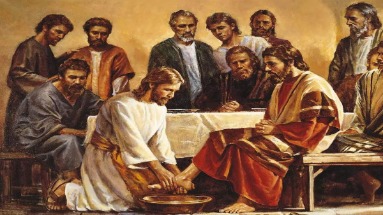
The term “Maundy” is derived from the Latin word “mandatum,” which means commandment or mandate. It refers to Jesus’ commandment to his disciples during the Last Supper, as recorded in the Gospel of John, where he instructs them to love one another as he has loved them. This act of humble service and love is symbolized through the ritual of foot washing, which is often performed in churches on Maundy Thursday.
One of the central elements of Maundy Thursday is the celebration of the Last Supper, the final meal that Jesus shared with his disciples before his crucifixion. During this meal, Jesus instituted the sacrament of the Eucharist, or Holy Communion, by sharing bread and wine with his disciples and instructing them to partake in remembrance of him. This sacred ritual is reenacted in Christian churches around the world on Maundy Thursday, underscoring the profound spiritual significance of communion with Christ and fellow believers.
Another poignant aspect of Maundy Thursday is the betrayal of Jesus by one of his own disciples, Judas Iscariot. According to the Gospels, Judas conspired with the religious authorities to hand Jesus over to be arrested and ultimately crucified. This act of treachery serves as a somber reminder of the frailty of human nature and the complexities of loyalty and betrayal.
Following the Last Supper, Jesus retreated to the Garden of Gethsemane to pray, where he experienced intense anguish and sorrow knowing what lay ahead. It was in this garden that Jesus was betrayed by Judas and subsequently arrested by Roman soldiers, marking the beginning of his journey to the cross.
Maundy Thursday serves as a solemn prelude to Good Friday, the day of Jesus’ crucifixion, and ultimately Easter Sunday, which commemorates his resurrection. It is a time for reflection, repentance, and spiritual preparation as Christians contemplate the profound sacrifice of Jesus and the redemptive significance of his death and resurrection.
In addition to religious observances, Maundy Thursday is also associated with various customs and traditions in different cultures. In some countries, it is customary for monarchs to perform acts of charity, such as washing the feet of the poor, in imitation of Jesus’ humble service to his disciples. Others may participate in special church services, prayer vigils, or communal meals to mark the occasion.
Overall, Maundy Thursday holds deep spiritual significance for Christians worldwide, serving as a poignant reminder of Jesus’ sacrificial love, his profound teachings on humility and service, and the solemn events leading up to his crucifixion and resurrection. It is a time of solemn reflection, prayer, and devotion as believers prepare to journey through the sacred mysteries of Easter.
