

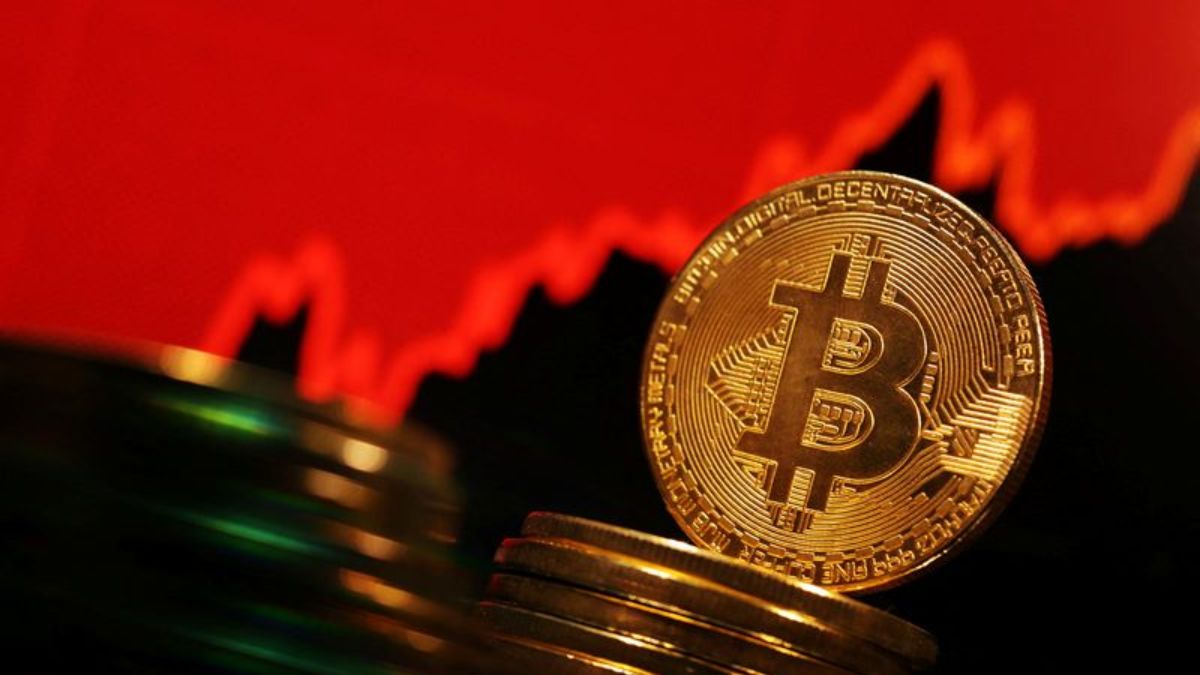
Bitcoin slipped below 69,000 USD on Tuesday, dropping 2.1% to 68,183 USD by 10:01 ET (14:01 GMT). The decline came as traders turned cautious ahead of U.S. President Donald Trump’s 8 p.m. ET deadline for Iran to reopen the Strait of Hormuz or face potential military action.
Bitcoin had briefly climbed above 70,000 USD on Monday amid optimism over a possible ceasefire. However, the rally could not hold after Iran rejected the U.S.-backed ceasefire proposal and demanded broader conditions, raising fears of escalation.
Geopolitical tensions drive Bitcoin decline
Trump warned that Iran could be “taken out” if it fails to comply, targeting key infrastructure such as power plants, bridges, and transport networks. The standoff has sent oil prices above 110 USD per barrel, fueling inflation concerns and prompting investors to favor safer assets like the U.S. dollar.
Bitcoin has increasingly mirrored broader risk sentiment, with geopolitical uncertainty weighing on investor optimism. Rising energy prices linked to the Middle East conflict are expected to push U.S. inflation higher. This could reinforce expectations of elevated interest rates, a factor that typically pressures cryptocurrencies.
Bitcoin ETFs see record inflows ahead of deadline
Despite the price drop, Bitcoin exchange-traded funds saw strong inflows on Monday, the biggest daily gains since late February. Combined inflows reached 471.3 million USD. BlackRock’s IBIT led with 181.9 million USD, followed by Fidelity’s FBTC at 147.3 million USD and ARKB at 118.8 million USD. No ETF recorded outflows that day, showing strong positioning ahead of geopolitical risks.
Altcoins extend losses
Other cryptocurrencies also weakened. Ethereum fell 3.9% to 2,073 USD. XRP dropped 3.3% to 1.30 USD. Solana and Polygon lost around 4% and 3% respectively, while Cardano dipped more than 5%. Meme tokens like Dogecoin were also down, losing 2.6%.
Market sentiment remains cautious as traders weigh the dual pressures of Middle East tensions and rising inflation. Bitcoin and altcoins are likely to remain volatile until clarity emerges on both the Iran deadline and U.S. economic data, including the March consumer price index report expected later this week.