
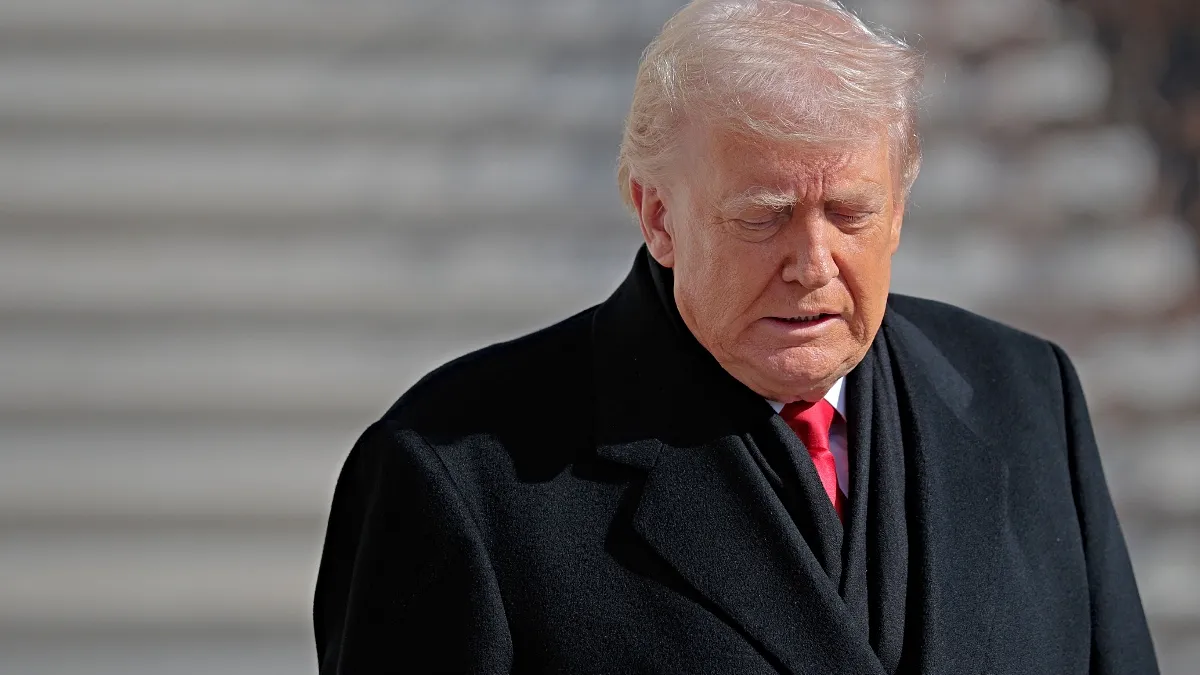
Donald Trump is finally admitting that he will leave office someday. He called the day he departs “very sad” for him personally. While comforting for some, many observers are questioning why he sees it as a tragedy.
Trump’s warning to corporations
On January 29, Trump told pharmaceutical companies they have two to three years to build U.S. manufacturing plants. He threatened tariffs of 100, 200, or even 300 percent if they don’t comply. He linked this timeline to his planned departure from office in 2028. Trump said the day he leaves will be “a sad day, a very sad day for me.”
Social media users quickly pointed out the disconnect. While Trump might see it as sad personally, for much of the public it would be anything but. Many joked that the only concern would be if someone like JD Vance took over. Others were blunt, saying the day would be a celebration and “the best day” imaginable.
The real reason Trump feels sad
Observers noted that Trump’s sadness is less about legacy or the nation. It’s about losing power and protection. Leaving office would mean no more immunity from legal investigations or the ability to influence outcomes for himself and his family. In a single sentence, he revealed how central power is to his worldview.
Trump clearly sees the presidency not as a temporary role, but as something he owns. His comments suggest his concern is not handing over power to the next administration but losing control entirely. Even in mourning the end of his term, he continues to assert authority and project narcissism.
He framed his warnings to corporations around his personal importance, claiming there will never be a better president than him. Trump also described the first year of a hypothetical second term as potentially “the most successful year in the history of any American administration,” emphasizing that, in his view, every policy and achievement under his administration is historic.
