
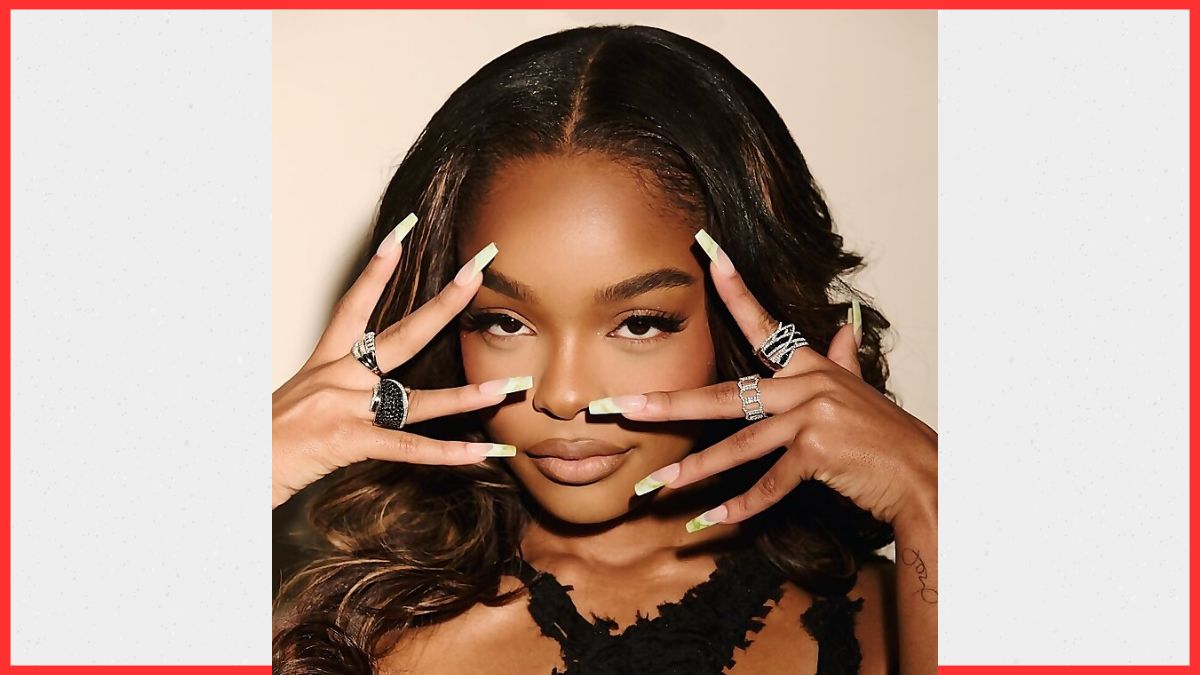
Marsai Martin, widely recognized for her role on the hit TV series Black-ish, has seamlessly transformed from a talented actress into a formidable young entrepreneur. At just 20 years old, Martin has not only broken records as one of Hollywood’s youngest executive producers but also built a diversified business model that extends well beyond acting. Her ventures exemplify a modern Gen Z approach to monetization, combining traditional media, brand partnerships, and strategic investments.
Acting and Production: Core Revenue Streams
While acting remains a primary source of income, Marsai Martin’s real financial ingenuity lies in her production endeavors. Through her company, Genius Productions, she made history by producing the 2019 film Little, which grossed over $30 million at the U.S. box office on a $20 million budget. In the U.S., film production revenues include both profit participation and upfront producer fees. For Little, Martin likely received a producer fee in addition to backend earnings from box office and distribution deals. Her early entry into production also positions her for long-term residual income from syndication, streaming rights, and international sales.
Brand Partnerships and Endorsements
In addition to entertainment, Marsai Martin leverages her Gen Z influence for high-profile brand collaborations. She has partnered with major companies in fashion, beauty, and lifestyle sectors, monetizing her social media reach. Her Instagram following, which exceeds 4 million users, enables sponsored posts, branded content, and affiliate marketing deals. In the U.S., influencers with her scale often earn between $15,000 and $40,000 per sponsored post, and multi-platform partnerships can bring in six-figure annual revenue. Martin’s polished, relatable content resonates with younger demographics, making her a lucrative partner for brands targeting Gen Z and millennial audiences.
Content Strategy and Monetization on Social Media
Marsai’s content strategy is a balance of behind-the-scenes insights, fashion, and lifestyle engagement. She maintains a cohesive visual and narrative style—bright, positive, and authentic—which amplifies audience engagement and drives monetization. Beyond Instagram, she utilizes platforms like TikTok to expand her reach. TikTok monetization includes creator funds, brand deals, and viral content-driven promotions. With consistent engagement metrics exceeding industry averages, Martin maximizes both visibility and revenue potential from social media alone.
Strategic Investments and Long-Term Growth
Beyond media, Marsai Martin invests in intellectual property and emerging digital ventures. By focusing on ownership—whether through production rights or brand equity—she ensures sustainable, long-term income. In the U.S., ownership stakes in content and IP can yield recurring revenue streams, including licensing deals, merchandise, and potential future franchise opportunities. Her approach mirrors a business-minded Gen Z strategy: leveraging personal brand influence to secure tangible assets and financial security.
Conclusion: A Model for Modern Gen Z Entrepreneurs
Marsai Martin exemplifies how young influencers can diversify income while maintaining creative authenticity. Her business model spans acting, production, brand partnerships, and strategic investments, with clear emphasis on ownership and monetization. By combining Hollywood experience with a keen understanding of digital influence, she has established a robust financial foundation that other Gen Z creators can emulate. Martin’s career is a testament to the power of strategic thinking, brand leverage, and innovation in shaping modern entertainment entrepreneurship.
