
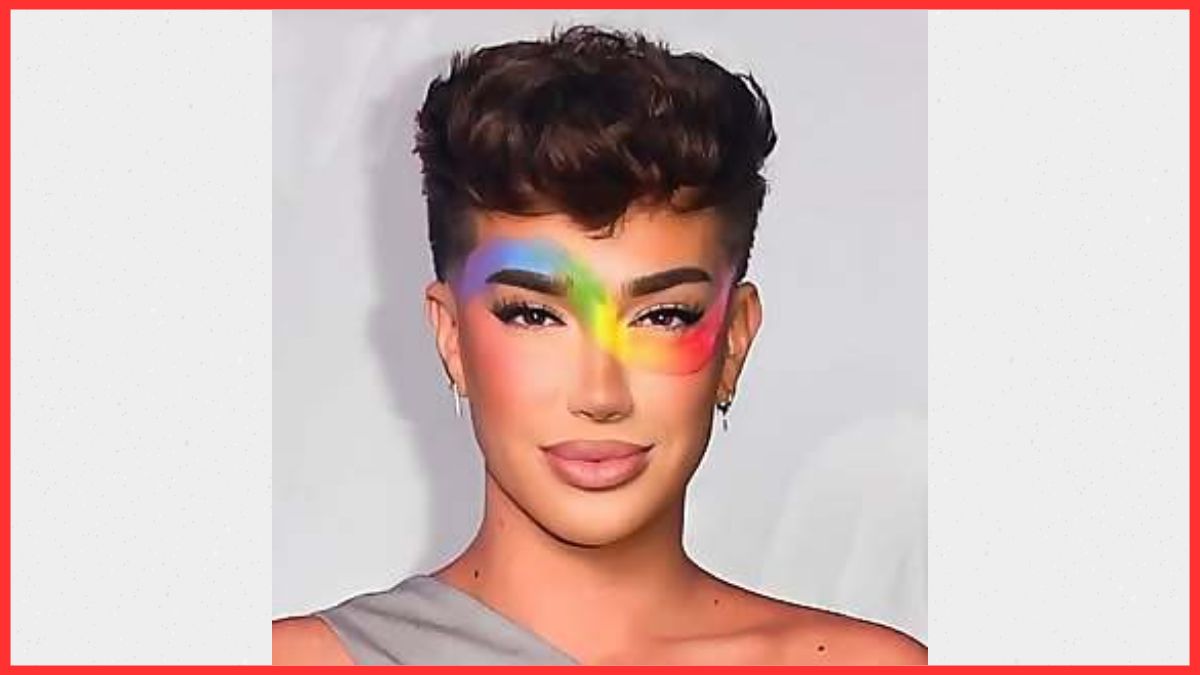
James Charles is one of the most commercially structured Gen Z beauty influencers in the American digital market, operating at the intersection of content, commerce, and brand equity. With a social footprint that spans YouTube, Instagram, and TikTok, his business model is built on diversified, platform-native revenue streams rather than reliance on a single source of income.
Multi-Platform Content as a Revenue Engine
YouTube Advertising and Performance-Based Income
James Charles’ YouTube channel, which has historically maintained tens of millions of subscribers and billions of lifetime views, functions as a primary monetization pillar. In the U.S. market, beauty and lifestyle creators typically earn higher-than-average CPMs due to premium advertiser demand from cosmetics, skincare, and fashion brands. Long-form tutorials, product challenges, and transformation videos allow him to maximize mid-roll ad placements, increasing revenue per upload.
TikTok and Instagram Monetization
On TikTok, James Charles leverages short-form beauty trends and creator challenges to generate Creator Fund income while driving brand visibility. Instagram serves as a conversion-focused platform, where Stories and Reels are used to funnel traffic toward sponsored campaigns and product launches. These platforms are strategically aligned to support both direct payouts and brand partnership value.
Brand Partnerships and Sponsored Campaigns
Beauty and Retail Collaborations
James Charles’ most commercially significant revenue stream has been U.S.-based brand collaborations. His partnership with Morphe, which included a co-branded eyeshadow palette sold through major American beauty retailers, positioned him as both a creator and a product stakeholder. This type of deal typically blends upfront fees, sales-based royalties, and performance bonuses tied to retail and e-commerce conversions.
Sponsored Content Strategy
Rather than one-off promotions, his sponsored content is often integrated into full tutorial formats, increasing engagement time and conversion probability. U.S. beauty brands value this format because it mirrors in-store product demonstrations, making the content function as both marketing and digital merchandising.
Merchandising and Direct-to-Consumer Sales
Creator-Owned Product Lines
James Charles has monetized his personal brand through limited-edition merchandise, including apparel and beauty accessories sold via U.S.-based e-commerce platforms. This direct-to-consumer approach allows for higher profit margins compared to traditional affiliate marketing, as it eliminates third-party retail markups.
Affiliate and Performance Links
He also uses affiliate programs with American beauty retailers, earning commission-based income when followers purchase recommended products through trackable links embedded in video descriptions and social bios.
Content Style and Commercial Appeal
High-Production, Tutorial-Driven Branding
James Charles’ content style is visually polished, tutorial-focused, and trend-responsive. His videos often combine entertainment with step-by-step education, making them highly attractive to advertisers seeking both reach and product credibility.
Audience-Centric Positioning
By targeting Gen Z and young millennial beauty consumers in the U.S., he aligns his brand with the most active digital shopping demographic. This positioning strengthens his negotiating power with advertisers and retailers looking to capture online-first buyers.
A Scalable Influencer Business Model
James Charles’ business model reflects a modern American creator economy blueprint: platform monetization, brand equity partnerships, retail-backed collaborations, and direct-to-consumer commerce. By structuring his influence as a multi-channel revenue system rather than a single-income stream, he has built a scalable, advertiser-friendly digital enterprise that continues to perform in the competitive U.S. beauty market.
