
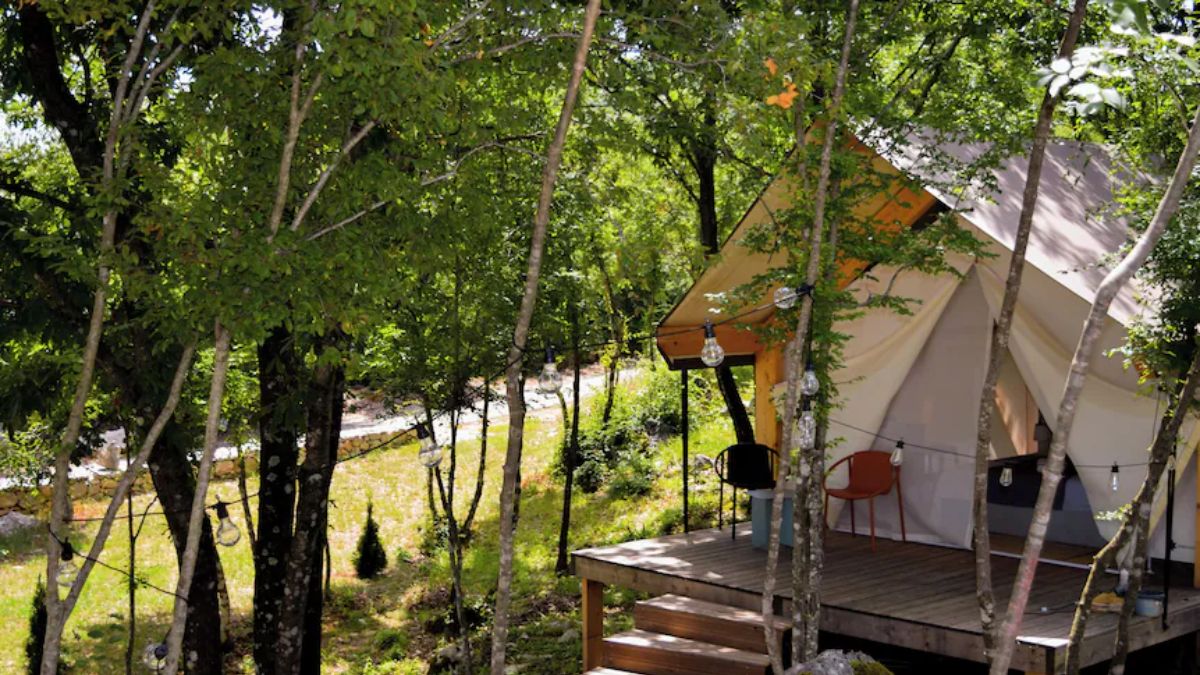
Eco-resort glamping offers unique experiences depending on whether you choose a mountain or forest setting. Both provide a chance to reconnect with nature while enjoying comfort and sustainability, but the atmosphere, activities, and scenery differ significantly.
Mountain glamping usually features elevated tents, domes, or cabins with panoramic views of peaks, valleys, and sometimes snow-capped landscapes. The air is crisp, and mornings often bring breathtaking sunrises over ridges. Mountain resorts often cater to adventure enthusiasts, offering activities like trekking, rock climbing, paragliding, or mountain biking. Guests can also enjoy quiet reflection while overlooking vast horizons, making it ideal for both thrill-seekers and those looking for solitude.
Forest glamping, on the other hand, immerses guests in dense greenery, often near rivers, waterfalls, or wildlife habitats. Accommodations like treehouses, canopy tents, or secluded cabins allow travelers to feel surrounded by nature. Forest glamping emphasizes exploration and mindfulness, with activities such as guided nature walks, birdwatching, forest bathing, and stargazing through gaps in the canopy. The sights, sounds, and smells of the forest create a serene and calming environment.
Both settings prioritize sustainability, with eco-friendly building materials, solar energy, rainwater systems, and waste management practices. Food is often locally sourced and farm-to-table, providing fresh and seasonal meals in either environment. The choice between mountains and forests depends on whether travelers want expansive vistas and adventure or lush greenery and immersive calm.
In essence, mountain glamping offers exhilaration, sweeping views, and crisp air, while forest glamping provides tranquility, close encounters with wildlife, and a sense of seclusion. Both provide luxurious comfort, eco-conscious living, and meaningful ways to connect with nature.
