
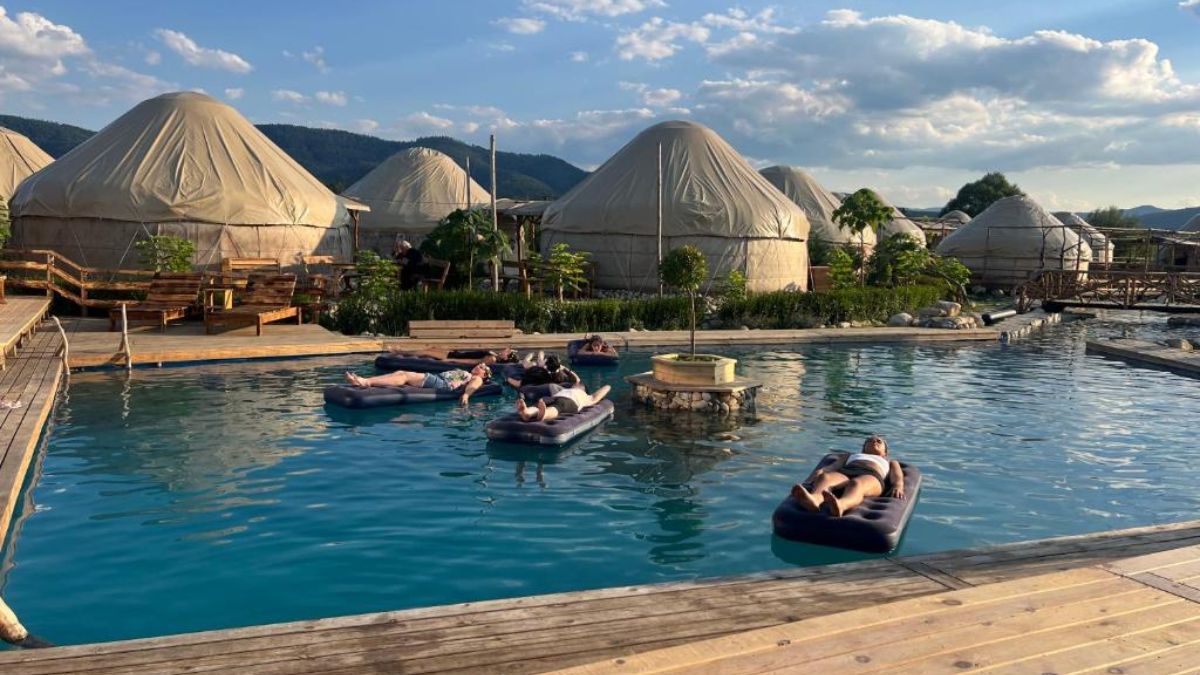
Eco-resort glamping is emerging as a key part of the future of sustainable tourism because it combines luxury travel with environmental responsibility. Travelers today are seeking experiences that are not only memorable and comfortable but also mindful of the planet. Glamping achieves this by offering immersive stays in nature while minimizing ecological impact.
Unlike traditional hotels or resorts, eco-glamping accommodations—such as tents, domes, treehouses, or cabins—are built using sustainable materials and designed to blend into the natural surroundings. Many resorts use solar power, rainwater collection, composting toilets, and other eco-friendly systems to reduce energy use and waste. This approach allows travelers to enjoy luxury without harming the environment.
Eco-resort glamping also supports local communities, which is another important aspect of sustainable tourism. Resorts often source food locally, hire local guides, and engage in cultural preservation, giving guests a meaningful way to connect with the people and traditions of the area. This ensures that tourism benefits the community as much as it benefits the traveler.
The experiences themselves encourage slower, mindful travel. Guests participate in activities like hiking, wildlife observation, meditation, or eco-workshops, all of which foster a deeper connection with nature. By promoting education and awareness, glamping helps travelers understand the importance of conservation and sustainability.
As travelers continue to prioritize responsibility alongside comfort, eco-resort glamping is set to grow as a model for sustainable tourism. It proves that vacations can be luxurious, immersive, and eco-conscious at the same time, offering a blueprint for how the travel industry can protect the planet while delivering unforgettable experiences.
