
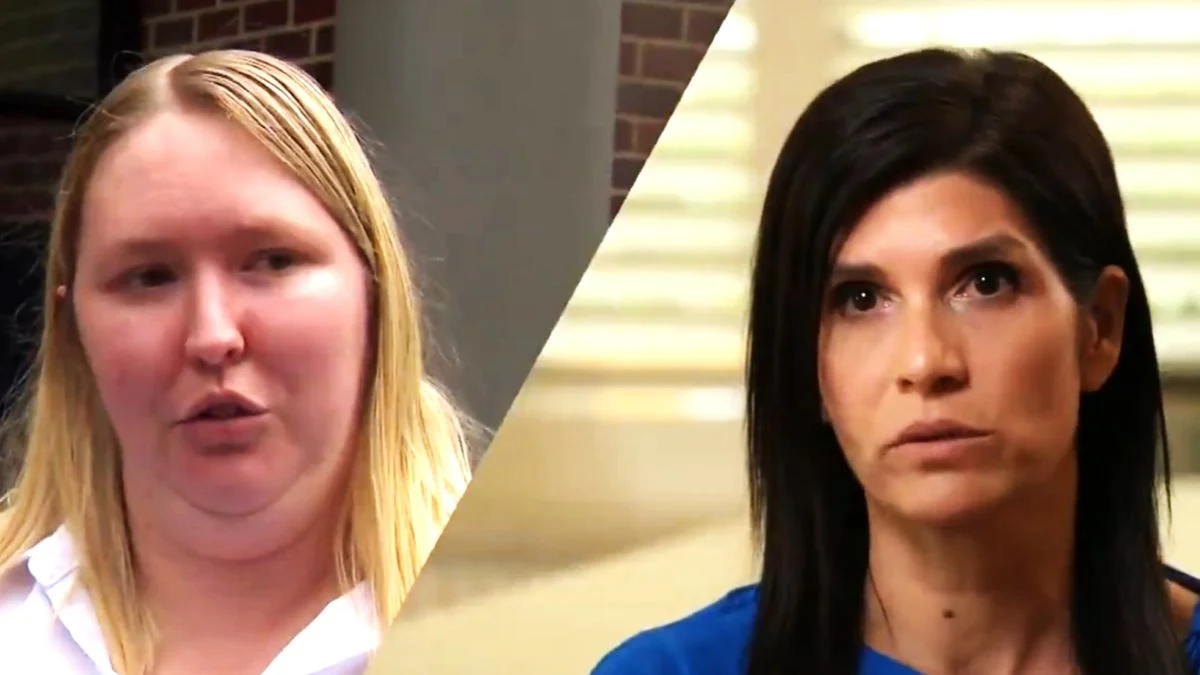
In one of the most confusing criminal cases to surface in a long time, a woman with intellectual disabilities has pleaded not guilty to a charge usually reserved for serious online abuse. The accusation claims she used a phone service to menace or harass someone. The issue is that the voicemail at the center of the case contains no spoken words.
The woman is 26-year-old Serena Tomuri from Sydney. The incident began with a completely harmless text message sent to a well known nutritionist and author. Serena politely asked if she could receive help with her nutrition after seeing the nutritionist work with a reality TV personality. There was nothing aggressive. Nothing political. Nothing hateful.
Several hours later, an accidental call from Serena’s phone went to voicemail. No one spoke. There were only faint background noises. That voicemail later became the basis for a criminal charge.
The voicemail was left just days after the Bondi Beach attack. The recipient later claimed she believed the muffled sounds were gunshots. She interpreted the call as a direct threat because she is Jewish. She told authorities the voicemail made her feel scared and anxious.
Serena’s lawyer strongly disputes this interpretation. He says the sounds are far more likely to be everyday background noise. He suggested it could be a bed creaking or someone snoring. He also stressed that Serena has a severe intellectual and cognitive disability and does not understand international conflicts or political tensions. According to him, she is not anti-semitic and had no intent to threaten or frighten anyone.
He described the case as an example of charging first and asking questions later.
Serena has told the court she is frightened and confused. She says she cannot understand how a silent voicemail could be considered threatening. She also explained that the case has badly affected her mental health. She asked for understanding and compassion, saying she feels overwhelmed and distressed by the situation.
The case has raised serious concerns about overreach. Critics argue that prosecuting a person with disabilities over an accidental silent voicemail weakens the meaning of real hate crime laws. They worry it sets a dangerous precedent and distracts from genuine cases of harassment and anti-semitic abuse that deserve full attention.
Serena has already appeared in court and is due to return next month. The matter could proceed to a full criminal trial. If the facts presented so far are accurate, many believe this case represents a troubling misuse of the justice system rather than a legitimate response to hate speech.
