
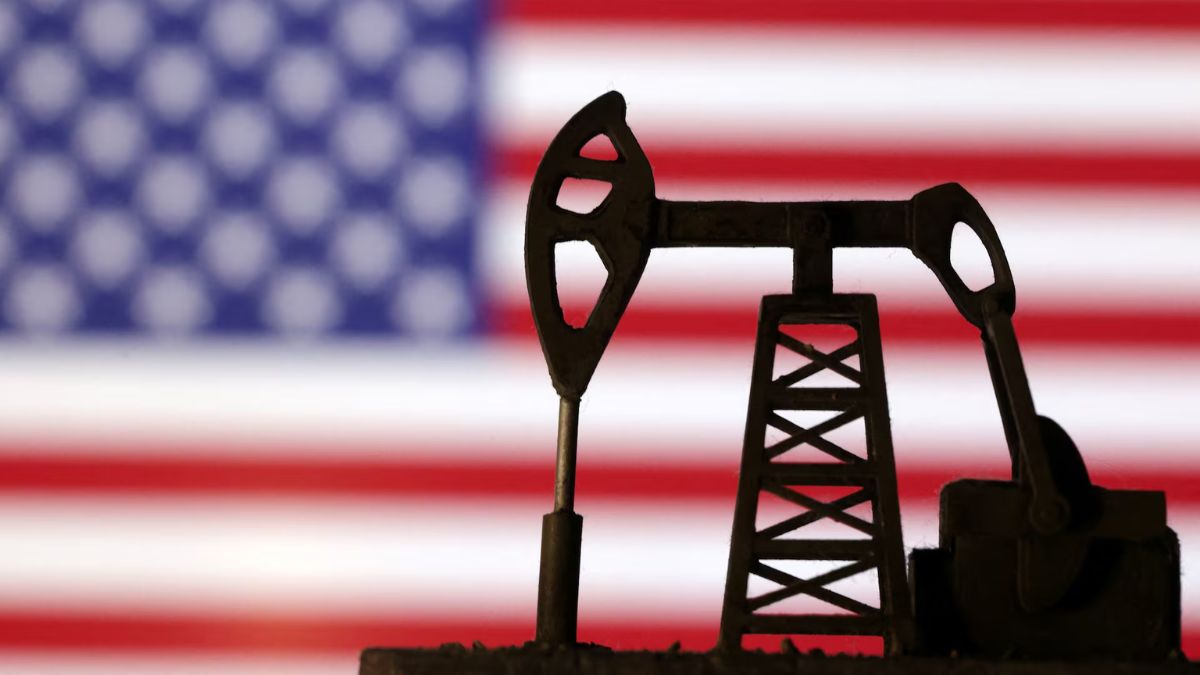
US Energy Secretary Chris Wright urged the world to more than double oil production. He also criticized the European Union and California for focusing too much on what he called inefficient green energy. Wright’s comments come as global energy discussions increasingly push for lower-carbon policies, particularly at forums like the World Economic Forum in Davos.
Oil will remain vital despite global push for renewables
During a conversation in Davos with Occidental CEO Vicki Hollub, Wright emphasized that oil will remain a key part of global energy for decades. He said that even as renewable energy grows, the world’s energy needs cannot rely solely on clean sources yet. This suggests any long-term energy plan must balance continued oil use with scaling up green energy.
Wright also raised concerns about EU corporate environmental rules. He warned that these regulations could threaten the flow of US gas imports into Europe. According to him, such policies might make it legally risky for US producers to send energy to the continent. He added that the US is working with European partners to remove these barriers.
EU pushes Methane reporting amid corporate regulation changes
The EU has introduced rules requiring companies that import oil and gas to track and report methane emissions. Methane is a potent greenhouse gas, far stronger than carbon dioxide in the short term. These rules aim to make fossil fuel suppliers more accountable and encourage better practices to reduce methane leaks.
Recently, the EU scaled back two major corporate sustainability laws: the Corporate Sustainability Reporting Directive (CSRD) and the Corporate Sustainability Due Diligence Directive (CSDDD). The CSRD sought to standardize reporting on environmental and social impacts, while the CSDDD aimed to hold companies responsible for harms across their value chains. The decision to reduce the scope of these laws reflects the challenge of balancing ambitious climate goals with business competitiveness and administrative burdens.
The debate between increased oil production and green energy regulations highlights a tension in global energy markets. As the world moves toward renewables, oil and gas remain central to meeting immediate energy demands while policymakers try to navigate sustainability goals.
