
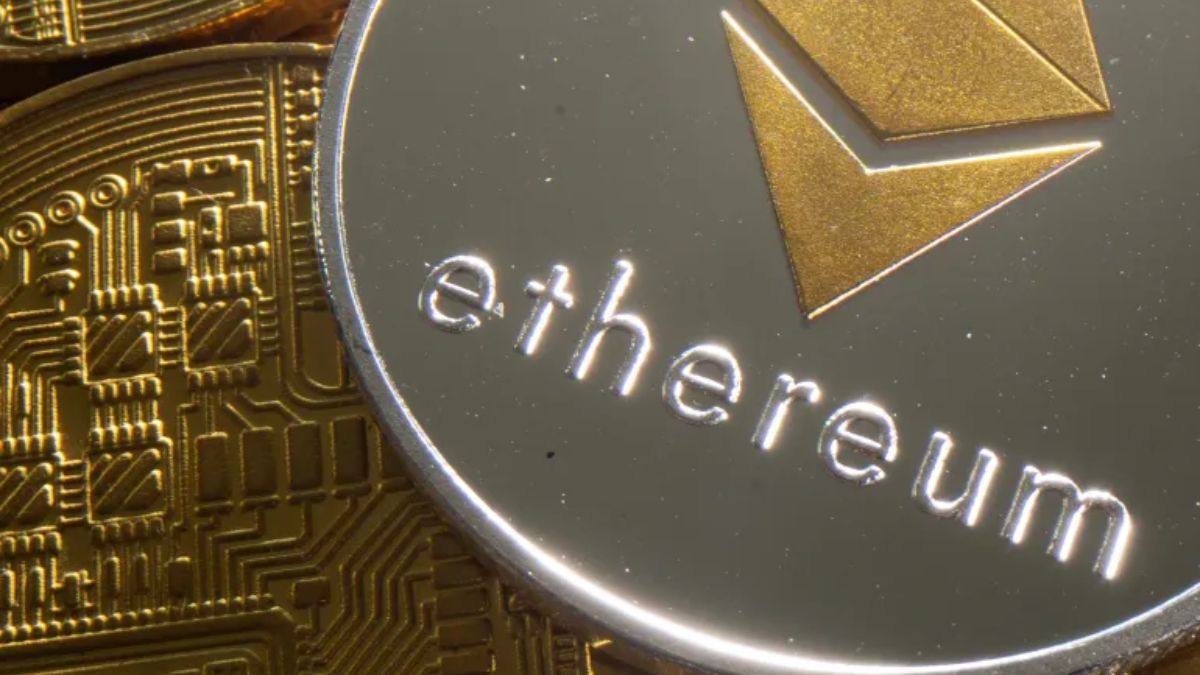
Ethereum (ETH) has begun 2026 with renewed confidence as inflows into Ethereum exchange-traded funds (ETFs) and institutional interest continue to rise. Despite occasional periods of price consolidation, on-chain activity, staking stability, and capital flow patterns suggest that the network is gaining robust traction.
Market analysts argue that traditional Ethereum price prediction models may be underestimating upside potential, as the combination of ETF demand and institutional allocation sets the stage for ETH to test, and possibly surpass, its 2025 highs.
On-chain activity signals network strength
Ethereum recently processed nearly 2.9 million transactions in a single day, establishing a new all-time high. This surge in activity indicates that usage of the Ethereum network is stronger than market prices alone may suggest.
Transaction fees have remained near cycle lows, demonstrating the effectiveness of Ethereum’s recent upgrades and layer-2 scaling solutions. This combination of growing usage and low friction makes Ethereum increasingly attractive to institutional investors seeking efficiency and reliability.
Staking data further reinforces the network’s stability. The validator exit queue has dropped to zero, while entry queues remain long. This trend suggests that validators are confident in the network’s long-term prospects, with no signs of overheating, reducing systemic stress even as activity rises.
Ethereum ETF inflows reinforce bullish sentiment
Analysts tracking Ethereum ETF momentum highlight that institutional allocation is becoming a key driver for ETH valuation. As ETFs absorb available supply, the scarcity effect could amplify price gains. Coupled with rising on-chain activity, these factors strengthen the case for higher valuations in the coming months.
“The network is handling record usage without congestion,” noted one analyst. “If capital rotation accelerates, current price predictions may prove overly conservative.”
Remittix Emerges as a Payment-Focused Alternative
While Ethereum captures value from network activity and ETFs, a new project, Remittix (RTX), is attracting attention for solving real-world crypto payment challenges. Unlike Ethereum, which primarily serves as a settlement and smart contract layer, Remittix focuses on PayFi—converting crypto to fiat for real-time payments and remittances.
RTX allows users to convert over 40 cryptocurrencies into local fiat and send funds directly to bank accounts across 130+ countries, often within 24 hours. This positions it as a practical tool for freelancers, global merchants, and remittance users who prioritize speed, reliability, and cost-efficiency over speculation.
Investors are drawn to Remittix not for hype, but for execution:
-
Full PayFi ecosystem enabling crypto-to-fiat payments and transfers
-
Smart contracts audited by CertiK with a verified team
-
Confirmed centralized exchange listings, including BitMart, with more planned
-
Targeting the $19 trillion global payments market
The project has raised over $28.8 million at $0.1230, selling more than 701.5 million tokens. A 15% USDT referral program pays instantly through the platform dashboard. The Remittix Wallet is live on the Apple App Store, with Android support expected soon. Phase two, launching on February 9, 2026, will enable full crypto-to-fiat functionality.
What does this mean for Ethereum?
As Ethereum benefits from ETFs and institutional flows, projects like Remittix demonstrate how capital can drive adoption beyond speculation. Analysts suggest that investors looking to diversify within crypto should consider both long-term Ethereum exposure and usage-focused platforms that capitalize on day-to-day financial transactions.
The convergence of network adoption, ETF demand, and payment infrastructure innovation may define the next phase of crypto growth in 2026.
