
Final Fantasy 16 has sparked a lot of debate. Some fans love its darker, more mature story, beautiful visuals, and strong voice acting. Others feel disappointed. This is normal for a series as long and varied as Final Fantasy.
Still, there are areas where FF16 falls short. The shift toward fast, character-action combat and away from classic RPG systems makes fights feel repetitive. The Final Fantasy 7 remake shows how engaging this combat could have been. Look outside the franchise, and you’ll find games that do action combat, ARPG mechanics, and mature storytelling even better. NieR: Automata is a perfect example.
Interestingly, both NieR: Automata and Final Fantasy 16 were published by Square Enix. But NieR was made by PlatinumGames, while FF16 came from an internal Square Enix studio.
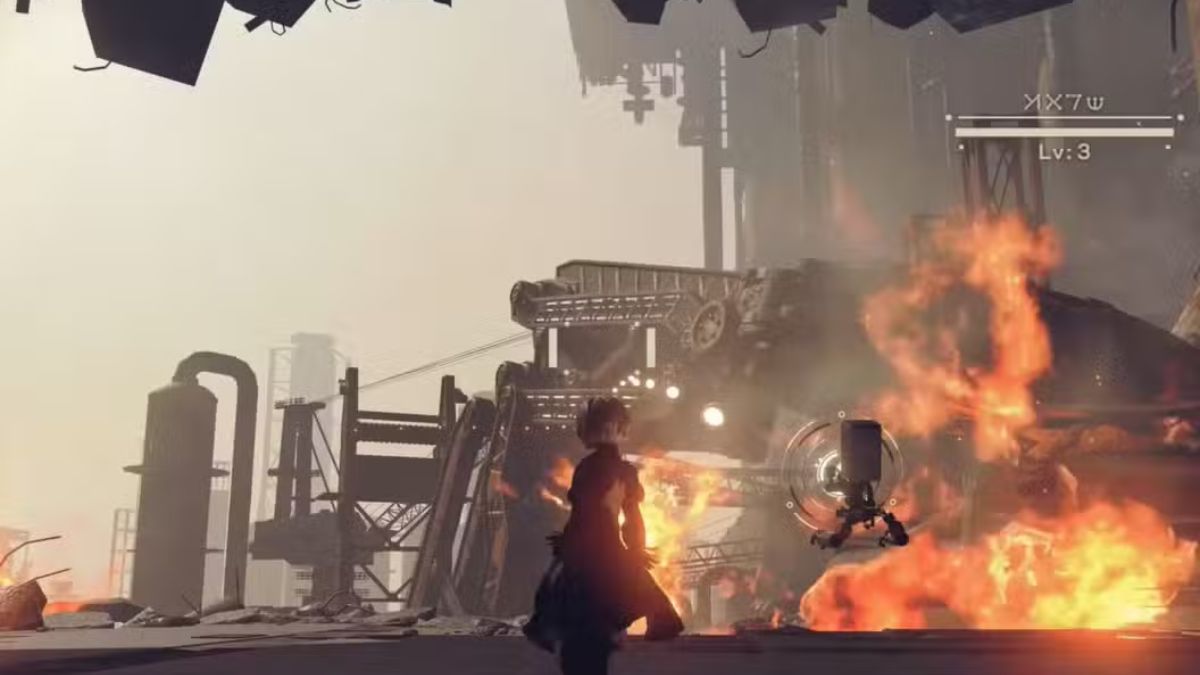
If you enjoyed FF16’s combat, NieR: Automata is worth checking out. FF16 has big boss fights and flashy combos. It borrows inspiration from PlatinumGames’ style, like Bayonetta and Metal Gear Rising. But FF16 doesn’t quite match the depth or intensity of those games. NieR takes similar fast-paced combat and adds layers. It mixes in bullet-hell patterns, side-scrolling moments, and twin-stick shooting. The result is chaos that still feels balanced. FF16, by comparison, can sometimes be handled with simple button-mashing and grinding.
NieR: Automata also nails ARPG conventions better than FF16. Progression, customization, and build-building are key for ARPGs. FF16 keeps these systems simple, with boring skill trees and basic gear. Unlocking new abilities often adds little strategy or depth.
NieR, on the other hand, uses a clever system called Plug-In Chips. These work like perks but are limited by storage space. Some chips give basic boosts, while others reward creative builds or riskier strategies. You can even trade away the HUD to gain more chip space. This system encourages experimentation, clever combinations, and high-risk, high-reward playstyles. It makes progression feel meaningful and flexible.
The story in NieR is also more nuanced than FF16’s. It explores philosophy, ethics, and the human condition in ways few games dare. The endings are complex, characters are flawed, and the world is bold and mature. FF16 sometimes hits these notes, but NieR hits them consistently.
NieR: Automata is not as colorful or mainstream as Final Fantasy 16. But in terms of combat style, progression systems, and mature storytelling, it’s close enough to warrant a comparison. Fans of FF16, or even FF15, will likely find NieR worth playing, even years after its release.
