
Miami Hurricanes fans are once again watching their team compete for a national championship. As the spotlight returns to the program, many fans are looking back at what truly defines Miami football. At the center of it all is the famous “U.”
The symbol is one of the most recognizable in college football. Even people who do not follow Miami closely know what the “U” stands for. Still, not everyone knows where it came from or how it became so powerful.
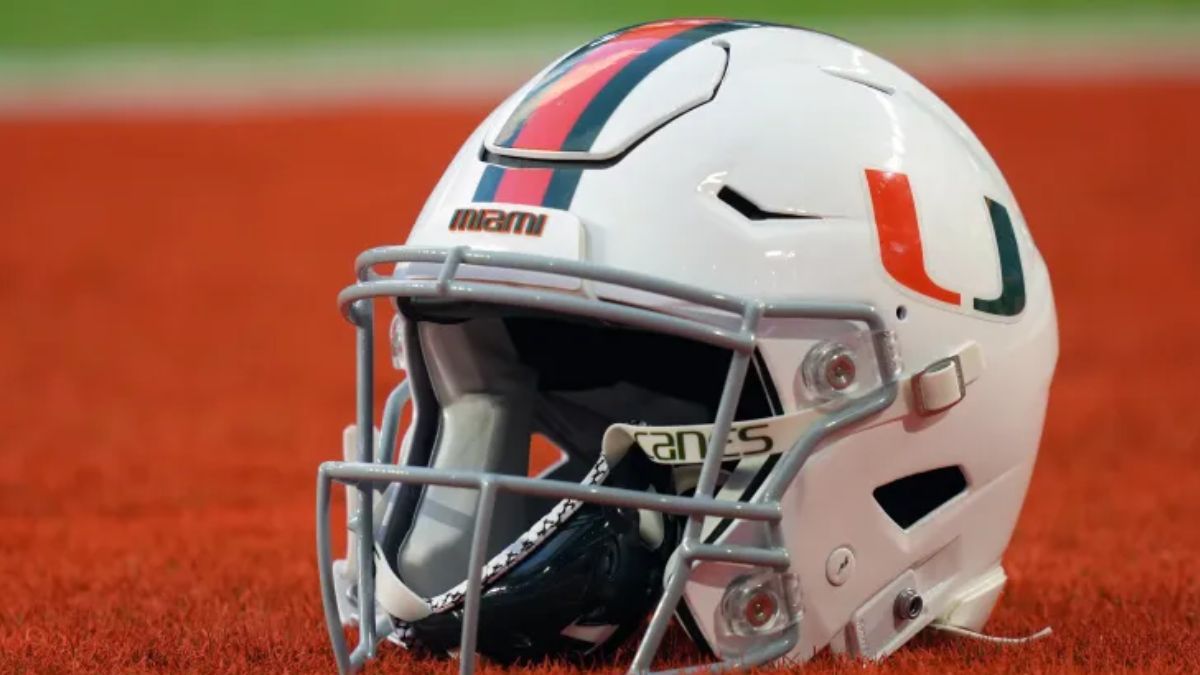
Miami began using the “U” to separate itself from other schools with the same initials. Universities like Michigan and Missouri were also known as UM. Miami wanted something unique. In 1973, the athletic department introduced the split orange and green “U” logo. The design was created by Bill Bodenhamer. Over time, it grew into much more than just a logo.
The “U” quickly became the heart of Miami’s identity. It inspired slogans like “It’s all about the U” and “U Gotta Believe.” Players and fans embraced it as a symbol of pride and confidence.
Miami places the “U” on its helmets for the same reason Texas uses the Longhorn and Michigan uses its iconic stripes. It is instantly recognizable. The logo represents South Florida and the culture around the program. No matter who you root for, the “U” stands alongside the most famous symbols in college football.
The well known hand gesture also plays a big role. Fans and players form the shape of a “U” with their hands as a way to show unity. The gesture began in 1992 and had roots in rivalry. Miami introduced it as a response to Florida State’s Tomahawk Chop and Florida’s Gator Chomp. What started as a rivalry move soon became a permanent part of Miami culture.
The meaning of the “U” changed forever during the 1980s. That era turned Miami into a powerhouse. The Hurricanes did not just win games. They dominated the sport. They produced elite NFL talent and played with a fearless edge. Legends like Ed Reed, Ray Lewis, and Warren Sapp helped define that image.
During those years, the “U” came to represent swagger, confidence, and brotherhood. Miami football became known for playing fast, physical, and unapologetic football. The symbol grew as the wins piled up.
Miami won 3 national championships in the 1980s. The program added 2 more titles in 1991 and 2001. Since then, the Hurricanes have faced a long championship drought. Now, with Miami back in the national title picture, the “U” feels alive again.
Today, the “U” still means brotherhood. It connects past legends with current players and loyal fans. It represents belief, pride, and a program that never forgot who it is. As Miami chases another championship, the “U” once again stands at the center of college football.
