
The United Nations says the world economy is expected to slow down in 2026. Global growth is projected at 2.7%, slightly below the estimated 2.8% in 2025. The UN report, released Thursday, warns that growth will not return to pre-pandemic levels for several years.
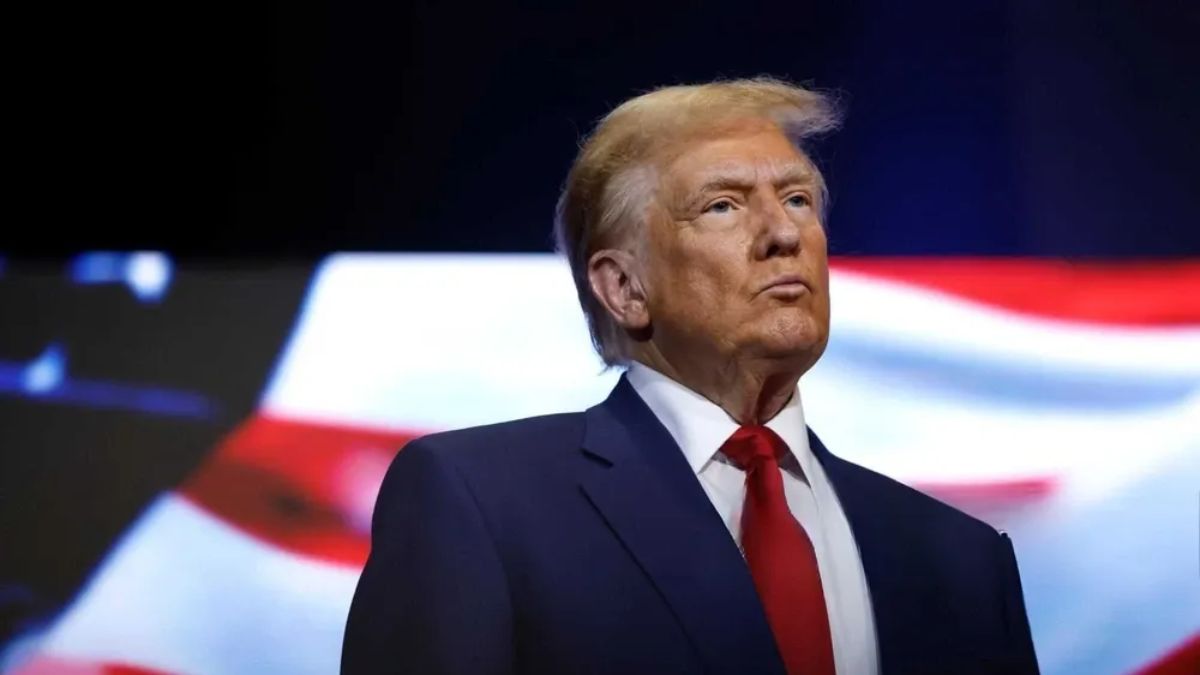
The slowdown is linked to President Trump’s tariffs, which have had a bigger effect than expected, and ongoing geopolitical uncertainties. The UN expects growth to pick up to 2.9% in 2027, but this is still below the pre-pandemic average of 3.2%.
While the global economy has shown resilience, risks remain high. Trade tensions, government debt pressures, and persistent uncertainty could keep growth low without stronger international policy coordination.
In the United States and parts of Asia, domestic demand and policy easing are supporting the economy. Europe, however, continues to experience weak growth. Many developing countries face limits due to high debt and climate-related shocks.
Global trade performed better than expected in 2025, helped by early shipments ahead of tariffs and strong services exports. But trade growth is expected to slow in 2026 as temporary factors fade and trade barriers remain.
Headline inflation is expected to ease slightly to 3.1% in 2026 from 3.4% in 2025. Prices are still high, affecting low-income households the most, especially for food, energy, and housing.
Financial conditions have improved with lower interest rates and better market sentiment, which helped revive capital flows. Still, high asset prices, especially in AI sectors, and elevated borrowing costs pose ongoing risks.
The UN urges countries to coordinate economic policies, use fiscal measures strategically, strengthen multilateral cooperation, and maintain an open, rules-based trading system to support growth and stability.
