
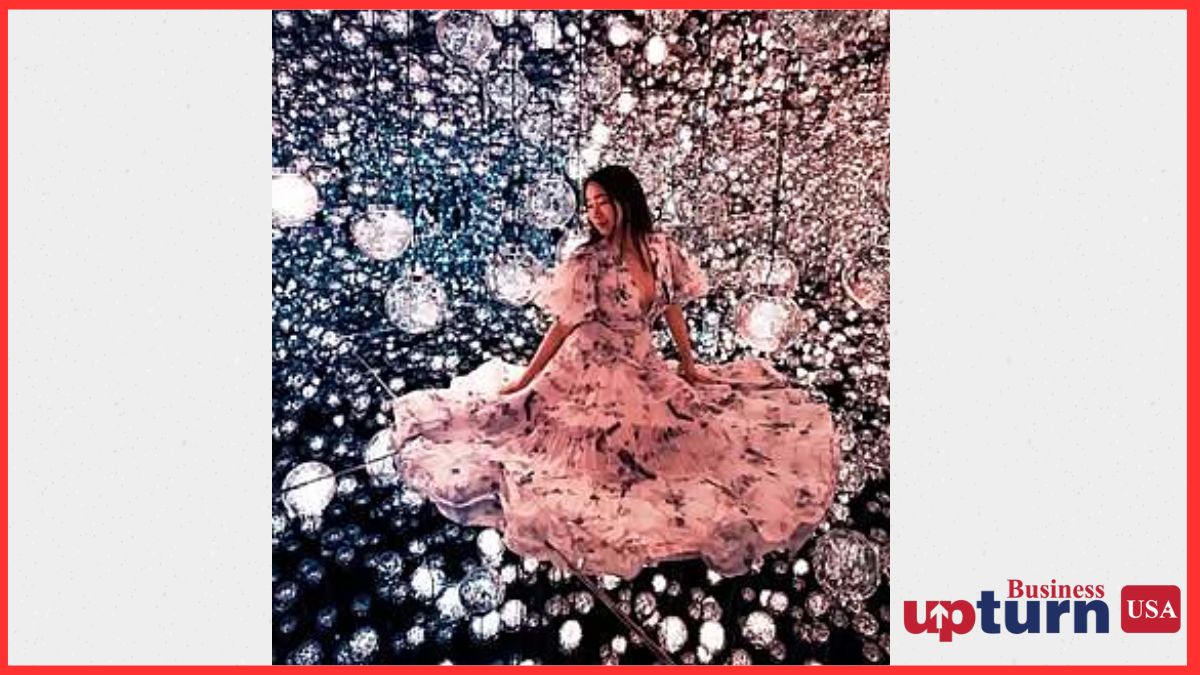
In the modern creator economy, fashion influencers are no longer just style tastemakers—they are full-scale digital entrepreneurs. Jasmine Zhang exemplifies this evolution through a diversified, platform-driven business model that converts visual storytelling into measurable revenue. Operating within the U.S. creator economy, her monetization strategy is designed for scalability, brand safety, and long-term commercial relevance rather than short-lived trends.
Core Income Pillars Powering Jasmine Zhang’s Business Model
Jasmine Zhang’s income ecosystem is built around several interconnected revenue streams that reinforce one another. Each channel is structured to maximize audience trust while meeting the commercial expectations of U.S.-based brands.
Brand Partnerships and Sponsored Campaigns
Sponsored collaborations form one of the most consistent revenue sources in Jasmine Zhang’s business. She partners with fashion, beauty, and lifestyle brands that align with her visual identity and audience demographics. These partnerships typically include Instagram posts, short-form videos, and campaign-specific storytelling designed to drive awareness and conversions.
From a U.S. business perspective, brands value creators like Jasmine Zhang because of her niche positioning and content clarity. Sponsored pricing is influenced by engagement metrics, campaign deliverables, exclusivity clauses, and usage rights—factors that make these deals more structured and premium than casual influencer posts.
Affiliate Marketing and Performance-Based Earnings
Affiliate marketing represents a conversion-focused revenue stream within Jasmine Zhang’s business model. By integrating trackable links into outfit showcases, shopping recommendations, and seasonal style edits, she earns commission-based income whenever followers make purchases.
This performance-driven approach is particularly attractive in the U.S. retail ecosystem, where affiliate platforms such as LikeToKnowIt and Amazon storefronts are widely adopted. The model allows Jasmine Zhang to monetize evergreen content while providing transparent value to both brands and consumers.
Platform Monetization and Content Licensing
Social Media Platform Revenue
Beyond brand deals, Jasmine Zhang benefits from native platform monetization features. Short-form video platforms and social apps increasingly offer creator incentive programs, ad-revenue sharing, and bonus payouts tied to reach and engagement. While these earnings fluctuate, they add incremental income that compounds over time.
Content Usage and Licensing Fees
Another professional-grade revenue stream comes from content licensing. Brands may pay to reuse Jasmine Zhang’s high-quality fashion visuals across paid ads, websites, or email campaigns. These licensing agreements are often negotiated separately from sponsorship fees, creating additional upside per collaboration.
Digital Products and Long-Term Monetization Potential
Style Guides and Curated Collections
Many fashion creators expand into digital products, and Jasmine Zhang’s business model supports this direction. Curated lookbooks, downloadable style guides, or brand-edited collections allow her to monetize expertise directly, independent of algorithm changes or platform volatility.
Audience Trust as a Revenue Multiplier
At the core of Jasmine Zhang’s monetization strategy is audience trust. Her business approach prioritizes consistency, aesthetic quality, and brand alignment, which strengthens long-term earning power. In the U.S. influencer economy, this trust translates into higher conversion rates, repeat partnerships, and sustainable revenue growth.
The Bigger Picture: Jasmine Zhang as a Digital Fashion Entrepreneur
Jasmine Zhang’s business model reflects the maturity of today’s influencer economy. By combining sponsorships, affiliate income, platform monetization, and licensing opportunities, she operates less like a content creator and more like a media brand. This diversified structure positions her for long-term success in the competitive U.S. fashion and lifestyle market, proving that modern influence is as much about strategy as it is about style.
