
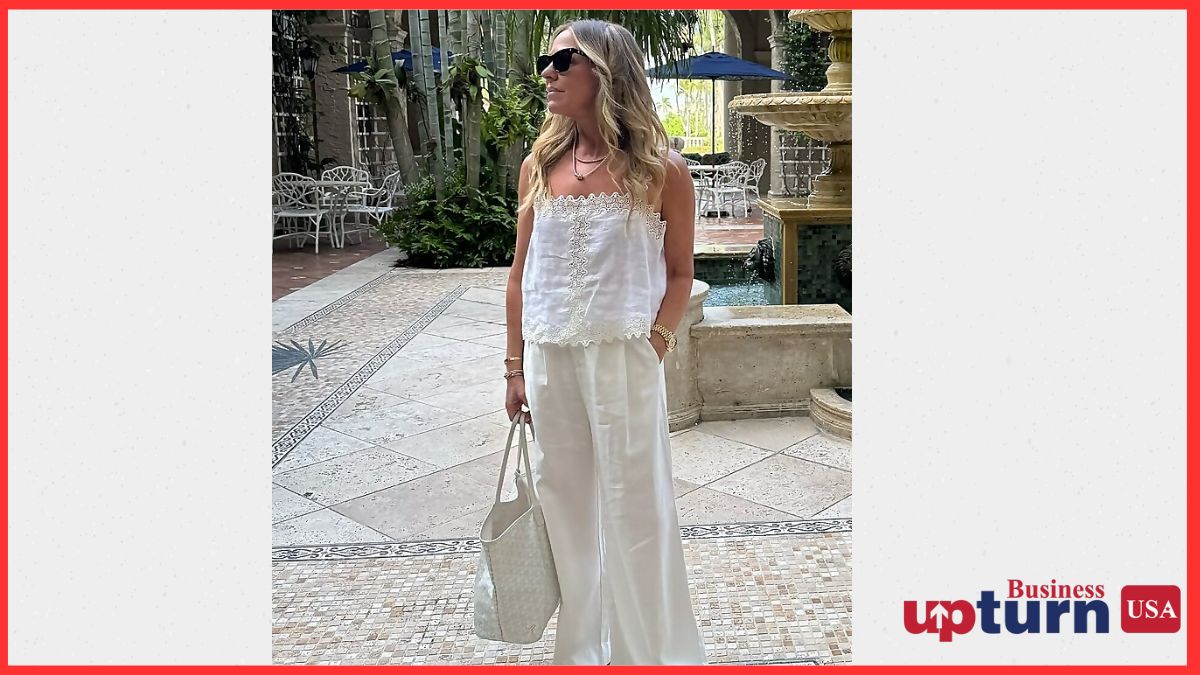
Fashion influencer Kristie has transformed her social media presence into a robust business empire. Her income is not derived from a single source but through multiple monetization strategies that capitalize on her influence and fashion expertise. As a U.S.-based influencer, Kristie leverages both digital and real-world opportunities to generate revenue.
Sponsored posts form a major part of her income. Brands in the fashion, beauty, and lifestyle sectors pay her to showcase products to her followers. These collaborations are highly lucrative, often negotiated based on her audience size, engagement rates, and the exclusivity of the campaign. Kristie’s consistent aesthetic and content quality make her an attractive partner for premium brands aiming to reach a targeted demographic.
Affiliate Marketing and E-Commerce Partnerships
Kristie also employs affiliate marketing to boost her earnings. By sharing curated fashion pieces through affiliate links, she earns a commission on every purchase made by her followers. This approach not only increases her income passively but also establishes her as a trusted source for fashion recommendations. Kristie often integrates these links into social media posts, blog articles, and even video content, making the shopping experience seamless for her audience.
In addition to affiliate marketing, Kristie collaborates directly with online retailers. Exclusive capsule collections and limited-time partnerships allow her to earn upfront fees and a share of the sales. Retail collaborations are particularly profitable in the U.S. market, where influencer-driven purchases have a substantial impact on consumer behavior.
Diversifying Income with Personal Branding
Merchandise and personal brand lines are another cornerstone of Kristie’s business model. By designing her own fashion or lifestyle products, she can control the production, marketing, and pricing, thereby maximizing profit margins. This direct-to-consumer approach also strengthens her brand identity and deepens follower loyalty.
Kristie further diversifies her revenue through paid content such as style guides, online courses, or subscription-based newsletters. These offerings capitalize on her expertise while creating additional recurring income streams. With platforms increasingly prioritizing creator monetization, Kristie benefits from new revenue channels like exclusive fan memberships and sponsored virtual events.
Strategic Use of Social Media Analytics
Behind her income strategies lies data-driven decision-making. Kristie monitors engagement metrics, audience demographics, and content performance to optimize campaigns and partnerships. This analytical approach ensures her collaborations and product recommendations resonate with her followers, enhancing both her credibility and earning potential.
Conclusion
Kristie’s fashion influence is more than just an online persona; it is a carefully structured business. By combining sponsored content, affiliate marketing, retail collaborations, merchandise, and paid digital offerings, she has built a diversified and resilient revenue model. Her data-driven strategy, combined with a keen understanding of U.S. consumer trends, ensures that her business continues to thrive in the competitive world of fashion influencing.
