
Sleep tourism is changing the way people travel, and in 2025 you’ll notice the trend showing up in more places than ever before. People are no longer just looking for adventure or sightseeing. They want real rest, deep sleep, and time away from the stress that fills everyday life. This shift is showing up in the way hotels, resorts, and even cities design experiences for travelers.
One trend you’ll see everywhere in 2025 is travel packages built entirely around sleep. Instead of tours and activities, these getaways offer quiet nights, calming routines, and schedules that help reset your body clock. Many places are now hiring sleep experts, meditation coaches, and wellness guides to help guests wind down and build healthier sleep habits while on vacation.
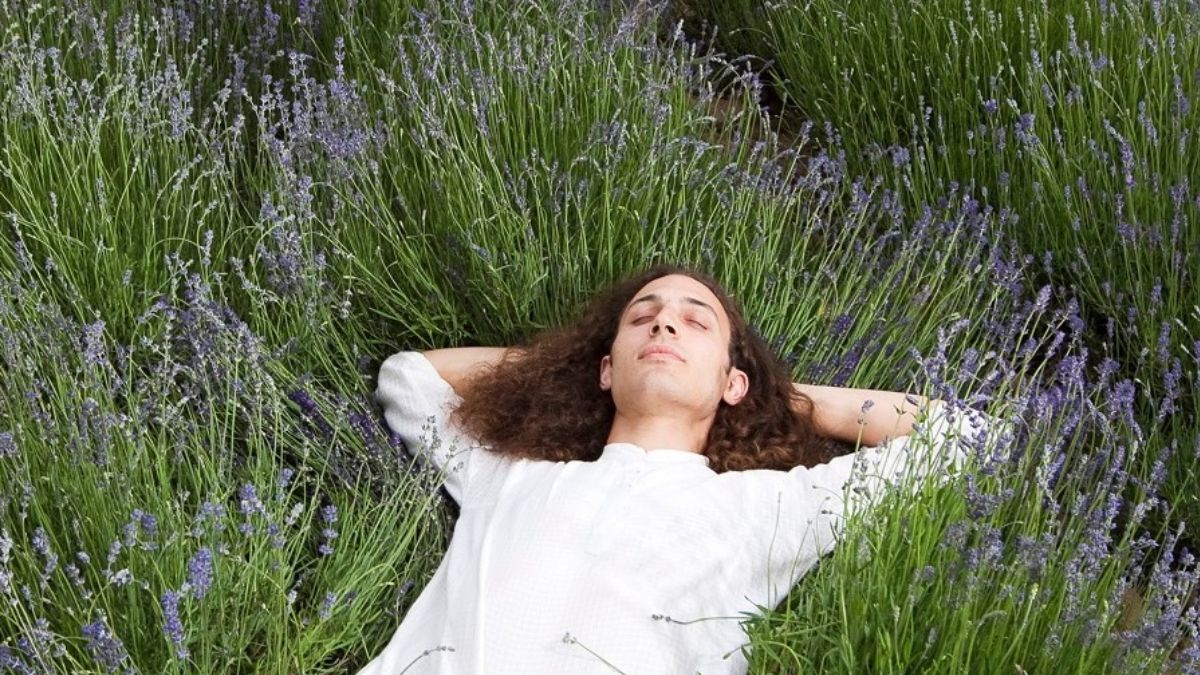
Another thing becoming more common is the focus on natural environments. Forests, mountains, lakesides, and beaches are popular because they are quiet and peaceful. People find that being surrounded by nature makes it easier to unplug from screens and daily pressures, and this helps the mind relax and fall asleep more easily. Resorts and hotels in these areas are being designed to blend with nature so guests feel connected to calm surroundings from the moment they arrive.
Technology is also playing a role in sleep tourism. Many hotels are offering smart rooms that adjust lighting, temperature, and sound to create the best sleep environment possible. Some places even provide wearable sleep trackers or personalized sleep reports so travelers can understand their sleep patterns and improve them over time.
You’ll also see more group sleep experiences becoming popular. These include things like guided sleep meditations at sunset, communal quiet hours, and evening sound baths. These shared experiences make sleep itself feel like the purpose of the trip, rather than just a part of the night.
Wellness menus at hotels are changing too, with food and drink options that support better sleep. Herbal teas, light dinners, and menus with ingredients known to calm the body are becoming standard in sleep-focused destinations.
Finally, people are starting to plan longer stays when they travel for sleep. Instead of a quick weekend getaway, travelers are booking week‑long or longer retreats so their bodies have time to adjust and reset. This helps them return home feeling genuinely refreshed, not just temporarily relaxed.
In 2025, sleep tourism is no longer a niche idea. It is becoming a mainstream way to travel, offering real solutions for people who are tired, stressed, or just looking for deeper rest. As more destinations embrace the trend, the idea of traveling to sleep well is something you’ll hear about everywhere.
