
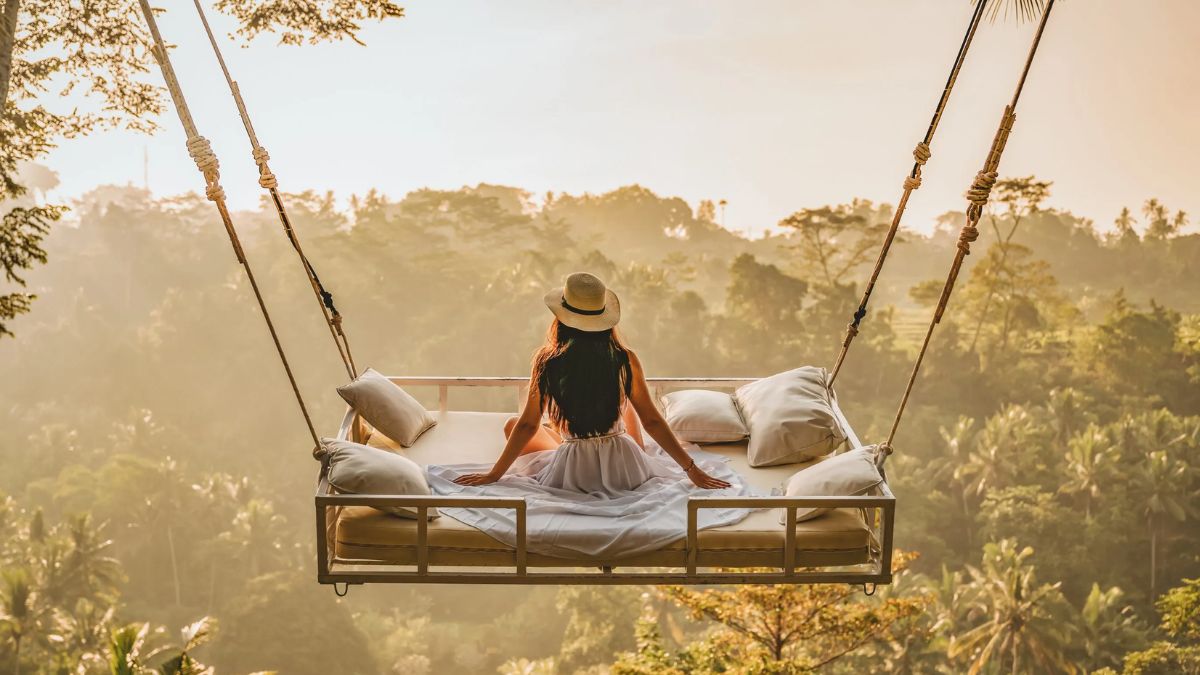
Sleep tourism is quickly becoming one of the most talked-about travel trends as more people choose trips focused on rest rather than rush. Instead of busy sightseeing schedules and packed days, this type of travel is designed to help people sleep better, relax deeply, and return home feeling refreshed. In a world where stress, screens, and constant work have disrupted natural sleep patterns, travel centered on rest feels more necessary than ever.
The rise of sleep tourism is closely linked to modern lifestyle problems. Long working hours, late nights, and constant digital exposure have made quality sleep difficult for many people. Traditional vacations often add to this exhaustion with early flights, crowded places, and tight itineraries. Sleep-focused travel offers the opposite experience by creating an environment where slowing down is encouraged and rest becomes the main purpose of the trip.
Hotels and resorts catering to sleep tourism focus heavily on comfort and calm. Quiet locations, soundproof rooms, high-quality mattresses, soft lighting, and peaceful interiors help the body relax naturally. Some places also design daily routines that support healthy sleep cycles, allowing guests to fall asleep easily and wake up feeling rested. The goal is not luxury for show, but comfort that truly supports deep rest.
Another reason sleep tourism is growing is increased awareness around mental and physical wellness. People now understand how important sleep is for mood, immunity, focus, and overall health. Traveling with the intention to improve sleep feels like an act of self-care rather than an escape. Even a short stay focused on rest can help reset sleep habits and reduce burnout.
Social media and wellness culture have also played a role in popularizing this trend. Calm spaces, slow mornings, and peaceful views resonate with people who are tired of fast-paced content and busy lifestyles. Seeing others choose rest over constant activity has helped normalize the idea that vacations do not have to be exhausting to be meaningful.
The rise of sleep tourism reflects a shift in how people define a good trip. Instead of measuring travel by how much they see or do, travelers are choosing experiences that help them feel better. As stress continues to rise in everyday life, travel designed for better rest is becoming a powerful and appealing way to reconnect with balance, health, and calm.
