
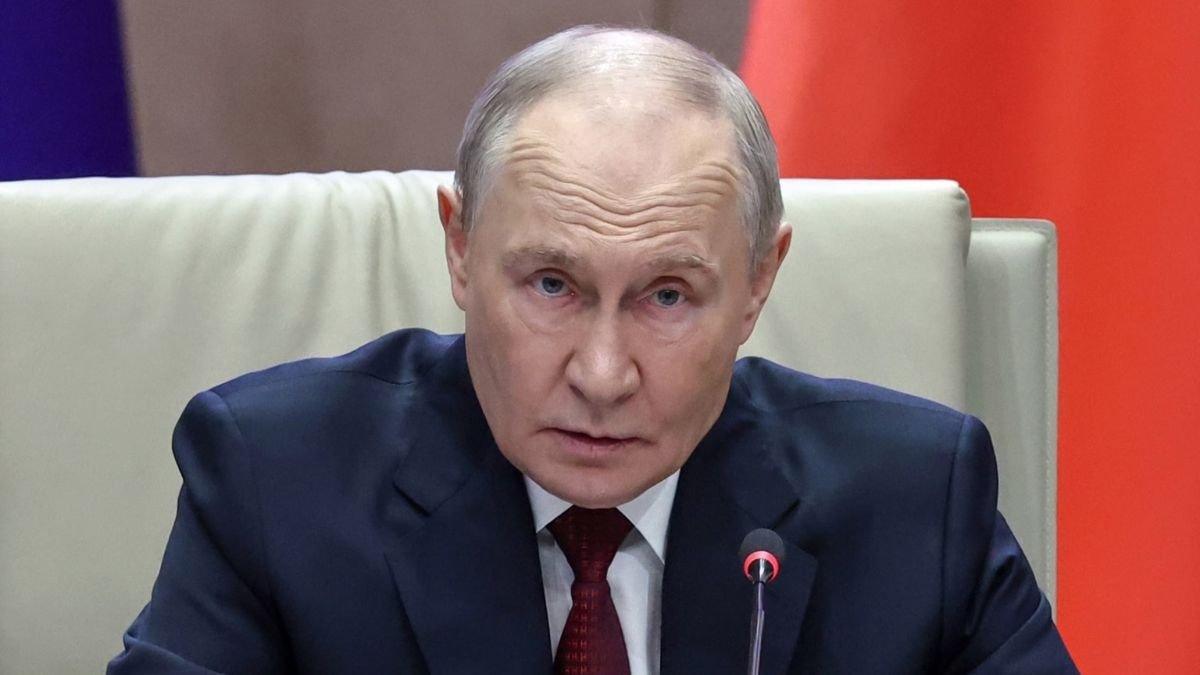
Russian President Vladimir Putin intensified his warnings on Tuesday, declaring that Russia is prepared to confront European powers militarily if tensions escalate, even as he claimed that Moscow does not seek such a war. The statement comes amid growing friction over the ongoing conflict in Ukraine and stalled peace negotiations.
During a high-profile address, Putin sharply criticised European nations, accusing them of making demands on Ukraine that he described as “absolutely unacceptable.” He said that if Europe chooses confrontation over dialogue, Russia is fully ready. “If Europe wants to fight war, we are ready now,” Putin said, framing the situation as a direct challenge to the West.
Europe accused of blocking peace efforts
Putin’s remarks also focused on the broader diplomatic landscape. He suggested that European powers have “detached themselves” from meaningful peace negotiations, obstructing efforts by the U.S. administration and former President Donald Trump to mediate a settlement. According to the Russian leader, Europe is not acting as a neutral party but is instead aligned with war. “Europeans do not have a peaceful agenda, they are on the side of war,” he asserted, highlighting the growing divide between Moscow and European capitals over Ukraine.
The statement signals a hardening of Russia’s stance and is likely to fuel tensions within NATO, where member states have repeatedly condemned Russian aggression in Ukraine. Analysts note that this rhetoric may serve a dual purpose: strengthening domestic support for the government while attempting to pressure European leaders into concessions.
Putin’s focus on strategic locations in Ukraine
Putin also referenced the town of Pokrovsk, describing it as “a great base for fulfilling goals” and claiming it is now “fully in Russia’s army control.” Ukrainian officials, however, have strongly rejected these claims, maintaining that the town remains contested. This back-and-forth highlights the ongoing fog of war and the difficulty of verifying claims on the ground, which has been a persistent challenge for independent observers.
Implications for global security
Security experts warn that Putin’s language could exacerbate instability in Europe and beyond. By framing Europe as the aggressor, Russia may be laying the groundwork to justify potential military moves if diplomatic talks continue to stall. The comments could also complicate international mediation efforts, as Western governments may feel pressured to respond with increased sanctions or military aid to Ukraine.
European leaders are closely monitoring the situation, with analysts predicting a mix of heightened defense readiness and renewed calls for diplomatic engagement. Meanwhile, global markets could react to increased geopolitical risk, particularly in sectors linked to energy, commodities, and defense.
Public and Media Reactions to Putin’s speech
The speech has sparked a wide range of responses online. Russian state media amplified Putin’s statements as a display of strength, while independent analysts and Western media outlets warned that the rhetoric may further escalate tensions without providing a clear path to resolution. Social media users across Europe and the U.S. expressed alarm at the prospect of direct confrontation, while others criticized European governments for their perceived inability to advance peace negotiations.
What this means
Putin’s address underscores the fragility of the current diplomatic situation in Eastern Europe. While Moscow insists it does not seek war, the readiness he proclaimed signals that Russia is willing to escalate if it feels threatened or if negotiations break down. Experts suggest that the coming weeks will be critical in determining whether diplomacy can prevent further escalation or if Europe and Russia enter a new phase of heightened conflict.
ALSO READ – Spotify Wrapped 2025: Release date, top charters, how can you view yours and every other detail you need!
