
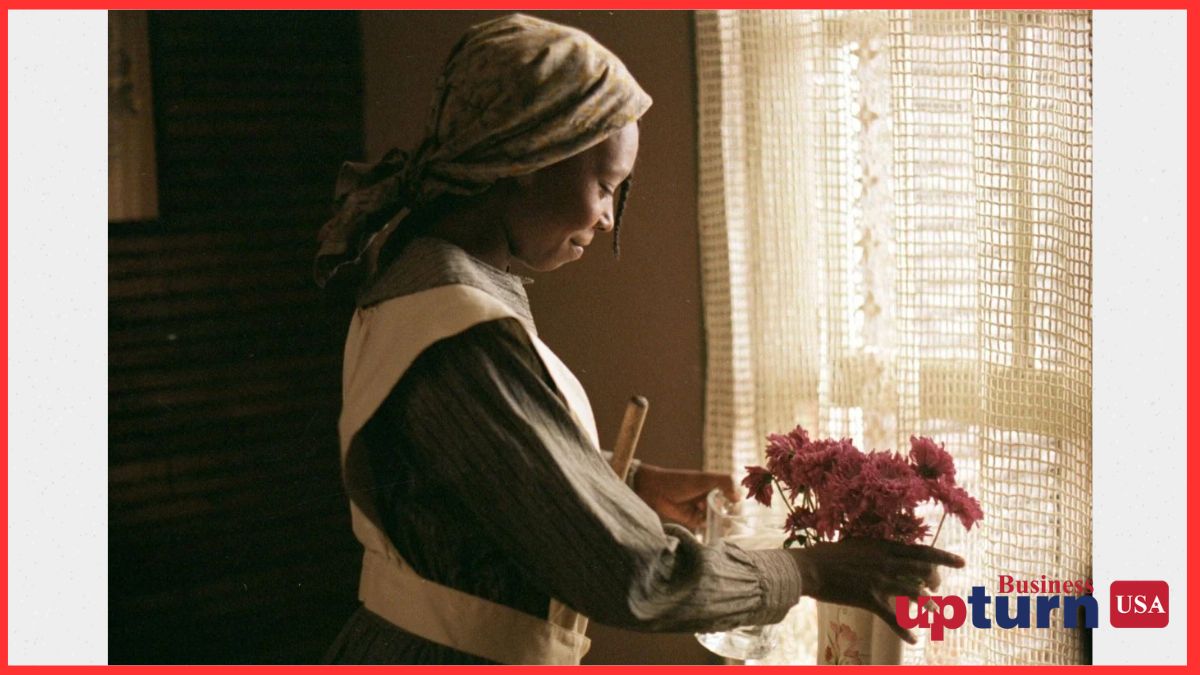
Four decades after The Color Purple first arrived in theaters, the film continues to resonate far beyond nostalgia, reopening meaningful conversations about representation, authorship, and identity in American cinema. Released on December 18, 1985, the movie remains one of the most discussed literary adaptations in Hollywood history, not only for its emotional depth but also for the questions it raises about who gets to tell Black stories on screen.
Based on Alice Walker’s Pulitzer Prize–winning 1982 novel, The Color Purple brought the life of Celie, a Black woman navigating abuse, trauma, and eventual self-discovery in rural Georgia, to a global audience. With performances by Whoopi Goldberg, Danny Glover, Margaret Avery, and Oprah Winfrey, the film left a lasting cultural imprint while earning 11 Academy Award nominations. Yet, even today, its legacy is not without complexity.
Why ‘The Color Purple’ Still Matters in Conversations About Black Films
The film’s continued relevance lies in its ability to spark debate across generations. While many celebrate it as a landmark in Black storytelling, others remain conflicted about its place within the canon of Black cinema. Much of this discussion centers on the fact that the film was directed by Steven Spielberg, a celebrated filmmaker whose background differs significantly from the lived experiences depicted in the story.
Despite this, the movie undeniably amplified Black voices at a time when Hollywood offered few such opportunities. Whoopi Goldberg’s performance introduced audiences to a nuanced portrayal of Black womanhood, while Oprah Winfrey’s role marked the beginning of a historic career in media. The emotional honesty of the characters continues to resonate, especially for viewers discovering the film for the first time.
The film’s accolades also played a role in expanding mainstream awareness of stories rooted in Black literature. Although it did not secure any Oscar wins, its nominations alone marked a significant moment for representation during the 1980s.
